A detailed genomic investigation of a Denver Zoo outbreak shows how SARS-CoV-2 can rapidly diversify and adapt after crossing species, offering a rare real-world view of viral evolution beyond humans.
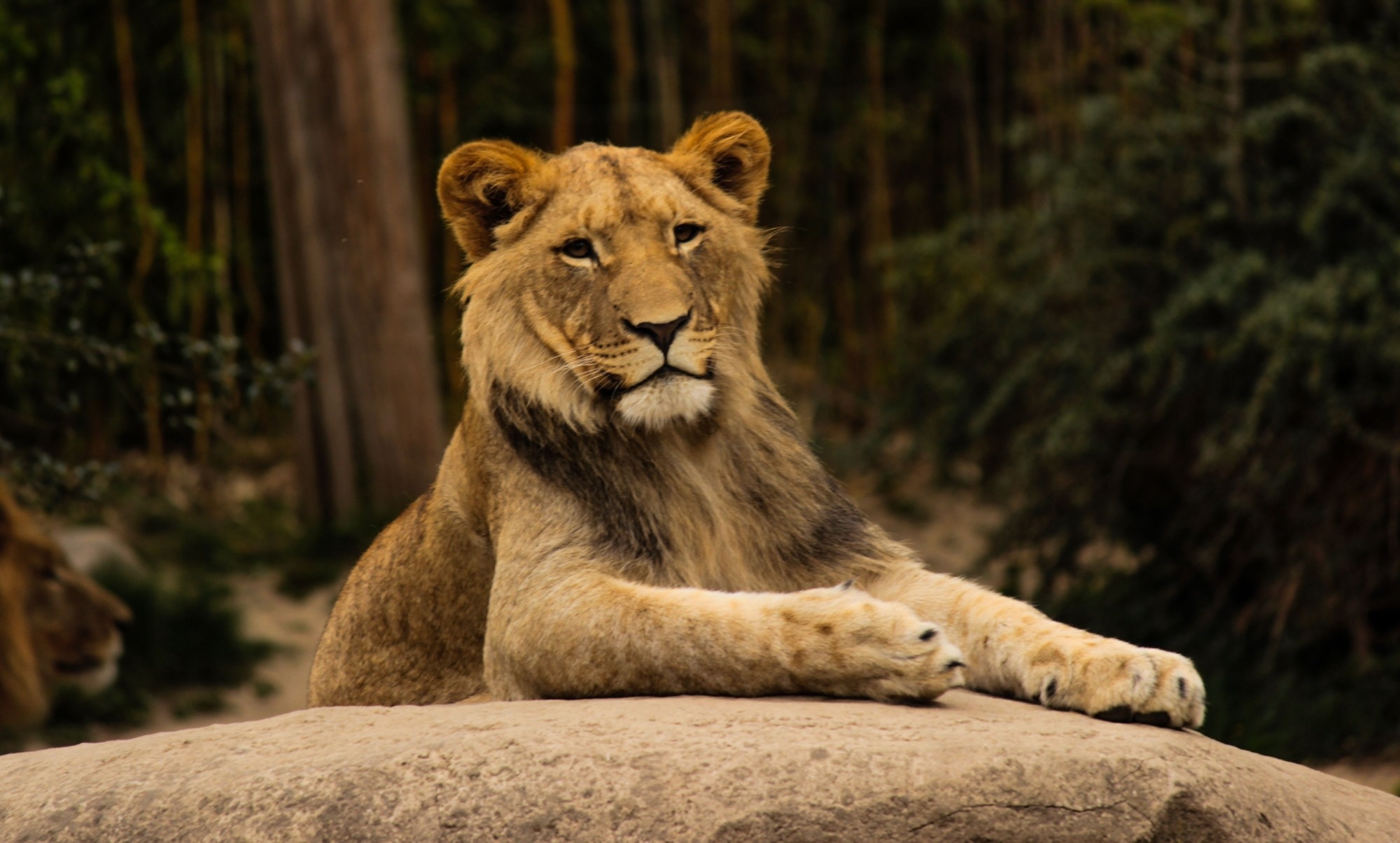 Study: SARS-CoV-2 within-host population expansion, diversification and adaptation in zoo tigers, lions and hyenas. Image credit: Wirestock Creators/Shutterstock.com
A new study published in Nature Communications reveals rapid evolution and adaptation of severe acute respiratory syndrome coronavirus 2 (SARS-CoV-2) in zoo tigers, lions, and hyenas that are in daily contact with humans.
How animal infections shape SARS-CoV-2 evolution and risk
The rapid evolution of SARS-CoV-2 and the emergence of new variants have substantially shaped public awareness about infectious diseases since the onset of the coronavirus disease 2019 (COVID-19) pandemic.
Besides humans, SARS-CoV-2 infects a wide range of domestic and wild animals, and documented cases show that the virus can, in rare instances, transmit from an animal host back to humans. However, the factors driving the evolution and transmission dynamics of SARS-CoV-2 in animals, as well as the origins of novel viral variants that infect both humans and animals, remain largely unknown.
The selection of beneficial mutations that increase viral fitness is the key determinant of viral evolution within the host species. Viral populations can experience unique and strong selective pressures following transmission from one host species to another. These spillover events may accelerate the emergence of viral variants through the selection of genetic mutations that enhance virus fitness within the new host.
To explore the impact of host shift on viral evolution, researchers from Colorado State University and their collaborators at the Denver Zoo Conservation Alliance, USA, investigated the evolution and host-specific adaptation of SARS-CoV-2 in tigers, African lions, and spotted hyenas during an outbreak at Denver Zoo in 2021.
Genomic tracking reveals rapid adaptation after zoo spillover
The researchers collected nasal swab samples from two tigers, eleven lions, and three hyenas, isolated viral RNA from the samples, and conducted Next Generation Sequencing (NGS) to identify the SARS-CoV-2 lineage, within-host variation, and genomic signatures of selection.
The findings revealed that the outbreak at the Denver Zoo was likely initiated by a single spillover of a rare Delta sublineage, which was most consistent with transmission from humans (animal caregivers) to tigers, then onward to lions and hyenas.
A rapid expansion and diversification of viral populations was observed across animal hosts. The researchers also detected genomic signatures of both negative selection (removal of harmful mutations) and positive selection (selection of advantageous mutations) across the virus genome, along with four candidate species-specific adaptive mutations in lions and hyenas.
Although no concerning SARS-CoV-2 variants were detected in infected animals, uniquely strong signatures of positive selection were detected in the nucleocapsid gene and in samples from hyenas, highlighting the combined impacts of mutation and selection following cross-species viral transmission.
Four species-specific mutations were detected in the study, including A254V in the nucleocapsid gene in lions and hyenas, and E1724D in the open reading frame 1-alpha, T274I in the spike protein gene, and P326L in the nucleocapsid gene in hyenas. These mutations have rarely been detected in humans and are not associated with any particular variant lineage.
Notably, the study found that although the outbreak at the Denver Zoo occurred during one of the peaks of the COVID-19 pandemic, the rare Delta lineage that caused the outbreak was associated with less than 1 % of human infections in Colorado at that time.
The rarity of this lineage among humans further supports the idea that the zoo outbreak was initiated by a single spillover event, most probably from an infected human. However, there remains a possibility of multiple independent spillovers from humans into animals, or viral transmission among peridomestic animals at the zoo.
The study found strongest genomic signatures of positive selection in the nucleocapsid gene of SARS-CoV-2, which encodes the RNA-binding nucleocapsid protein responsible for packaging of the viral genome.
Mutations in this gene have been previously detected in SARS-CoV-2 variants of concern that infect humans. These mutations have been associated with enhanced viral replication of fitness in experimental and epidemiological studies, suggesting that changes in this gene may influence viral survival and transmissibility in the host environment.
Another notable mutation detected in the study was hyena-specific T274I mutation in the spike gene. The mutation may represent adaptation to the hyena-specific viral entry receptor. Structural and immunological analyses from human studies suggest that substitutions at this site could also contribute to immune escape. However, the functional consequence of this mutation in hyenas remains to be determined.
The viral populations detected in the study exhibited rapid expansion and diversification over time. It is well known in the literature that the strength of selection increases with the expansion of a viral population.
Zoo outbreak offers real-world insight into viral evolution
Overall, the viral populations isolated from the infected animals exhibited an approximately even distribution of both positive and negative selection signatures, except for those isolated from hyenas, which showed uniquely strong positive selection.
The researchers stated that this difference could be related to the sample collection timeline, as hyena samples were collected later in the outbreak, and thus may have been collected later in their course of infection compared to samples from lions and tigers. These findings highlight the possibility of an increased SARS-CoV-2 evolutionary rate in hyenas.
Overall, the study findings provide a valuable insight into the mechanisms underlying virus within-host evolution following cross-species transmission.
Download your PDF copy now!
 Novel norovirus vaccine approach may be adaptable for other RNA viruses