A controlled crossover trial finds that short-term consumption of unprocessed beef is on par with poultry for glucose control, β-cell function, and cardiometabolic markers in people with prediabetes.
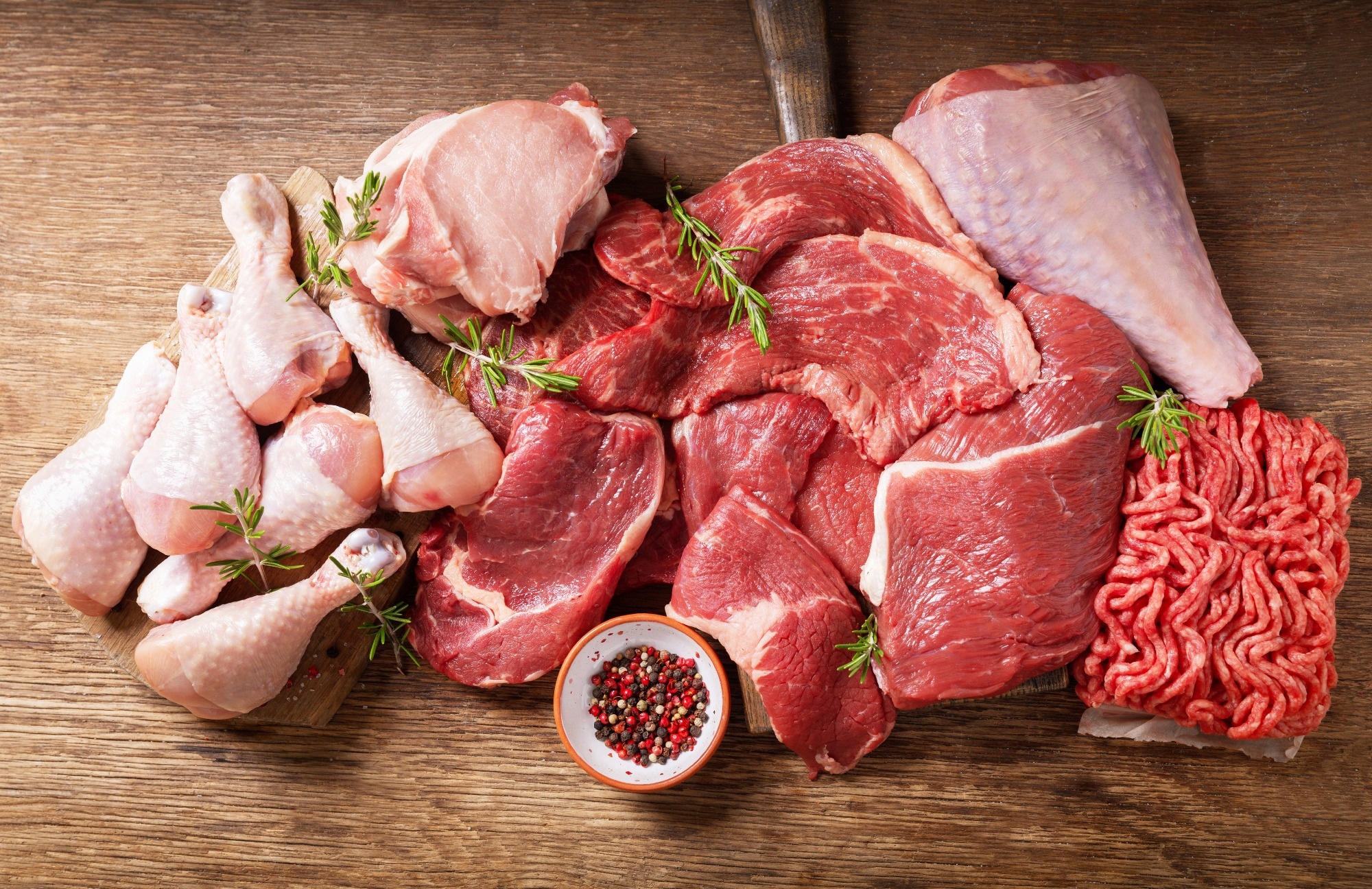 Study: Effects of Diets Containing Beef Compared with Poultry on Pancreatic β-Cell Function and Other Cardiometabolic Health Indicators in Males and Females with Prediabetes: A Randomized, Crossover Trial. Image credit: Nitr/Shutterstock.com
In a recent study published in Current Developments in Nutrition, researchers examined whether consuming unprocessed beef affects metabolic outcomes in prediabetic adults. Comparing beef intake with poultry intake over 28 days, they found no evidence of differences in blood lipids, inflammatory biomarkers, glucoregulatory hormones, measures of glucose regulation, and pancreatic β-cell function.
Observational red meat links contrast with trial evidence
Observational studies have frequently linked higher red meat consumption with an increased risk of type 2 diabetes, while poultry intake has shown neutral or inverse associations. However, randomized controlled trials have generally not found evidence that red meat harms glycemic control, insulin sensitivity, or glycated hemoglobin.
This discrepancy suggests that observed associations may reflect residual confounding from lifestyle and dietary patterns rather than a causal effect of red meat itself. Type 2 diabetes develops through a combination of insulin resistance and progressive pancreatic β-cell dysfunction, yet relatively few intervention studies have directly examined how red meat intake influences β-cell function.
β-cell activity is regulated not only by glucose levels but also by glucoregulatory hormones and inflammatory processes, which may, in turn, be influenced by dietary protein sources. Existing studies are limited by methodological differences, limited statistical power to detect small effects, and confounding dietary substitutions.
Randomized crossover trial compares beef and poultry intake
Researchers compared the effects of poultry and beef intake under controlled conditions on pancreatic β-cell function and related metabolic outcomes in prediabetic adults.
They conducted a randomized, crossover design in accordance with established guidelines and ethical standards, with institutional review board approval and written informed consent from all participants. Adults aged 18–74 years with overweight or obesity and prediabetes were eligible.
Key exclusion criteria included diagnosed diabetes, major chronic disease, recent weight change, use of medications affecting metabolism, restrictive diets, or pregnancy. Participants were randomly assigned to consume either beef- or poultry-based entrées for 28 days, followed by a 28-day washout period and crossover to the alternate condition. Due to the nature of the intervention, blinding was not feasible.
Participants maintained their usual diet and lifestyle throughout the study, except for avoiding non-study meat, poultry, seafood, and eggs during treatment periods. Two standardized study entrées were provided per day, each containing approximately 3–3.5 ounces of cooked beef or poultry. Adherence was assessed through returned entrées and three-day diet records.
The primary outcome was pancreatic β-cell function, assessed as the ratio of the incremental area under the curve (iAUC) for C-peptide to glucose during a mixed meal tolerance test (MMTT).
Other outcomes included postprandial and fasting glucose, glucagon, C-peptide, insulin, glucagon-like peptide-1 (GLP-1), gastric inhibitory polypeptide (GIP), insulin sensitivity indices, lipoprotein lipids, and inflammatory biomarkers. Blood samples were collected at baseline and at the end of each intervention period.
Statistical analyses used repeated-measures analysis of covariance (ANCOVA) with baseline values as covariates. Log transformations were applied where necessary, and results were reported as least squares geometric means.
Beef and poultry show comparable metabolic responses
Of 43 individuals screened, 29 were randomized, and 24 completed the study. Participants were predominantly male, middle-aged, and had overweight or obesity with prediabetes. Adherence to the provided entrées was high (>99 %) in both conditions, and few adverse events were reported.
Dietary analysis showed modest differences between conditions, with higher saturated fat intake during the beef phase and higher carbohydrate and protein intake during the poultry phase.
Despite these differences, there were no statistically significant differences between poultry and beef intake for the primary outcome of pancreatic β-cell function, as measured by the C-peptide-to-glucose iAUC ratio.
Additionally, no differences were observed for fasting or postprandial glucose, insulin, C-peptide, glucagon, GLP-1, or GIP responses. Measures of insulin sensitivity, insulin resistance, and alternative β-cell function indices were also similar between conditions. A single difference emerged in an exploratory per-protocol sensitivity analysis for one postprandial C-peptide measure, but the authors noted that this did not alter the overall interpretation of the findings.
Lipoprotein lipid levels, including total cholesterol, low-density lipoproteins (LDL), high-density lipoproteins (HDL), triglycerides, and non-HDL cholesterol, did not differ between interventions. Biomarkers of inflammation likewise showed no significant differences. Overall, metabolic responses to beef and poultry consumption were comparable across all measured outcomes.
Findings support neutral cardiometabolic effects of beef intake
This study found no evidence that short-term consumption of unprocessed beef, compared with poultry, was associated with differences in pancreatic β-cell function, glucose regulation, lipid profiles, or inflammatory biomarkers in prediabetic adults.
These findings align with prior randomized trials and meta-analyses showing that red meat has a neutral effect on cardiometabolic risk factors. They contrast with associations observed in cross-sectional studies, which may be confounded by lifestyle factors.
Key strengths include the randomized crossover design, high adherence, and comprehensive assessment of glucoregulatory hormones. However, the findings are limited by the short intervention duration, inability to blind participants, reliance on self-reported dietary adherence, the modest sample size, and limited generalizability beyond unprocessed meats, a predominantly male population, and individuals with prediabetes. Participants were also free-living, limiting the ability to exert full dietary control.
The study was funded by the National Cattlemen’s Beef Association through the Beef Checkoff program; the sponsor had no role in data collection, analysis, interpretation, or publication decisions.
These results indicate that unprocessed beef can be included in a habitual diet without detectable short-term differences in cardiometabolic risk markers relative to poultry under the conditions tested. The authors note that the study was not designed to detect small or long-term effects, and longer-term studies in more diverse populations are warranted to confirm these findings.
Download your PDF copy now!
Journal reference:
-
Guzman, E., Edirisinghe, I., Wilcox, M.L., Kirkpatrick, C.F., Adams, C.G., Burton-Freeman, B.M., Maki, K.C. (2026). Effects of Diets Containing Beef Compared with Poultry on Pancreatic β-Cell Function and Other Cardiometabolic Health Indicators in Males and Females with Prediabetes: A Randomized, Crossover Trial. Current Developments in Nutrition 9(12): 107589. DOI: 10.1016/j.cdnut.2025.107589. https://cdn.nutrition.org/article/S2475-2991(25)03051-3/fulltext
 Study links processed foods to targeted domain-specific cognitive decline