A new study reveals how age-related microbiome shifts can disrupt gut–brain signaling, uncovering a microbial pathway that may accelerate memory decline during aging.
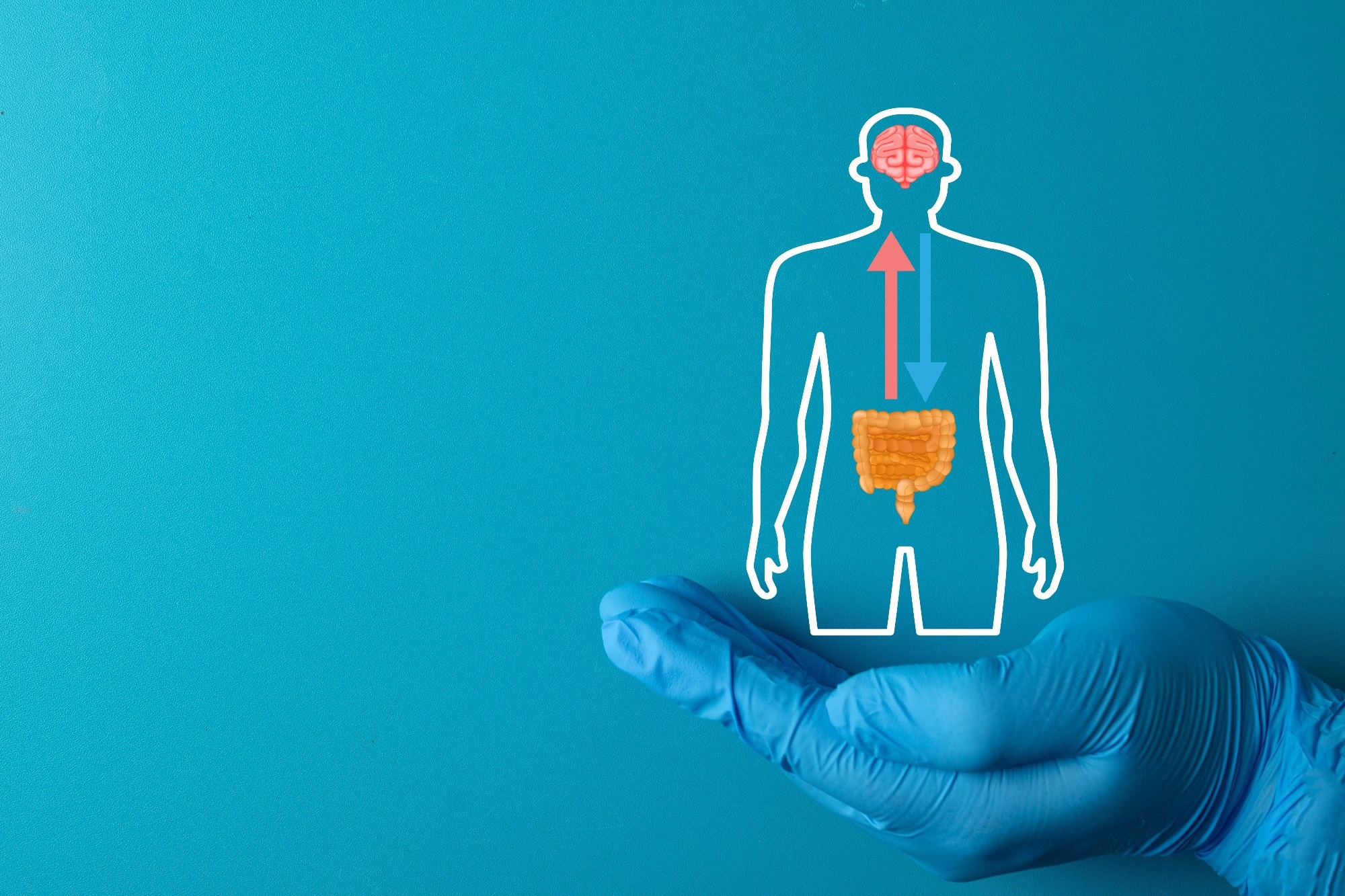
Study: Intestinal interoceptive dysfunction drives age-associated cognitive decline. Image Credit: Toey Andante / Shutterstock
In a recent study published in the journal Nature, researchers identified in mice a microbiome–gut–brain pathway in which impaired intestinal interoceptive signaling contributes to age-associated memory decline and may influence the rate of cognitive decline during aging.
Age-related memory decline impacts the quality of life of older adults. Neuronal engrams in the hippocampus are involved in memory formation, storage, and recall. The gut microbiome has been implicated as a modifiable factor contributing to age-related memory loss. Nonetheless, the circuits that transmit microbial signals to the brain for modulating memory remain largely unknown.
Scientists uncover a gut–brain signaling pathway linked to age-related memory decline
In the present study, researchers mapped the microbiome–gut–brain pathway influencing cognitive decline in mice. First, they investigated the consequences of age-related changes in the microbiome on cognitive aging by uncoupling microbiome age from host age.
Accelerated microbiome aging was achieved in young mice by co-housing them with 18-month-old mice. This resulted in microbiome equilibration between young and old mice resembling an old-like state.
One month of co-housing impaired short-term memory in young mice during the novel object recognition (NOR) task. Next, co-housing young mice with different young mice did not impact their cognitive behavior. Colonizing young germ-free (GF) mice with fecal microbiome from aged or young donors reproduced donor microbiomes in recipients, establishing age-related microbiome changes without co-housing.
Further, gut microbiota was ablated using antibiotics before, during, and after co-housing. Co-housing young mice with old mice lacking microbiota did not impair performance on the NOR task. Antibiotic treatment concurrent with co-housing also protected young mice from the detrimental effects of co-housing. Treating young mice with antibiotics after they developed co-housing-related cognitive deficits restored memory performance.
A specific gut bacterium emerges as a driver of age-associated cognitive decline
Next, the team explored the microbial drivers of cognitive decline. Microbiome changes were characterized over the lifespan in mice. The animals showed signs of frailty and mortality at two years of age.
Parabacteroides goldsteinii was identified as the top candidate, transmissible to young mice by transplantation and co-housing, and whose abundance increased with age. Colonizing antibiotic-treated or GF young mice with P. goldsteinii resulted in cognitive impairment.
The researchers then examined whether P. goldsteinii outgrowth and microbiome aging affected hippocampal function. They found reduced hippocampal neurogenesis and enhanced inflammation in old mice but not in co-housed young mice.
Young mice showed robust activation of immediate-early genes, reflecting neuronal activation, in response to exposure to a novel object. This response was blunted in old mice and co-housed young mice.
FOS staining showed that hippocampal regions CA1, CA3, and the dentate gyrus had impaired activation to novelty exposure in co-housed young mice. GF mice receiving microbiota from young mice showed elevated dentate gyrus activity to novelty exposure, while responses were blunted in those receiving microbiota from old mice. Colonization of young mice with P. goldsteinii also inhibited hippocampal responses to novelty exposure.
Impaired gut sensory signaling appears to disrupt memory-related brain circuits
Several other brain areas, including the entorhinal and somatosensory cortices and the nucleus tractus solitarii, exhibited reduced neuronal activation in old mice and co-housed young mice. Given their role in sensory processing, the researchers speculated that aging may reduce the transmission of interoceptive information through vagal sensory neurons innervating the gut rather than through spinal sensory afferents.
The researchers assessed cognitive performance in mice lacking neurons expressing the vanilloid receptor (TRPV1). Young Trpv1DTA mice phenocopied old mice in the NOR task and showed decreased hippocampal activation. The same effect was reproduced through chemogenetic silencing of TRPV1-positive neurons.
In contrast, chemogenetic activation of TRPV1-positive neurons in co-housed young mice restored their cognitive performance and hippocampal FOS activity. Capsaicin, a TRPV1 agonist, produced similar effects by restoring memory function and hippocampal responses in both old mice and co-housed young mice. The detrimental effects of P. goldsteinii were also negated by capsaicin treatment.
Microbial metabolites trigger inflammatory signaling that disrupts gut–brain communication
Additional experiments suggested that impaired vagal afferent function may mediate intestinal regulation of age-related cognitive decline. Oral administration of size-filtered fractions of P. goldsteinii culture supernatants resulted in cognitive decline. Untargeted metabolomics revealed that 3-hydroxyoctanoic acid (3-HOA), a medium-chain fatty acid (MCFA), was the most strongly enriched metabolite.
Oral administration of 3-HOA impaired object recognition and reduced hippocampal responses. Other MCFAs, such as dodecanoic and decanoic acids, produced similar effects. These metabolites increased in abundance in the intestinal lumen with age but not in GF or antibiotic-treated mice.
Treatment with a bacteriophage targeting Parabacteroides distasonis altered microbial transcriptional programs and reduced intestinal MCFA levels in old mice.
The researchers investigated whether MCFA effects on memory were mediated by G protein–coupled receptor 84 (GPR84) signaling. GPR84-deficient mice were protected from reduced hippocampal responses and memory dysfunction. A GPR84 agonist reproduced the effects of MCFAs, whereas an inhibitor counteracted the effects of 3-HOA.
Because GPR84 expression is largely restricted to myeloid cells, the team explored the role of the immune system. Their findings suggest that aging alters the gut environment, including P. goldsteinii outgrowth and MCFA accumulation.
These metabolites trigger pro-inflammatory myeloid responses through GPR84 signaling, including cytokine pathways involving TNF and IL-1β acting on PHOX2B-expressing sensory neurons. This process impairs vagal activity, hippocampal responses, and memory.
Findings highlight interoceptive gut–brain pathways as potential targets for cognitive aging
The results suggest that interoceptive communication pathways between the gut and brain may deteriorate over the lifespan, with reduced sensory input contributing to brain aging.
Interoceptive dysfunction may therefore contribute to age-associated cognitive decline in mice and influence the rate of memory deterioration. Pharmacological activation of interoceptive pathways may represent a potential therapeutic strategy, although whether similar mechanisms operate in human cognitive aging remains uncertain.
 Largest neuroimaging study of bulimia nervosa finds structural brain differences linked to diagnosis and binge-eating severity