A new mouse study reveals that under certain dietary conditions, gut bacteria can reach the brain without entering the bloodstream, suggesting a possible vagus nerve route and raising new questions about the gut–brain connection.
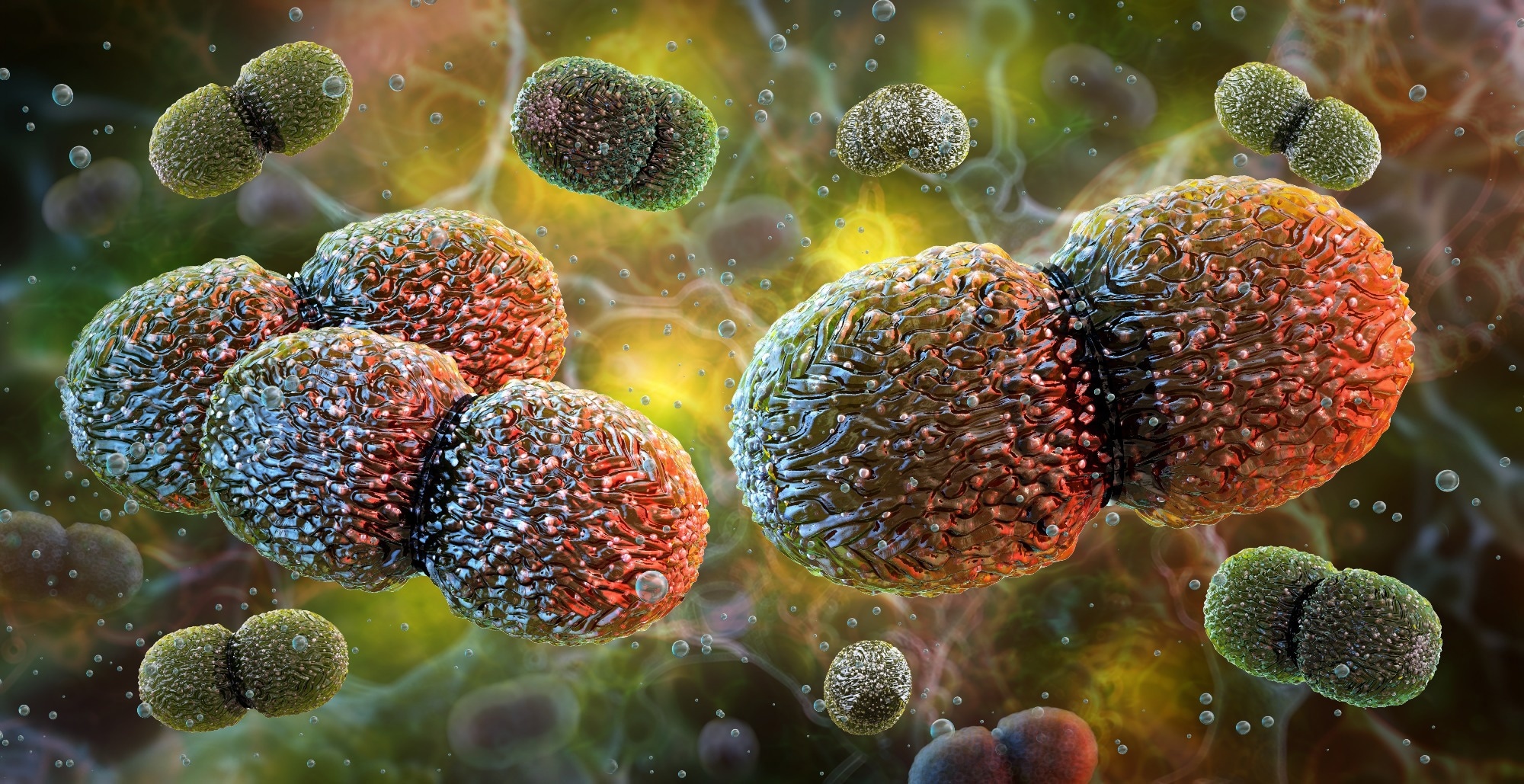
Study: Translocation of bacteria from the gut to the brain in mice. Image Credit: Corona Borealis Studio / Shutterstock
In a recent study published in the journal PLOS Biology, researchers showed that very small numbers of culturable gut bacteria can translocate to the brain in mice.
The gut–brain axis (GBA) is a bidirectional signaling network between the central nervous system and the intestine and plays an important role in regulating host physiology. Recent studies have linked the GBA to neurodevelopmental and neurodegenerative conditions, including Parkinson’s disease, autism spectrum disorder (ASD), and Alzheimer’s disease (AD). However, these associations do not establish that gut microbes directly cause neurological disease.
Alterations in the gut microbiome are sometimes associated with increased gut barrier permeability, allowing the passage of metabolites and microbes into the portal vein and the intestinal lamina propria. Studies have also reported associations between high-fat diets and increased intestinal permeability. However, the mechanisms by which gut microbes might influence the brain remain unclear.
The study and findings
In this study, researchers demonstrated that very small numbers of culturable gut bacteria can translocate to the brain in mice. First, they examined how dietary alterations affect the gut microbiome by feeding a high-fat atherogenic Paigen diet (PD) to multidrug resistance gene 2 knockout (Mdr2−/−) mice. The Paigen diet is a specialized experimental diet commonly used in atherosclerosis research and does not represent a typical human diet.
Total colony-forming units were similar in the ileum and fecal samples of PD-fed mice and control mice fed a regular diet.
After nine days of PD feeding, mice showed enrichment of Akkermansia, Bacteroides, and Staphylococcus, along with reduced lactobacilli compared with controls. These gut microbiome changes were associated with increased gut barrier permeability.
To determine whether these changes enabled microbial dissemination, bacteria were measured in fecal pellets, ileum, kidneys, lungs, heart, spleen, blood, and brain.
Bacteria were not detected in the blood or most systemic organs. However, very small numbers of culturable bacteria were isolated from the brains of PD-fed mice. No bacteria were detected in cerebrospinal fluid (CSF) or meninges, suggesting the condition was not meningitis.
The bacteria isolated from brain samples were identified as Enterococcus faecalis, Staphylococcus sciuri, and Staphylococcus xylosus.
The researchers confirmed that bacterial localization in the brain was not due to increased blood–brain barrier (BBB) permeability.
They then investigated whether bacteria might travel via the vagus nerve, which connects the gut and brain. Very small numbers of culturable bacteria were detected in the vagus nerve but not in the spinal cord, suggesting that bacterial localization was associated with the vagus nerve pathway.
Mice that underwent vagotomy showed approximately 20-fold fewer bacteria in the brain than sham-operated controls. Vagotomy did not alter gut barrier permeability, BBB permeability, or bacterial load in the ileum or feces.
Additionally, gut microbial composition in PD-fed vagotomized mice closely resembled that of sham-operated mice.
Genomic analysis showed that bacterial isolates from the brain, fecal samples, and ileum of the same mouse had average nucleotide identities above 99.99%, confirming that the bacteria detected in the brain originated from the gut.
Further experiments showed that perturbing the gut microbiome with antibiotics altered the species detected in the brain. For example, treatment-enriched Paenibacillus cineris was found in the ileum, fecal pellets, and brain.
These bacteria were not detected in the blood, spinal cord, or other organs. This suggests that changes in gut microbial composition influence which bacteria can localize in the brain.
Additional experiments showed that bacterial translocation also occurred in PD-fed wild-type mice of a different genetic background (C57BL/6).
Researchers then tested whether the bacterial species reaching the brain could be experimentally manipulated. Antibiotic-treated mice were gavaged with Enterobacter cloacae, a bacterium not normally present in these mice.
E. cloacae was detected in the ileum and feces five days after gavage and in the brain by day eight.
Germ-free (GF) mice colonized with E. cloacae showed increased gut permeability only when fed the PD diet. In these mice, E. cloacae was detected in the brain and vagus nerve, but not when the animals were fed a regular diet.
When Mdr2−/− mice were switched back to a regular diet after nine days of PD feeding, gut barrier permeability normalized within 14–28 days. At the same time, levels of S. xylosus in the brain and ileum fell below detection levels.
Very low levels of culturable bacteria were also detected in the vagus nerve and brain of mouse models of AD, ASD, and Parkinson’s disease maintained on a standard diet. However, these findings do not demonstrate that bacterial translocation causes these disorders.
The authors implemented extensive contamination controls due to the extremely low microbial biomass detected in brain samples.
Conclusions
The study suggests that very low levels of specific gut bacteria can translocate to the brain in mice, including in models of neurological disease.
The vagus nerve appears to serve, at least in part, as a pathway for this translocation, although other routes cannot be ruled out.
Importantly, bacterial translocation occurred without increased BBB permeability and without detectable microbes in blood, CSF, meninges, or other organs.
Further research will be required to determine whether similar mechanisms occur in humans.
 Brain activity patterns predict math problem solving struggles in children