Social media is neither inherently harmful nor beneficial, with a new review showing that patterns of use, online content, personal vulnerability, and cultural context can tip the balance between connection and psychological distress.
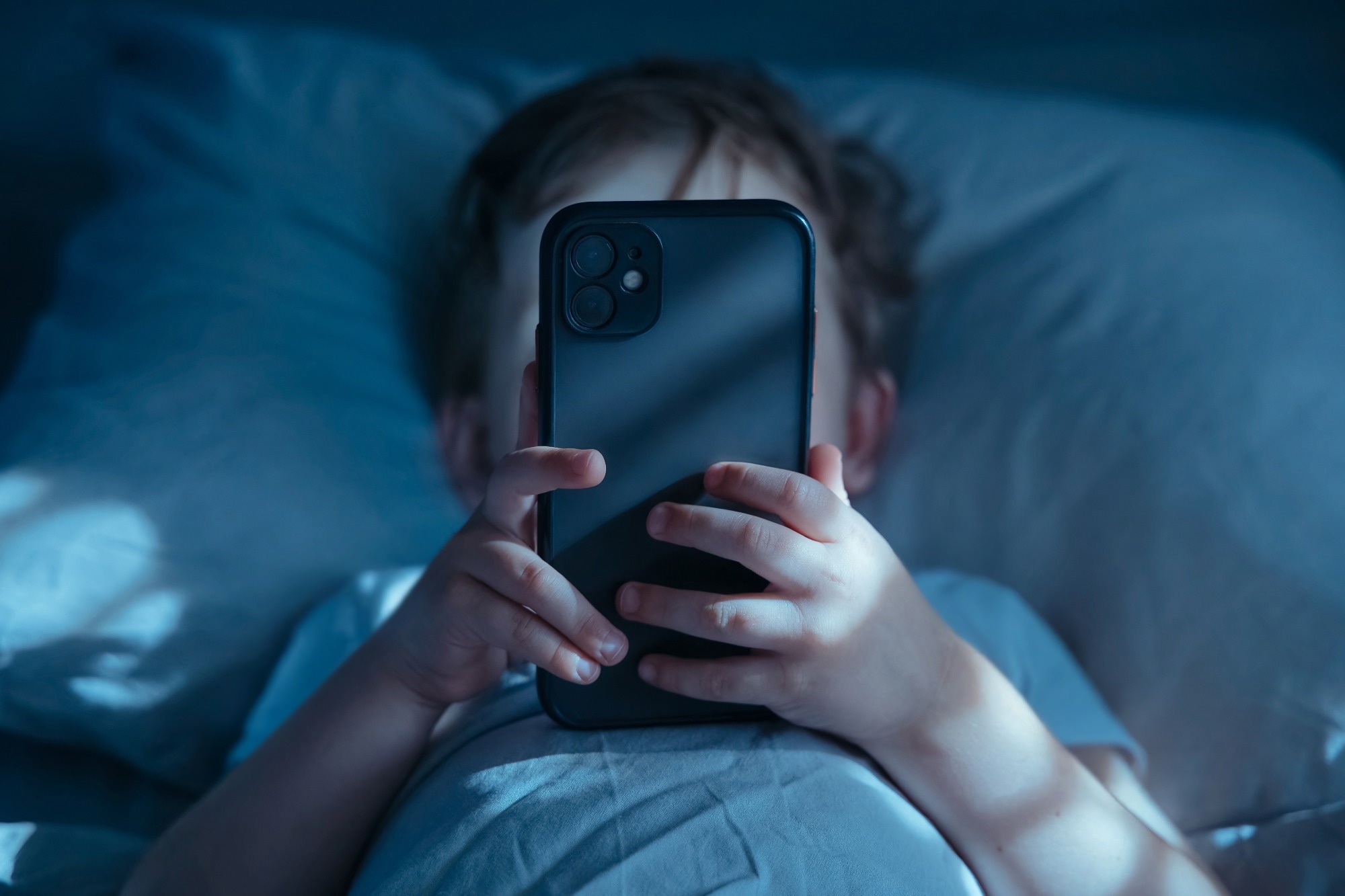
Study: Exploring the impact of social media on adolescent and young adult mental health. Image Credit: Arsenii Palivoda / Shutterstock
A review article published in the journal Humanities and Social Sciences Communications provides a comprehensive insight into the benefits and harms associated with social media use among adolescents and young adults.
Background
The emergence of social media and its rapid integration into everyday life have transformed the way people communicate, consume information, and perceive the world. Social media platforms such as Facebook, X (formerly Twitter), and Instagram can enhance users' mental well-being by fostering social connections, enabling self-expression, and broadening access to mental health resources.
In contrast to these beneficial impacts, social media use has been linked to a range of mental health concerns, including anxiety, depression, low self-esteem, and poor sleep. Compulsive use patterns associated with these platforms can negatively affect real-world relationships. The overall impact of social media on mental health is particularly crucial among adolescents and young adults, given the biological and social changes associated with this vulnerable stage of development.
In this narrative review, authors searched PubMed, Scopus, and Google Scholar and retained 33 key peer-reviewed studies involving people younger than 40 years for narrative synthesis. The evidence included longitudinal studies, cross-sectional surveys, and qualitative research exploring the association between social media use and mental health in these vulnerable populations.
A wide range of studies have investigated how self-expression and social engagements on social media platforms positively influence the well-being of young people.
Social support
Expressing personal thoughts on these platforms in difficult situations has been found to relieve stress and increase feelings of happiness among young adults. These benefits are associated with social and emotional support provided by peers on social media.
Evidence also suggests that social media platforms allow people to maintain and strengthen connections across geographical regions, highlighting broader opportunities to establish connections between communities and support systems, especially for those who might be isolated or seeking suitable communities.
Social media can provide immediate emotional support, but it should not be viewed as a replacement for real-world relationships. In this context, evidence indicates that excessive reliance on social media can sometimes induce a feeling of superficiality or exacerbate loneliness if real-world relationships are neglected.
Access to mental health resources
Recent evidence highlights the potential of social media platforms to support suicide-prevention initiatives by providing emotional support, opportunities to express feelings, connections with people facing similar challenges, and access to help. These platforms can provide users with a space to share emotional experiences and connect with people facing similar challenges in life.
Social media platforms can serve as valuable digital tools to facilitate access to mental health information, support, and help-seeking resources. The timing and context of social media use may influence its psychosocial effects. Even passive engagement with the platform may evoke a sense of social support and help alleviate stress.
Disadvantages of social media
Despite the well-documented association between social media use and mental wellbeing, a substantial body of evidence highlights potential mental health hazards of excessive or problematic use. Unrealistic beauty standards presented on social media platforms have been associated with adverse mental health and body image outcomes among adolescents, including poor body image, low self-esteem, anxiety, and depression.
A negative perception about body image can make these vulnerable populations more susceptible to body dissatisfaction, disordered eating, and unhealthy attitudes or behaviors related to body size and shape. These appearance-related concerns are often more pronounced among young girls and women, as compared to their male counterparts, although boys and young men may experience other forms of problematic social media use.
Evidence reviewed by the authors suggests that the nature of social media use may be a more significant risk factor than frequency alone, with active, relational engagement generally associated with more positive outcomes than passive, evaluative engagement. Studies investigating recognized maladaptive use patterns have identified a strong association between problematic social media use and depressive symptoms in young adults.
Regarding the relationship between depressive symptoms and problematic social media use, evidence suggests a bidirectional relationship, where depression can lead to increased social media use, which in turn, may exacerbate depressive symptoms.
Evidence on coping strategies indicates that taking a short break from social media may help reduce perceived stress, particularly among people who use these platforms heavily. This strategy is particularly relevant for those who heavily rely on social media platforms.
Problematic social media use, characterized by loss of control, tolerance, and withdrawal, has been specifically linked to risky alcohol consumption and difficulties in real-world relationships. Separate studies have associated social media disorder among adolescents with shorter sleep and greater loneliness, while combined smartphone and Facebook addiction in young adults was associated with higher rates of substance abuse, depression, and anxiety disorders.
Although social media may provide opportunities for suicide-prevention support, opposite reactions have also been documented in the literature. Social media bullying has been associated with an increased risk of suicide attempts, while exposure to self-harm content has been linked to suicidal thoughts, self-injury, and emotional distress.
Cultural factors influencing social media use and mental health
Different forms of individualism and collectivism are among the key cultural factors that influence the impact of social media on mental health. Adolescents with stronger vertical individualist values, which emphasize personal achievement and competition, have been found to be more susceptible to depression than those with horizontal individualist values emphasizing autonomy and self-expression.
Cultural perspectives on body image are another crucial factor influencing social media’s impact on mental health. In Western countries, where beauty standards are often shaped by highly edited and idealized imagery, social media use has been linked to increased body dissatisfaction, eating disorders, and low self-esteem, especially among young girls.
In some non-Western cultures, where thinness or particular beauty ideals may receive less emphasis, social comparison may have a less pronounced impact. However, globalization and exposure to social media are increasingly introducing Westernized beauty norms into many cultures.
These observations highlight the importance of considering cultural factors rather than focusing solely on limiting screen time when developing interventions to address the mental health impacts of social media.
The authors caution that the evidence does not establish a simple causal relationship between social media use and mental health. The literature is methodologically heterogeneous and dominated by cross-sectional studies, while the broad age range examined and rapid evolution of social media platforms may limit the comparability and long-term applicability of some findings.
Given the overall patterns of social media use, the authors highlight the need to promote mindful and balanced engagement with social media. They also emphasize digital literacy, appropriate content moderation, and meaningful offline interactions, while noting that future research should prioritize longitudinal and intervention-based designs to better establish causality and test effective harm-reduction strategies.
Journal reference:
- Alhaj, H., Jaber, M. O., Assaf, M., Awadhalla, F., Alkhatib, R., & Obaideen, K. (2026). Exploring the impact of social media on adolescent and young adult mental health. Humanities and Social Sciences Communications. DOI: 10.1057/s41599-026-08709-4, https://www.nature.com/articles/s41599-026-08709-4
 Social media posts misrepresent Alzheimer's blood test recommendations