Can the same mouthwatering photography that makes fast food irresistible persuade teenagers to choose healthier meals? Researchers tested the idea on Instagram, comparing food imagery, nutritional captions, and adolescents' responses.
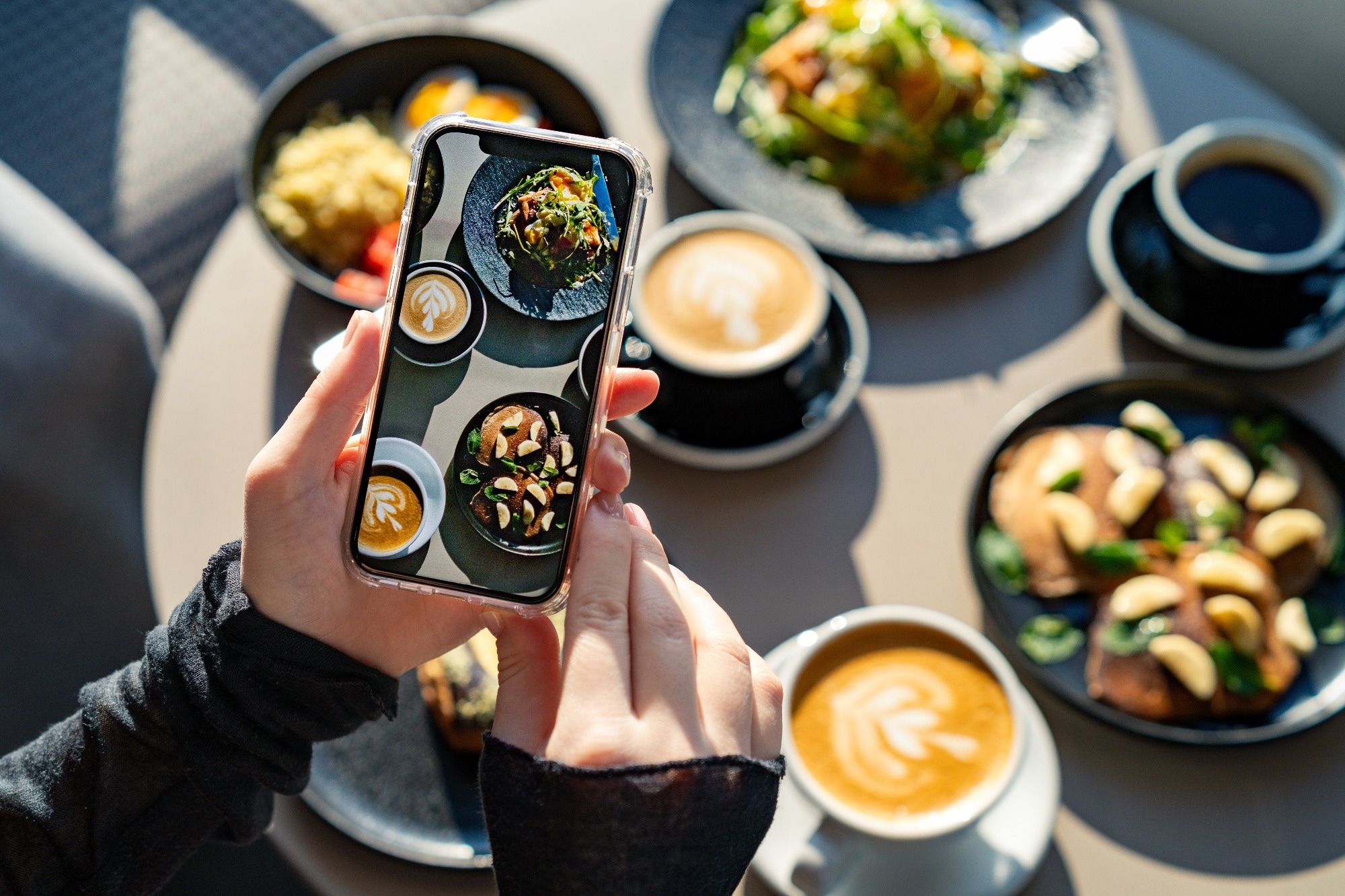
Study: Foodporn for e-priming healthy food choices among adolescents: an experimental study using appealing food imagery. Image Credit: Dulin / Shutterstock
Social media feeds are crowded with alluring images of fast food that can influence what young people want to eat. In a recent study of adolescents in India published in the journal BMC Public Health, researchers investigated whether similar eye-catching images of nutritious meals could increase interest in healthier eating.
‘Foodporn’
Adolescence, between ages 10 and 19, is a critical stage of growth and development. Obesity among children and adolescents has risen over the past two decades, and in India, recent estimates show that about 8.4% of young people are in the obese range and 12.4% in the overweight range. Changing diets, urbanization, and easy access to energy-dense foods contribute to this trend.
Social media has become a preferred channel for food marketing, and adolescents are exposed mostly to promotions of unhealthy products. Glamorized food photography, widely known as ‘foodporn’, often features unhealthy foods and can shape cravings and social eating norms. Researchers have proposed that the same visual techniques could prime healthy choices, a concept called electronic priming.
About the study
In this study, the researchers used online questionnaires and interviews among adolescents aged 13 to 19 years who had an Instagram account, were willing to take part for 15 days, and did not follow any food-dedicated pages or food influencers. Of 271 people approached, 203 took part after screening, with informed consent from adults and parental consent and adolescent assent for minors.
Before the main study, the team developed questionnaires and food images and pretested them with adolescents who were not part of the final sample. The photographs came from stock providers and were sorted into three categories: non-core foods, meaning fast foods high in energy and low in nutrients; core regular images, which showed healthy foods plainly; and core foodporn images, which showed different dishes from the same broad healthy food groups in a visually appealing style. 43 school-going adolescents rated a pool of 150 photographs for likeability, and the most-liked image from each of 15 subcategories formed the final set.
Participants were randomly assigned to two groups. Group 1 (n = 101) viewed images with food names and short nutritional descriptions, while Group 2 (n = 102) viewed images with food names only. Both groups viewed five images from each food category through private Instagram accounts created for the study. The randomization therefore compared nutritional captions, rather than exposure to food imagery against an unexposed control group.
The data were collected over three stages. A baseline questionnaire covered demographics, social media use, and food attitudes. During the 15 days of posting, participants answered a daily questionnaire on visual appeal, willingness to eat, affordability, place of consumption, and social context. Lastly, an endline questionnaire assessed attitudes, consumption frequency, and intentions.
One week later, 19 adolescents completed semi-structured telephone interviews until no new themes emerged. The researchers used chi-square and McNemar tests in the Statistical Package for Social Sciences (SPSS) to analyze associations and changes in responses.
Key findings
The results indicated that visually appealing images of healthy foods were linked to a willingness to eat them, and that adolescents showed generally favorable responses in attitudes, consumption, and intentions toward healthy foods, but most changes in liking and consumption were not statistically significant.
Before the intervention, all 203 adolescents reported using Instagram, and about 70% opened it several times a day. About 60% agreed they liked trying foods seen on social media, and 56% said appealing images made them crave those foods.
During the 15 days, visual appeal was significantly associated with willingness to eat the food in all three image categories. For some foods, healthy ‘foodporn’ images were associated with greater reported willingness to eat than plain images, and the differences were significant for millet and pulse dishes. These comparisons involved different dishes within the same food groups, rather than identical foods photographed in two styles. By comparison, plain nuts and plain curd attracted more favorable willingness-to-eat responses than the styled dishes in their respective food groups. Participants were also more inclined to report wanting to eat appealing healthy foods in restaurants and with friends than their plain counterparts, which are settings usually linked to non-core foods. Home and family remained the most commonly preferred settings for healthy foods overall.
After the intervention, both groups showed generally positive, mostly nonsignificant changes in liking and self-reported consumption frequency of healthy foods. In the end-line survey, participants generally intended to eat more healthy foods, and more participants planned to reduce non-core foods. Because intentions were measured only after the intervention, these responses could not establish whether intentions had changed from baseline. Statistically significant increases in self-reported consumption appeared only for mixed fruit salad and plain curd in Group 2, while liking increased significantly only for plain curd in Group 1. Nutritional captions did not produce significant differences between the groups.
In the interviews, respondents said color, presentation, and ingredients made food images appealing, and most said they noticed pictures rather than captions. Several reported eating more fruits, vegetables, nuts, and pulses, and many expressed interest in being part of health-focused online communities. Self-reported dietary changes were more apparent when the displayed foods were available and affordable. The findings suggest that appealing imagery could help shape adolescents’ interest in healthy foods, but the study has not shown longer-term dietary changes.
The authors noted several limitations, including mostly female participation, a short intervention period, a limited range of foods, and self-reported data. The study used snowball recruitment and had no long-term follow-up. Because the study was not a controlled experiment, causality could not be inferred.
Conclusions
Overall, the findings indicated that presenting healthy foods in an attractive and appealing style on social media could make healthier foods more desirable to adolescents in an online environment where unhealthy food promotion is widespread. The researchers suggested that school canteens, restaurants, cafes, and online communities could adopt similar visual strategies, and that influencers and platforms could further support such efforts. The researchers also recommended larger studies with varied groups and settings to confirm these results over time.
Source:
Journal reference:
 Blood markers linked to healthy eating may reflect more than food choices