Could paying closer attention to hunger and fullness cues relate to health beyond eating habits? A diverse U.S. study examined how intuitive eating corresponds with sleep, stress, physical activity, and common cardiometabolic conditions.
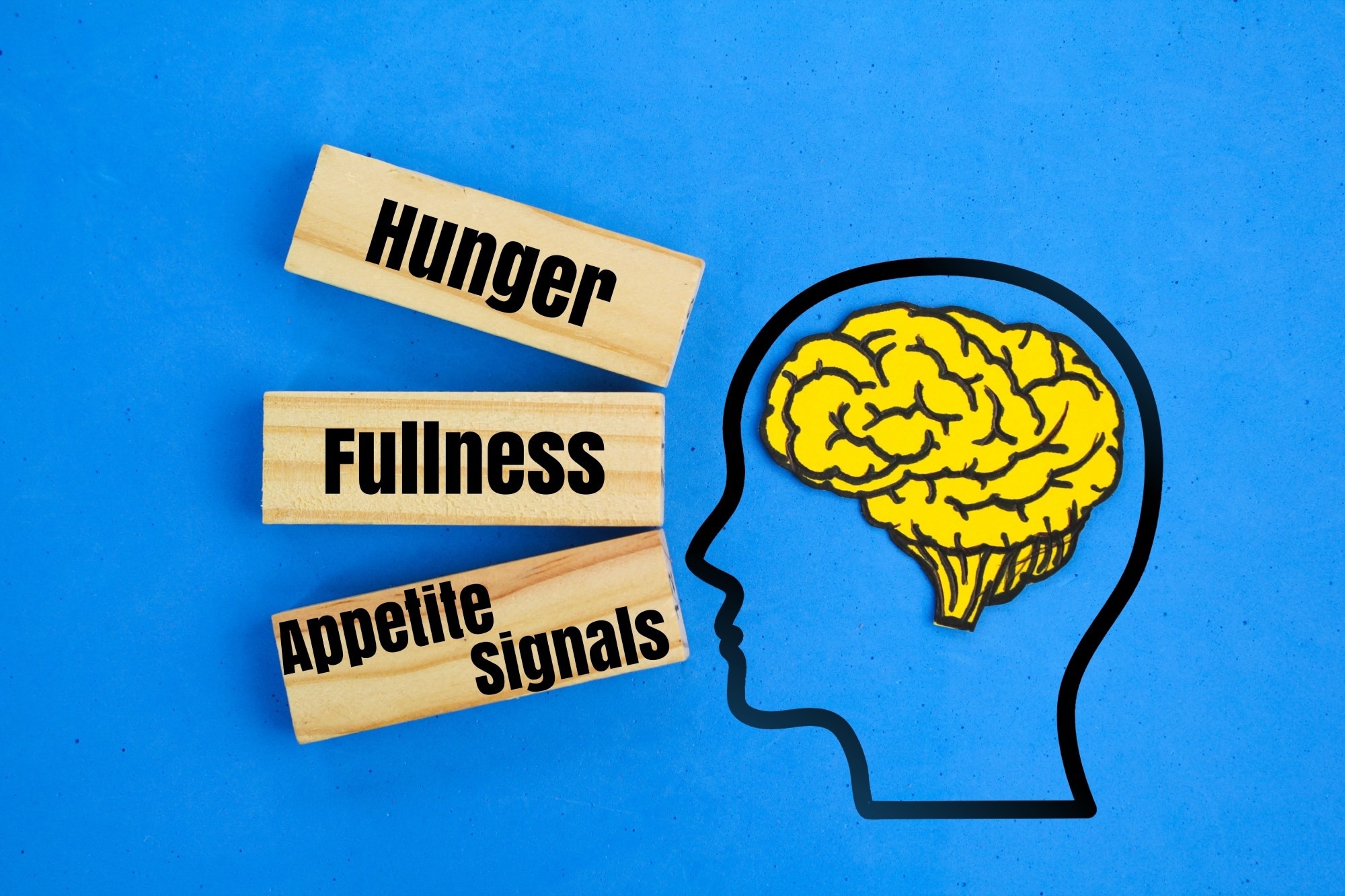
Study: Associations between intuitive eating and health behaviors and physical health in U.S. adults. Image Credit: MAFPHOTOART8 / Shutterstock
In a recent study published in the Journal of Behavioral Medicine, researchers examined how intuitive eating relates to lifestyle behaviors and chronic diseases.
Research indicates that more than 80% of adults in the United States (US) have weight-, eating-, or activity-related concerns, such as physical inactivity, body dissatisfaction, and low diet quality. The prevalence of these concerns is a pressing health issue, as lifestyle is a primary determinant of many chronic and noncommunicable diseases.
Lifestyle prevention programs commonly target physical activity, weight reduction, stress management, and calorie reduction to alleviate disease risk. Such programs yield modest long-term improvements, but the benefits attenuate over time. Adherence and retention are consistently linked to improved outcomes across lifestyle interventions. Still, achieving and sustaining high levels of adherence and attendance remains a major challenge.
Intuitive eating is a non-dietary approach that focuses on eating in response to internal cues, such as hunger and satiety. It may be a simpler and more sustainable approach, since the rigidity and complexity of prevailing interventions are barriers to adherence. Research has consistently shown that intuitive eating is strongly associated with psychological well-being. Yet, its associations with physical health and health behaviors remain poorly defined.
About the study
In the present study, researchers investigated associations between intuitive eating and physical health and health behaviors. For this cross-sectional online survey, adults aged ≥ 18 years living in the US were recruited through CloudResearch Connect. Participants provided their demographic details via a questionnaire. The short form of the Food Security Survey Module was used to assess food security. The Intuitive Eating Scale (IES-3)-3 was used to evaluate intuitive eating. General health was assessed using an item from the Short Form Health Survey.
Physical activity was assessed using the International Physical Activity Questionnaire. The team also evaluated substance use, daily fruit/vegetable intake, and weeknight sleep duration. Participants indicated the number of days they had used alcohol, marijuana, and tobacco or nicotine in the past 30 days. Stress within the past two weeks was self-reported.
Participants reported whether they previously had, or currently have, hypertension, hyperlipidemia, or type 2 diabetes (T2D). Regression models were used to evaluate associations between intuitive eating and physical activity, overall stress, general health, fruit/vegetable intake, substance use, weeknight sleep, and health conditions.
A separate analysis assessed associations between intuitive eating and the frequency of alcohol use in the past 30 days. Models were adjusted for sex, age, and race or ethnicity. An exploratory analysis assessed whether associations varied by sex.
Findings
In total, 1,057 participants were included in analyses. Most participants reported being female (53.2%) and White (57.7%). Participants showed moderate levels of intuitive eating, reported low-to-moderate stress, and rated their general health as good. They also had moderate levels of physical activity. Most participants (61%) slept at least seven hours on weeknights.
About 51.7% reported alcohol consumption, and 37% consumed at least five fruit/vegetable servings daily. Around 28% of participants reported current or previous hypertension. The team found that increased intuitive eating was associated with better self-rated general health and lower stress levels. Regarding health behaviors, higher levels of intuitive eating were associated with greater physical activity.
Each one-unit increase in intuitive eating was associated with higher odds of sleeping at least seven hours on weeknights. Intuitive eating showed no statistically significant associations with substance use, fruit/vegetable intake, or the frequency of alcohol use. Higher intuitive eating was also associated with lower odds of reporting a current or previous diagnosis of T2D, hypertension, or hyperlipidemia.
Each one-unit increase in intuitive eating was associated with 47% lower odds of hypertension and 50% lower odds of hyperlipidemia, and lower odds of T2D. A significant interaction was noted between intuitive eating and sex for overall stress. That is, intuitive eating was more strongly associated with lower stress among females than among males.
Conclusions
Overall, intuitive eating was positively associated with self-reported health, sleep, and physical activity. It was also negatively associated with perceived stress and the odds of reporting a current or previous diagnosis of hyperlipidemia, hypertension, and T2D. No statistically significant associations were observed with substance use and fruit/vegetable intake. The cross-sectional design and reliance on self-reported behaviors and diagnoses prevent conclusions about causality or direction of effect.
These findings suggest that intuitive eating may be a promising health-promotion framework, but longitudinal and intervention studies are needed to determine whether it predicts changes in health behaviors or cardiometabolic health over time.
 Food fraud costs the UK up to £2 billion a year