As immediate-release policies put medical results directly into patients’ hands, a national study examines who checks them before clinician contact and how well they believe they understand what they see.
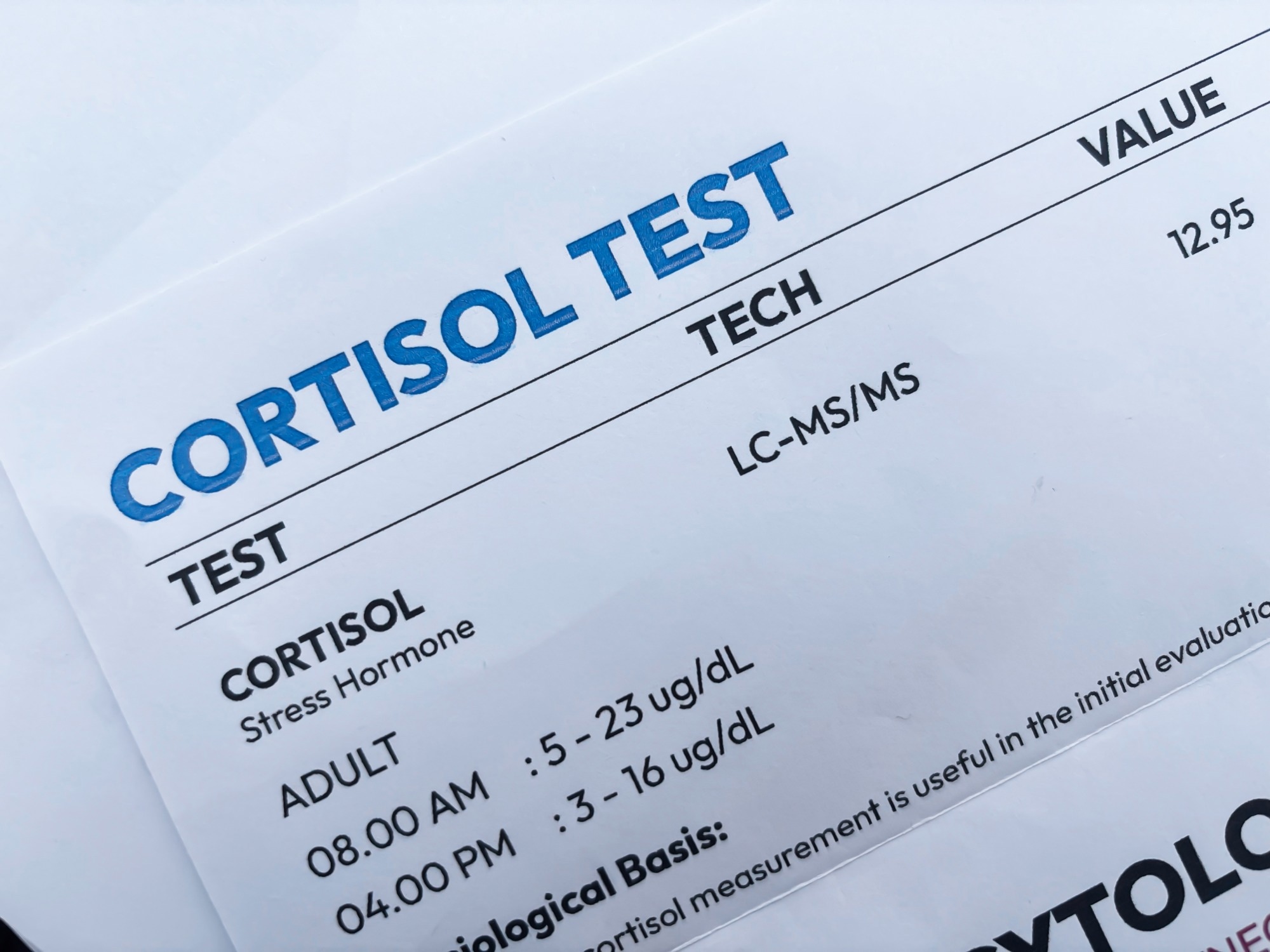
Study: Patient Viewing and Comprehension of Immediately Released Test Results. Image Credit: Visuals6x / Shutterstock
In a recent study published in JAMA Network Open, researchers examined patterns in patients’ viewing of immediately released test results before hearing from a healthcare provider, as well as their self-rated understanding of the findings before consulting a healthcare provider.
They found that adults in older age groups, women, people with higher income levels, higher digital literacy, more chronic conditions, and those who more frequently used social media for health concerns were more likely to view their reports before clinical communication.
Among people who viewed their reports before clinical communication, poor self-rated comprehension was associated with Census region and medical care discrimination, while greater patient-centered communication and digital literacy were associated with a lower prevalence of poor comprehension.
Although 68.6% of participants viewed their reports before hearing from a healthcare provider, only 34.9% of these viewers rated their understanding as very good.
The findings underscore the need to address disparities in digital health literacy and patient-centered communication to help patients understand health information.
Under the Cures Act’s federal regulations, test results should be provided to individuals through patient health portals immediately upon online release. While rapid access can empower patients, responses to report viewing before doctor consultations may vary considerably by outcomes and care settings. Without timely clinical context, complex or unexpected findings may be difficult to interpret.
Some patients may therefore have difficulty understanding what their results show and what they mean for their care. National-level estimates of how often patients access results before consultation can help inform efforts to improve digital health literacy and support patient-centered care.
About the study
In the present cross-sectional study, researchers investigated whether access to test reports through patient portals before being told about them by healthcare providers varied by health status, sociodemographic characteristics, digital literacy, and social media use. They also explored the influence of these factors on self-rated comprehension of the reports.
Analyzing information from the Health Information National Trends Survey (HINTS) conducted among United States adults in 2024, the team evaluated report viewing before clinician communication and self-rated comprehension of health reports among 4,982 individuals (174,672,964 adults after weighting).
All participants had undergone medical tests in the previous year and had been offered online access to their medical records by a healthcare practitioner. The researchers evaluated patients’ viewing of their reports before consultation with the doctor and their self-rated comprehension of the findings.
To assess the influence of sociodemographic factors, the team recorded participants' age, race, ethnicity, sex assigned at birth, education, and income. They also documented the Census region, urbanicity, comorbidities, individual and familial cancer history, healthcare discrimination, digital literacy, health-associated social media usage, and patient-centered communication.
Using robust Poisson regression, the researchers evaluated multivariable associations with the study outcomes.
Results
The largest group of participants was aged 50-64 years (28%); 52% were female, and 62% were non-Hispanic Whites. Nearly 69% of the participants viewed their reports online before clinical communication. Among those who viewed their results before clinical communication, approximately 27% rated their comprehension of the reports as fair, 32% as good, 35% as very good, and less than 7% as poor.
Older age groups, female sex, a greater number of chronic health conditions, higher income (≥$50,000), higher digital health literacy, and greater social media usage for health concerns were associated with viewing reports before hearing from a healthcare provider. Interestingly, the strongest age-related association was among those aged ≥65 years, with an adjusted prevalence of viewing their reports approximately 19% higher than among adults aged 18-34 years.
For each additional chronic health condition, every one-point increase in health-related social media use, and every one-point increase in digital literacy, the adjusted prevalence of viewing results before clinician communication was approximately 4.0%, 7.0%, and 24% higher, respectively.
Conversely, race, ethnicity, urbanicity, geographic region, cancer history, medical discrimination, and communication with healthcare providers were not significantly associated with viewing results.
Among respondents who viewed results before clinician communication, the team observed associations between poor comprehension ratings and residing in the South or Midwest and experiencing discrimination in medical care. Poor comprehension was less common among participants with higher digital literacy and better communication with their healthcare providers.
Conclusion
The findings demonstrate that more than two-thirds of the participants viewed their test results before speaking with a healthcare provider, but just over one-third rated their understanding of the findings as very good.
Participants who were older, female, had a greater number of chronic health conditions, had higher household incomes, were digitally literate, and used social media for health-related concerns frequently were more likely to view their reports before hearing from a healthcare provider than their counterparts.
The team observed associations between poor comprehension ratings and residing in the South or Midwest, as well as experiencing discrimination in medical care.
Although the Cures Act has increased access to health information, self-rated understanding of test findings appears to differ by geographic region, digital literacy, and the quality of communication with healthcare providers.
The authors said these comprehension gaps warrant attention from clinicians returning results, healthcare systems, software developers, health information technology vendors, and legislators.
The study was limited by its inability to assess habitual viewing frequency, its reliance on self-reported measures, its use of a single comprehension item that combined two concepts, and its cross-sectional design, which prevents causal inference.
The absence of multiple-comparison correction means some significant findings may also reflect chance, while the lack of health-system identifiers prevented assessment of system-level differences in immediate-release implementation.
 Study identifies three cell clusters driving pancreatic cancer-induced cachexia