Researchers put persistent post-COVID symptoms under the microscope, combining clinical exams, neurological testing, and routine blood markers to search for a measurable biological signature.
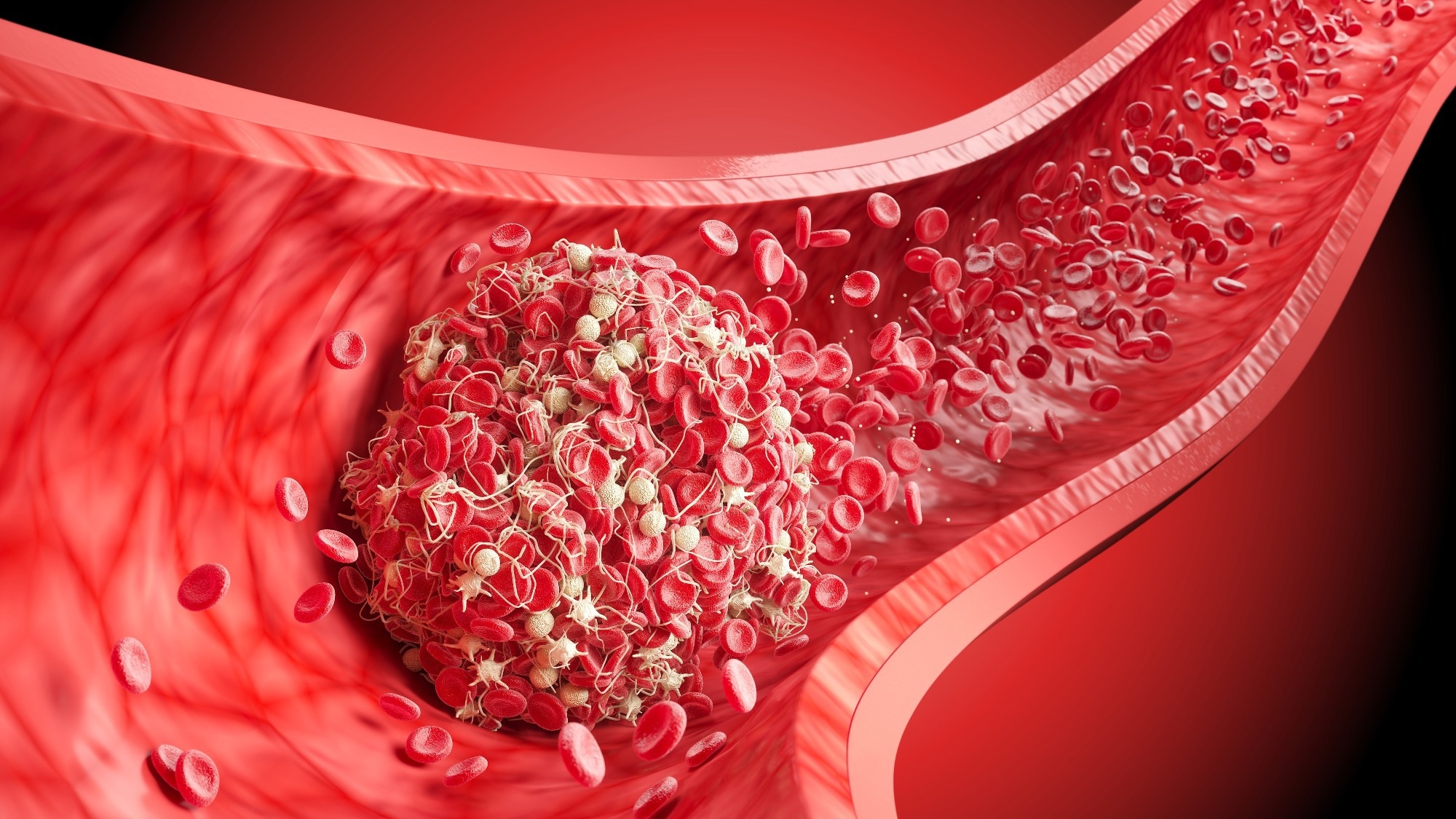
Study: Searching for biomarkers of long COVID: findings from a nationwide population-based study. Image Credit: Anusorn Nakdee / Shutterstock
A recent study accepted for publication in the journal Scientific Reports examined potential clinical, neurological, and paraclinical biomarkers associated with long COVID.
COVID-19 and Its Lasting Impact
Coronavirus disease 2019 (COVID-19) is a highly infectious illness caused by severe acute respiratory syndrome coronavirus 2 (SARS-CoV-2), which began spreading globally in late 2019. The pandemic has had profound health, social, and economic consequences, affecting millions and placing immense pressure on healthcare systems worldwide. Although most people recover from the initial infection, a substantial proportion continue to experience symptoms for weeks or even months. This phenomenon, now referred to as long COVID, has emerged as a significant health challenge.
Current estimates suggest that approximately 6% of those who contract COVID-19 develop long COVID, though this figure varies by population and setting. Encouragingly, the risk appears to have declined over time, likely due to vaccination, prior immunity, and changes in circulating viral variants. Despite this downward trend, long COVID continues to pose a major global public health concern.
More than 200 symptoms have been associated with long COVID, with severe fatigue, cognitive dysfunction, and dysautonomia among the most debilitating. The underlying causes are not yet fully understood but may involve viral persistence, immune system disruption, autoimmunity, and multi-organ effects.
Previous studies have identified several risk factors for developing long COVID, such as female sex, older age, pre-existing chronic conditions, severe acute illness, and recurrent infections. In contrast, vaccination and antiviral treatments appear to reduce the risk. However, efforts to identify reliable biomarkers for diagnosing long COVID have been hindered by inconsistencies in study design and varying definitions of the condition.
Researchers Examined National Cohort to Identify Biomarkers of Long COVID
The current study investigated residents of the Faroe Islands who contracted COVID-19 during the early phase of the pandemic. In March 2020, in response to the emerging threat, the Faroe Islands' Ministry of Health established a dedicated task force to monitor all polymerase chain reaction (PCR)-confirmed COVID-19 cases and their contacts every 48 hours for symptoms and hospitalization needs.
A total of 324 individuals infected in either spring (March–April) or autumn (August–October) 2020 were eligible and invited to participate, and each had been monitored for at least 3 months. Participants completed both baseline and symptom questionnaires via telephone interviews conducted up to 6 times over an 8-month period, retrospectively reporting symptoms experienced during acute infection and whether they persisted. The follow-up phase of the study ran from September 2020 to March 2021. Comprehensive background information, including smoking habits, medication use, and chronic illnesses, was also collected.
A 21-item symptom questionnaire was used to rate symptoms on a 0–3 scale. Clinical examinations included measuring vital signs and assessing the heart and lungs. Neurological evaluations covered cranial nerves, muscle strength, sensation, reflexes, tactile and vibration sensitivity, and neuromotor control. Additional tests assessed smell, taste, vision, and hearing. Paraclinical assessments included electrocardiograms (ECGs), lung function tests (spirometry), and blood tests for hematological, renal, liver, and endocrine markers.
No Convincing Biomarkers Identified for Long COVID
Of 324 eligible individuals, 273 participated in the clinical follow-up, and 218 were included in the final analysis. After an average follow-up period of 192 days, 41% reported moderate or severe symptoms and were classified as having long COVID for the study's statistical analyses. The most commonly assessed symptoms were fatigue and loss of smell or taste, while many participants also reported cognitive issues not included in the symptom questionnaire. Women reported more symptoms than men at baseline, but this difference was not present at follow-up. The authors cautioned that the relatively high proportion classified as having long COVID probably did not reflect its true prevalence in the population.
The group with long COVID had more symptoms, a higher body mass index (BMI), more hospital admissions during acute illness, and more smokers compared to those without long COVID. No reinfections were reported, and only three participants were vaccinated.
No prespecified baseline predictors were significantly associated with long COVID in the multivariable analysis, except that having more acute-phase symptoms was borderline significant. Separately, clinical and neurological assessments showed no significant associations with long COVID in univariable analyses. Participants in the first wave had higher odds of long COVID than those in the second wave, although the researchers said the reason for this difference was unclear.
In blood biomarker analysis, higher neutrophil counts were associated with long COVID in univariable analysis, but this was not confirmed in the adjusted (penalized) model.
Lower mean INR (international normalized ratio) values were observed in participants with long COVID (0.9) compared to those without (1.0). INR is a standardized measure of how quickly blood clots and is commonly used to assess coagulation, particularly in people taking anticoagulant medication. Although lower INR was statistically associated with long COVID, all INR values were within the normal range, so no clinical significance was observed. The finding, therefore, should not be interpreted as evidence of abnormal blood clotting.
The association between lower INR and long COVID remained consistent across different analyses, including alternative symptom-severity groupings, inclusion of more participants, and separate analyses by COVID-19 wave. The link between INR and long COVID was observed in both waves, though it was not always statistically significant in smaller subgroups.
Conclusions
The current study underscores the ongoing challenge of identifying reliable biomarkers for long COVID. The exploratory findings highlight the difficulty of identifying reliable biomarkers for the condition and reinforce the need for further research. The relatively small sample size, reliance on self-reported symptom severity, absence of an uninfected control group, multiple exploratory analyses, and lack of internal or external validation limited interpretation of the findings. Validation in larger, rigorously designed studies is needed to determine whether any of these findings have clinical relevance.
 Do you really need to fast before a blood test? It depends on the test