A 194-country WHO/UNICEF analysis examines what happens when children receive routine vaccines after the age windows captured by conventional annual reporting.
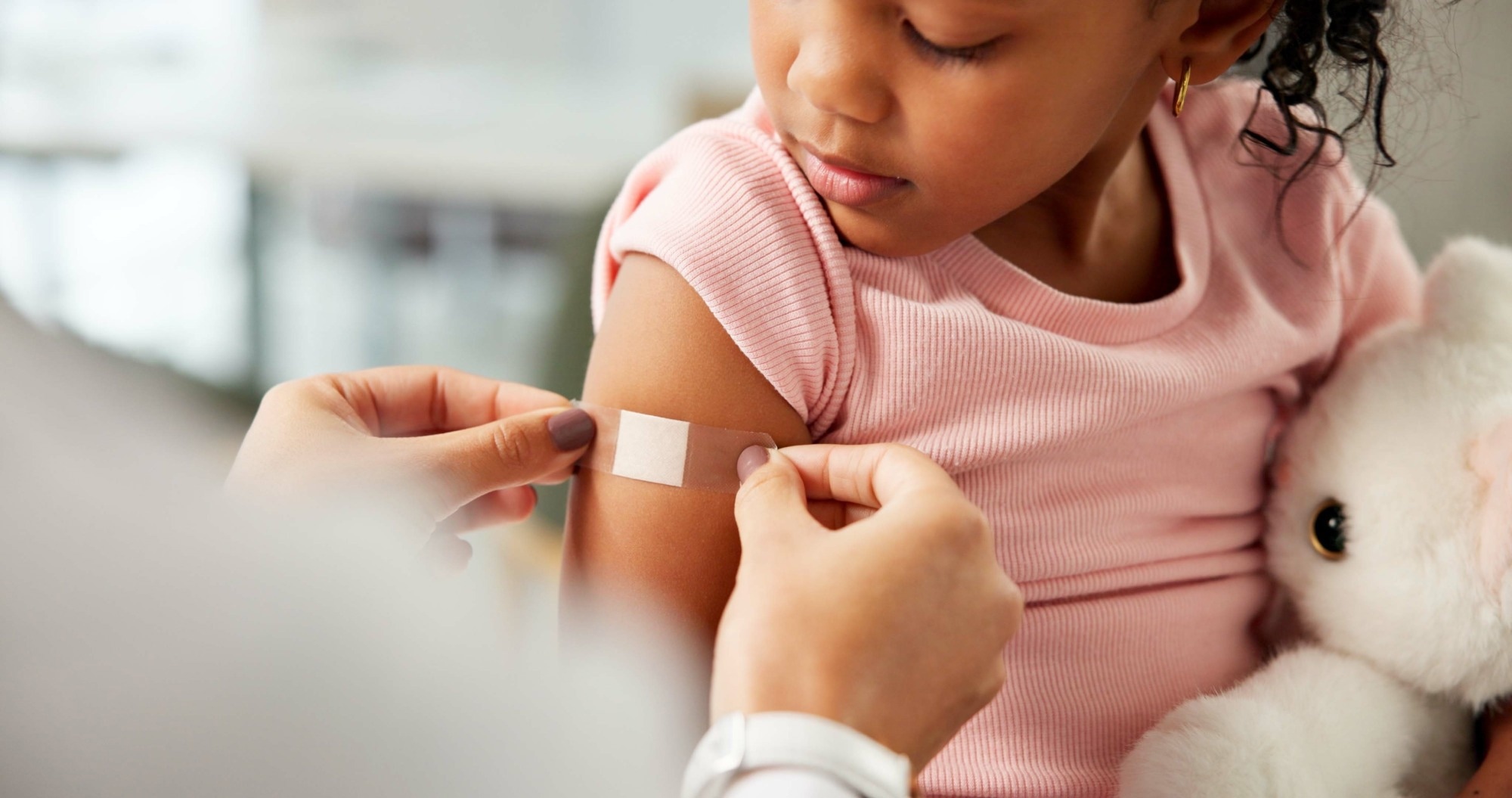
Leave no one behind: Global Analysis on monitoring childhood vaccination timeliness and catch-up using data from the WHO/UNICEF joint reporting form on Immunization. Image Credit: PeopleImages / Shutterstock
In a recent study published on the Gates Open Research platform, researchers collated and analyzed global childhood immunization monitoring data from the World Health Organization (WHO) and the United Nations Children's Fund (UNICEF) Joint Reporting Form on Immunization (JRF). The article was published as version 1 and was awaiting peer review at the time of publication.
The resulting sample dataset comprised records from 194 countries (2016 to 2022) and was analyzed to assess whether countries reported having national health information systems capable of tracking delayed vaccinations and to quantify the proportion of reported catch-up doses for the first dose of the measles-containing vaccine (MCV1) globally. The analyses also examined delayed-dose reporting for the third dose of the diphtheria-tetanus-pertussis (DTP3) vaccine in Latin America and the Caribbean (LAC).
The study’s findings revealed that while the majority (64.0%) of reporting countries reported having a system capable of capturing delayed doses in 2022, comparisons across regions and income groups showed substantial variation.
The analyses found that, among countries with sufficient data, following birth cohorts over time and adding delayed doses increased median coverage estimates by 3.6 to 5.1 percentage points, depending on the cohort year. The authors said single-calendar-year monitoring may underestimate the final vaccination coverage reached by a birth cohort when later doses are missed, and that stronger cohort-based monitoring and electronic immunization registries, where feasible and appropriate, could improve tracking.
Background
Vaccination is widely considered one of modern medicine’s most important defenses against the prevalence and spread of infectious diseases. Substantial evidence indicates that since the inception of the World Health Organization’s (WHO) Expanded Program on Immunization (EPI) in 1974, global vaccination initiatives have averted approximately 154 million deaths over the past five decades.
Encouragingly, reports show that global coverage of three doses of diphtheria-tetanus-pertussis-containing and polio vaccines has reached around 85%, while MCV1 coverage has remained between 83% and 86% over the past decade. Routinely administered vaccines are estimated to prevent 3.5 to 5 million deaths annually across 20 life-threatening vaccine-preventable diseases (VPDs).
Unfortunately, the recent coronavirus disease 2019 (COVID-19) pandemic and related control measures disrupted routine vaccination programs worldwide, reducing coverage, interrupting vaccination campaigns, and producing an uneven recovery across and within countries.
The global public health system had already endorsed the Immunization Agenda 2030 (IA2030) in August 2020, while immunization partners launched the Big Catch-up (BCU) initiative in 2023 to address declines in coverage and immunity gaps. The paper notes that timely vaccination narrows windows of disease vulnerability, while receiving a delayed vaccine is still preferred to remaining unvaccinated.
The paper notes that measuring catch-up vaccination remains difficult because most countries rely on aggregated information systems that compile doses from tally sheets. These systems may not capture vaccination by specific age groups, creating persistent ambiguity about how many children receive catch-up vaccinations as they grow older.
About the study
The present study aimed to address this knowledge gap and empirically inform future catch-up vaccination policy by conducting the first global analysis of countries’ reported ability to monitor delayed early childhood vaccinations.
The study’s dataset comprised country-level JRF data reported by 194 WHO Member States for the period 2016 to 2022. For countries in the Americas, the researchers also used regional JRF variables dating back to 2006.
The study first stratified the overall dataset by WHO regions and World Bank (WB) income classifications, and differentiated between "timely doses" (vaccines routinely administered during the first or second years of life) and "delayed doses" (catch-up vaccinations).
The researchers then assessed the presence and consistency of national recording systems and the proportion of total administered MCV1 doses reported as delayed globally, as well as the proportion of timely and delayed DTP3 doses in the Americas.
Study findings
The study’s global analyses showed that between 2016 and 2022, the proportion of countries reporting systems to record delayed doses rose from 55.5% (106 nations) to 64.0% (119 nations). Among the 126 countries with complete data for all seven years, 33 (26.2%) reported "yes" and later "no" to whether their systems could capture delayed doses, which the authors treated as inconsistent reporting.
The study found that low-income countries reported higher system availability (84.6% in 2021 and 76.0% in 2022) than high-income countries (HICs; 49.1% in 2022), an observation the authors said may partly reflect the fact that 14 of the 59 HICs relied primarily on surveys rather than administrative immunization information systems.
Overall, the study found that about 47% of countries submitting JRF data in 2022 provided quantitative records of delayed MCV1 doses, while the median proportion of MCV1 doses classified as delayed across usable country-year observations from 2016 to 2022 was 4.4%; the 2022 median was 6.3%. Illustrative data from selected countries for the 2020 birth cohort in Argentina and the Lao People's Democratic Republic suggested that adding delayed doses increased the estimated MCV1 coverage by nearly 20 percentage points. Regional analysis in LAC further suggested that DTP3 was delivered more timely than MCV1.
Conclusions
The present study suggests that conventional single-year monitoring may understate the final vaccination coverage reached by a birth cohort when delayed doses are not captured. While catch-up doses can help address vaccination gaps, incomplete and inconsistent administrative reporting limits the precision of estimates of delayed vaccination. The authors caution that reporting was incomplete in some countries, officials may have interpreted JRF questions differently, and unusually low or high delayed-dose proportions may reflect recording or reporting errors. No country was known to have systematically validated the accuracy of late-dose recording on tally sheets at the point of vaccination.
These empirical findings directly informed the 2024 revisions to the electronic Joint Reporting Form (eJRF) by WHO and UNICEF, which added definitions and age-disaggregated DTP3 questions, aligned MCV1 age groups with DTP3, and requested copies of tally sheets or equivalent primary data-collection tools to improve monitoring of delayed vaccination.
Journal reference:
- Danovaro-Holliday, M. C., et al. (2026). Leave no one behind: Global Analysis on monitoring childhood vaccination timeliness and catch-up using data from the WHO/UNICEF joint reporting form on Immunization. Gates Open Research, 10, 52. DOI: 10.12688/gatesopenres.16398.1. https://gatesopenresearch.org/articles/10-52/v1
 A large US study found no overall link between fluoride in pregnancy and children’s behavior