A Barcelona trial involving 320 adults tested guided outdoor gatherings and a simpler referral approach, exploring whether different forms of nature-based support meet different social and emotional needs.
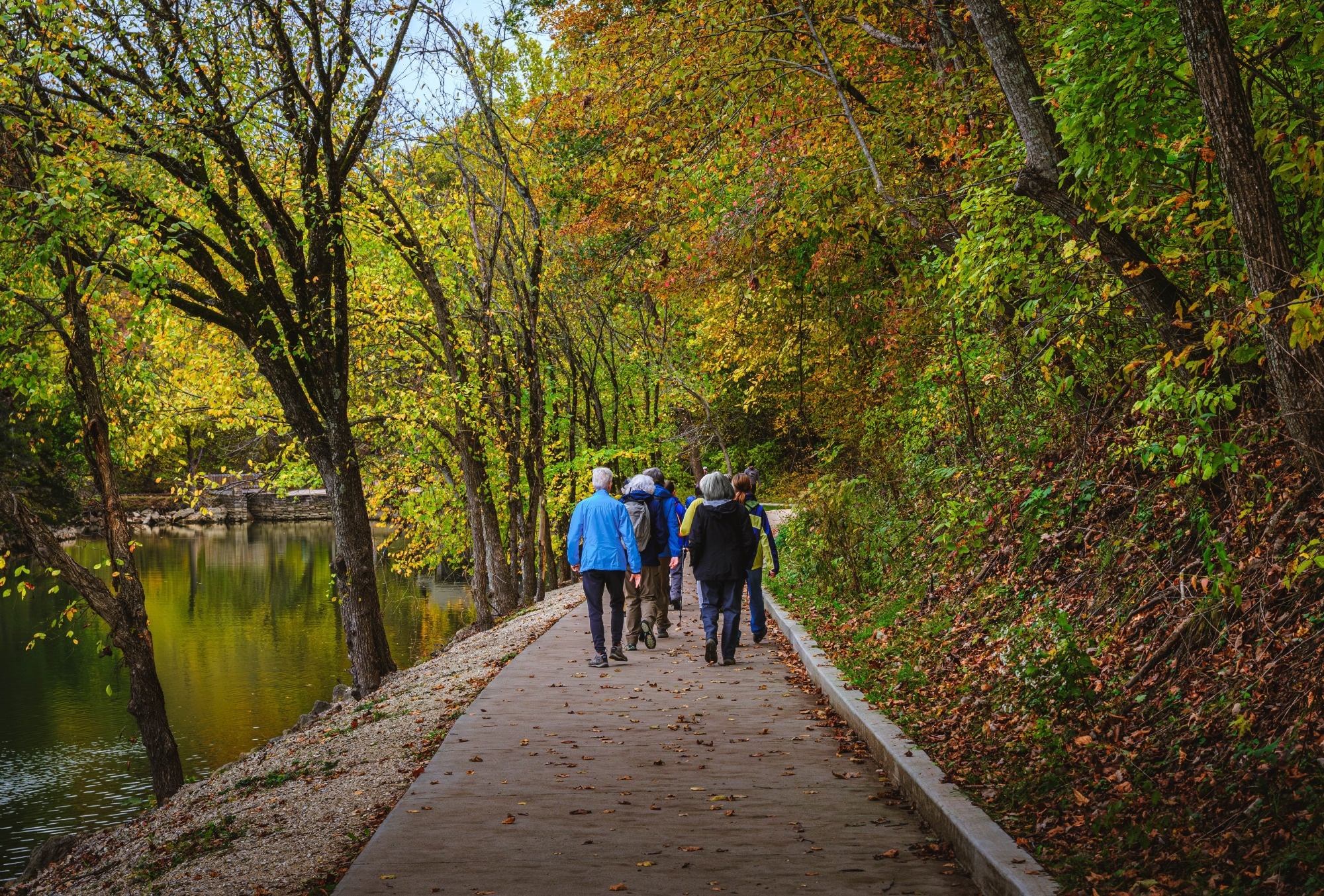
Study: Effectiveness of a nature-based social prescribing intervention on loneliness and health-related quality of life among vulnerable urban adults (RECETAS-BCN): an observer-blinded randomised controlled trial. Image Credit: / Shutterstock
A recent study published in the journal The Lancet Regional Health – Europe examined the effects of nature-based social prescribing on loneliness and health-related quality of life.
Background
Loneliness is a distressing subjective experience that occurs when social relationships fall short of a person's needs or expectations, in number or quality. It is a significant public health problem, especially affecting people facing social and economic disadvantage. In Spain, about one in five residents report experiencing loneliness, and the number of affected people in Barcelona has nearly doubled since 2020, to roughly 100,000. The World Health Organization has called for targeted interventions, better measurement, and stronger community infrastructure to address the issue.
One response is social prescribing, in which health professionals connect people to community-based support rather than relying only on clinical treatment. Nature-based social prescribing (NBSP) is a subtype of this intervention that links people to activities in natural settings. It is based on the premise that contact with nature can foster belonging, social cohesion, and openness to relationships.
The RECETAS Project (Re-imagining Environments for Connection and Engagement: Testing Actions for Social Prescribing in Natural Spaces) conducted the RECETAS-BCN trial to test one such program called Friends in Nature (FiN). It is a facilitator-led group intervention developed from an earlier model, Circle of Friends, which has demonstrated benefits among lonely older adults.
FiN adapted the model in three ways: the target population included lonely adults of all ages, its activities focused on nature-based experiences, and the program was incorporated into social prescribing referral pathways.
According to the authors, this is the first randomized trial of an NBSP intervention for loneliness in Southern Europe, and the first to test NBSP among community-dwelling adults of all ages. The researchers compared the effects of the intervention on loneliness and health-related quality of life with those of the active control arm, which used active signposting.
Study characteristics
The trial took place in 12 socioeconomically disadvantaged neighborhoods in the Barcelona metropolitan area. Participants were adults aged 18 and over who said they sometimes, often, or always experienced loneliness.
They were referred through health centers, community organizations, and similar settings. People with serious illness, major disability, or mental illness that would prevent group participation were excluded.
The 320 participants completed baseline measures and were randomly assigned in equal numbers to two arms:
In the intervention arm (n = 160), groups of 8–10 people met weekly for nine weeks, each led by two facilitators with health or social care backgrounds. Sessions lasted two hours and combined group exercises with outdoor excursions such as visits to parks, gardens, riverbanks, and heritage sites, chosen by participants from locally co-created menus. Each person also had a 30-minute individual interview at the start.
In the active-control arm (n = 160), participants received a 30-minute motivational interview and were given the same menus of local nature activities, so they could pursue them independently of the facilitated group sessions. This approach is known as active signposting.
The trial's two co-primary outcomes were loneliness, measured with the 11-item De Jong Gierveld scale (0–11, higher scores interpreted as lonelier), and health-related quality of life, measured with the 15D questionnaire (0–1, higher scores interpreted as better quality of life). Assessments took place at baseline and at 3, 6, and 12 months, with 3 months as the primary endpoint. Assessment and statistical analysis were conducted by blinded investigators.
Most participants (80%) were female, with a median age of approximately 63 years. At baseline, the median loneliness score was 8, while the median quality of life was 0.78.
Both groups experienced less loneliness
Across the whole sample, loneliness dropped by a model-estimated average of 0.73 points at 3 months, a reduction of about 10.5% relative to the model-estimated baseline score. The estimated decline continued over time, reaching roughly 12% at 6 months and almost 17% at 12 months.
The difference between the two arms at 3 months was small (0.30 points; 95% CI, −0.26 to 0.86) and not statistically significant (p = 0.296). In other words, the facilitated group program did not outperform the active signposting approach overall. Without an inactive comparison group, however, the decline cannot confidently be attributed to the interventions themselves.
No significant change in quality of life
Scores on the 15D quality of life questionnaire did not change significantly across the whole group throughout the study period.
The authors note a ceiling effect, meaning that many participants' baseline scores were already near the top on several items, which limited the scale's ability to detect improvement. For some items, such as vision, improvement was not possible at all.
Possible moderating effect of emotional wellbeing
A post hoc analysis suggested that the relative effectiveness of the group program might depend on the participant’s emotional wellbeing at the start. Because this moderation analysis was exploratory, its findings require confirmation in future trials.
The researchers combined several baseline measures of emotional state (including mood, stress, anxiety, life satisfaction, and happiness) into a single composite score, called the Composite Score of Emotional Wellbeing (CSEW). People with lower CSEW scores appeared to benefit more from FiN than from signposting. The authors also observed greater benefit among participants with higher baseline loneliness, although loneliness severity was not independently tested as a moderator.
Those who had greater emotional wellbeing at baseline had comparable or slightly better loneliness outcomes with the active signposting approach at all assessment points. This suggests that a light-touch option may be appropriate for people with greater baseline emotional wellbeing, while others might benefit from the support of a facilitated group. Future work should test whether emotional wellbeing can help guide referrals to different interventions.
Differences in dropouts between arms
Overall, 31% of participants left the trial: 39% in the control arm and 23% in the intervention arm. Most of the difference occurred before the 3-month assessment (28% versus 14%). The most common reason for leaving in the control arm was disappointment about not being assigned to the group program.
Those who left reported similar loneliness to those who stayed but had better emotional health. The authors adjusted for this in their models and ran additional analyses, which indicated that the results were not substantially distorted by the missing data. However, only 187 of the original 320 participants (58%) provided loneliness measurements at 12 months, warranting caution when interpreting the longer-term findings.
The researchers reported one adverse event, a sprained ankle during a nature walk in the intervention group.
Interpretation
The findings suggest that both interventions were associated with less loneliness and that NBSP is a promising way to connect healthcare systems with community and nature-based resources. The researchers note that previous reviews support combining different approaches to loneliness, although this trial did not establish that the multicomponent FiN program was more effective overall than active signposting.
They suggested several reasons why the lighter control condition performed well. The motivational interview, the recommended activities, and the contact with study staff all gave participants a chance to talk about loneliness and become aware of nature-based opportunities. All of these were active interventions rather than a passive control.
They also contrast their findings with a sister trial in Helsinki. This tested FiN among frail older adults in assisted living and found clear benefits over the control group. The authors point out the differences: that population had poor functional ability and low autonomy, and its control arm spent less time outdoors, which may have increased the benefits of a structured group intervention.
The authors also note that some people do not enjoy group activities and may prefer to experience nature alone. They recommend that programs should be matched to the needs of the participants rather than applied uniformly.
Limitations
The authors acknowledge several weaknesses. Screening for loneliness was based on a single direct question. About 11% of participants did not register as lonely on the full scale, although excluding them did not change the results.
In interpreting the effect, the authors note that no agreed-upon threshold exists for meaningful change in loneliness on this scale, suggesting caution when interpreting the 10.5% reduction at three months.
Most participants were older women, limiting generalizability. There was no inactive control group because the investigators considered it inappropriate to withhold support from vulnerable participants. This makes it difficult to distinguish improvements caused by the specific interventions from those due to time, participation in a study, or regression to the mean.
The participants and facilitators could not be blinded, which might have introduced bias. Dropouts from the active signposting arm were higher, partly due to disappointment over the random assignment. To address this concern, the authors suggest using a waitlist design in future studies to give everyone a chance to participate in the facilitated intervention.
Conclusion
The trial offers preliminary insights into how different approaches might help address loneliness. Exploratory findings suggest that facilitated NBSP programs may offer greater benefit for those who are lonelier and have less emotional wellbeing. This points to the potential value of more nuanced screening and tailored referrals, which require prospective testing.
For many lonely people with higher emotional wellbeing, less intensive active signposting, combined with a short motivational conversation, may be a reasonable alternative to facilitated group sessions, although equivalence between the approaches has not been established.
The authors point out the potential economic advantages of group formats, citing an estimated 13:1 cost ratio for individual versus group therapy from earlier research rather than this trial. The relative cost-effectiveness of FiN and active signposting was not assessed.
Further analyses will examine social health outcomes, the mechanisms behind the observed effects, and how different participant subgroups benefited in different nature settings, drawing on qualitative and process evaluation data.
Source:
Journal reference:
- Coll-Planas, L., Masó-Aguado, M., Briones-Buixassa, L., et al. (2026). Effectiveness of a nature-based social prescribing intervention on loneliness and health-related quality of life among vulnerable urban adults (RECETAS-BCN): an observer-blinded randomised controlled trial. The Lancet Regional Health – Europe. DOI: 10.1016/j.lanepe.2026.101821, https://www.thelancet.com/journals/lanepe/article/PIIS2666-7762(26)00233-4/fulltext
 Leicester's cardiovascular research hub shines spotlight on life-saving innovations