Could what women eat during pregnancy influence their mental health after childbirth? Researchers tracked dietary habits and postpartum depressive symptoms in an Iranian cohort to investigate the potential connections.
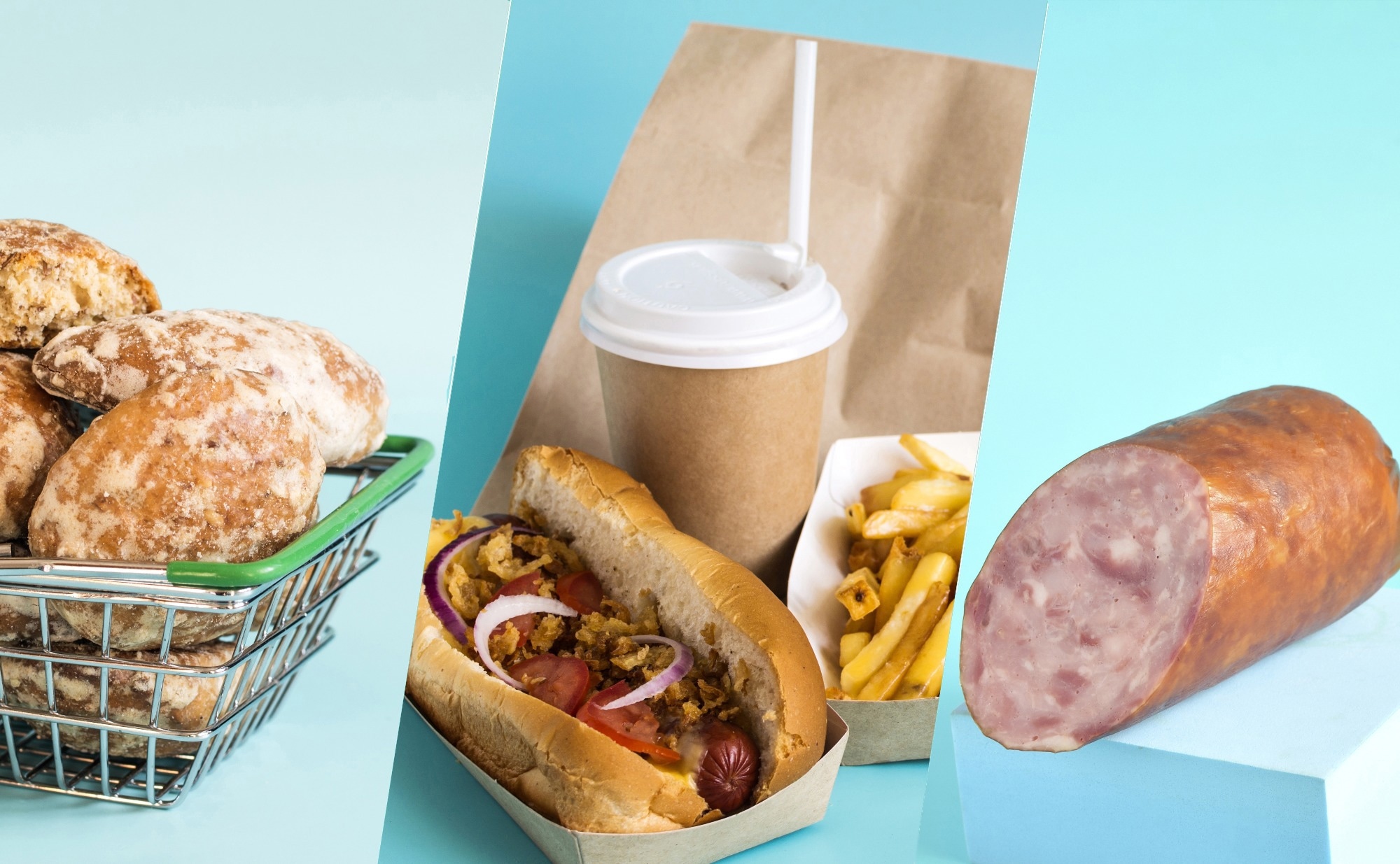
Study: Maternal consumption of red meat and ultra-processed foods during pregnancy and risk of postpartum depression: a prospective cohort study. Image Credit: nau2018 / Shutterstock
In a recent prospective cohort study published in the journal Scientific Reports, researchers examined associations between the consumption of ultra-processed foods (UPFs) and red meat during pregnancy and probable postpartum depression (PPD).
PPD is a prevalent form of major depressive disorder in reproductive-aged females. Its etiology is multifactorial, with a complex interplay among genetic, biological, environmental, and psychosocial determinants. PPD has been linked to sub-optimal child growth trajectories. Maternal nutrition is a potential modifiable factor that may influence PPD susceptibility. Red meat and UPFs have received substantial attention for their potential effects on pathways implicated in depression.
Epidemiological studies have produced mixed findings regarding associations of red meat and UPFs with depression. That is, several studies have found that higher UPF intake was positively associated with depressive symptoms. Meanwhile, evidence on red meat is more heterogeneous, with null, positive, or inverse associations reported in the literature. Studies have investigated this relationship largely in the general population, with limited evidence specific to PPD.
About the study
In the present study, the researchers investigated the associations between UPF and red meat consumption during pregnancy and PPD. The study enrolled pregnant women in Iran from October 2022 to May 2023 using convenience sampling. Eligible participants were aged ≥ 18 years and were in the third trimester of pregnancy with a singleton fetus. Individuals with cancer, hepatitis, autoimmune disorders, psychiatric illnesses, chronic liver disease, severe infections, or abnormal daily caloric intake were excluded.
The food frequency questionnaire (FFQ) was administered in the third trimester to assess dietary intake throughout pregnancy. Daily intake of red meat and UPFs was estimated using reported consumption frequencies and portion sizes. UPFs were classified using the NOVA system, while red meat included beef, lamb, and organ meats. The Edinburgh Postnatal Depression Scale was administered to evaluate depressive symptoms during weeks 4–6 postpartum; a score of 13 or higher indicated probable PPD rather than a clinical diagnosis. Height was measured, pre-pregnancy weight was obtained from records or self-report, and body mass index (BMI) was calculated.
Physical activity was assessed during the third trimester using the Pregnancy Physical Activity Questionnaire. Baseline demographic information was collected at enrollment, while a separate postpartum questionnaire recorded birth outcomes, infant sex, feeding patterns, and neonatal hospitalization or illness. Participants were categorized into tertiles of UPF and red meat intakes.
Baseline characteristics and dietary intake were compared across tertiles. Logistic regression models examined associations between UPF and red meat intake and probable PPD. Model 1 was adjusted for total energy intake, pre-pregnancy BMI, and maternal age. Model 2 was further adjusted for education, socioeconomic status, n-3 fatty acid intake, and gestational diabetes.
Findings
The study included 264 participants from 310 initially enrolled, with a mean age of 30.7 years. Of these, 52 women had probable PPD. Participants in the highest tertile of UPF intake had lower pre-pregnancy body weight and were younger. Gestational diabetes and pre-pregnancy overweight or obesity were more prevalent in the lowest UPF intake tertile.
Women in the highest tertile of red meat consumption had higher socioeconomic status and education. Those with increased red meat intake had significantly higher consumption of saturated fatty acids, vitamin B12, fish, total protein, docosahexaenoic acid, eicosapentaenoic acid, and zinc.
Women with increased UPF consumption had higher intake of saturated fatty acids and total energy. Those with lower UPF intake consumed more whole grains, vitamin B1, protein, and vitamin B9. The researchers found no significant associations between UPF or red meat intake and probable PPD in any model. The estimates were imprecise, so potentially meaningful associations could not be ruled out.
Conclusions
Overall, the study observed no significant associations between maternal intake of UPFs or red meat in pregnancy and probable PPD. The study's limitations include its use of an FFQ (which may lead to recall inaccuracies), lack of separate dietary assessments during earlier trimesters and repeated lifestyle measurements, reliance on a screening questionnaire to assess PPD instead of a clinical diagnosis, assessment of depressive symptoms only four to six weeks postpartum, and the lack of assessment of antenatal anxiety and depressive symptoms. The modest sample size, convenience sampling, potential residual confounding, and inclusion of organ meats in the red meat category also limit interpretation. Larger prospective studies are required to clarify these results.
Source:
Journal reference:
- Mahjourian MM, Daneshzad E, Tabaeifard R, et al. (2026). Maternal consumption of red meat and ultra-processed foods during pregnancy and risk of postpartum depression: a prospective cohort study. Scientific Reports. DOI: 10.1038/s41598-026-79339-8, https://link.springer.com/article/10.1038/s41598-026-79339-8
 Children's brain reward responses may explain ultra-processed food-related weight gain