The University of Oxford and Boston Children’s Hospital, with collaboration from The Jackson Laboratory and N=1 Collaborative, have been selected to establish a new Genetic Medicines Hub, one of six research hubs within the Aligning Research to Impact Autism (ARIA) ecosystem. The Genetic Medicines Hub is a collaborative research effort led by the University of Oxford and Boston Children’s Hospital, that is developing a scalable platform to design, test, and accelerate genetic medicines, including antisense oligonucleotide (ASO) therapies, for children with specific genetic disorders causing neurodevelopmental disorders (NDDs), including profound autism. The $46M multi-year commitment brings together leading expertise in genomics, neuroscience, and translational medicine.
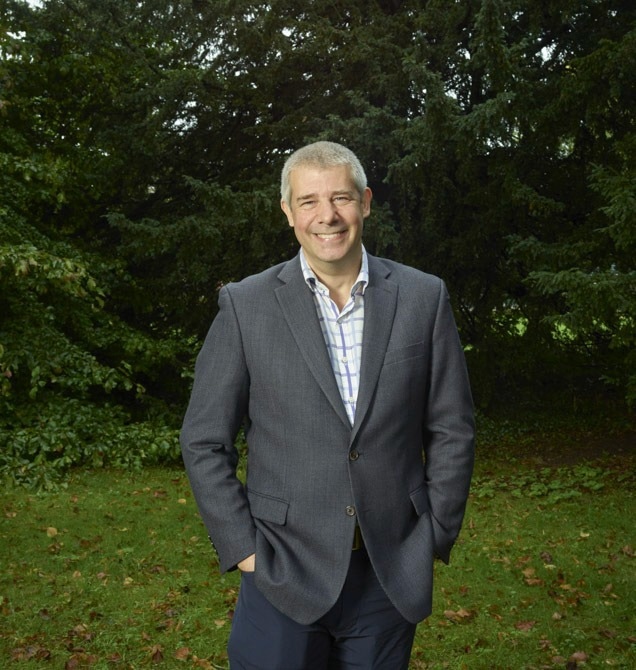 Stephen Sanders. Image Credit: University of Oxford
While advances in genetic sequencing have rapidly increased understanding of the biological basis of many neurodevelopmental conditions, translating these discoveries into scalable therapeutic strategies remains a significant challenge. ARIA is leading the way in an effort to address this critical bottleneck in the field.
At the core of the program is the development of a platform-based approach to genetic medicines, focused initially on antisense oligonucleotides (ASOs), which are short, synthetic molecules that can be designed to interact with RNA and modify gene expression. ASOs have been used to successfully treat disorders of the central nervous system, offering an opportunity for rapid translation.
Rather than pursuing one condition at a time, the Genetic Medicines Hub will establish systematic methods to design, test, and optimize these molecules across multiple genetic targets. This approach is intended to improve efficiency, reduce duplication, and enable progress across a wider range of rare conditions.
The program will initially focus on a set of genes associated with NDDs, including ARID1B, CHD2, GRIN2B, RNU4-2, SCN2A, and SLC6A1, working hand-in-hand with another research hub, the ARIA IMPACT Network and gene-specific Patient Advocacy Groups.
The Genetic Medicines Hub will combine cutting-edge experimental and computational capabilities, including:
- High-throughput laboratory systems to scale molecular testing
- Novel screening approaches to assess biological impact at the protein level
- AI-informed design tools to optimize candidate molecules
- Integrated data platforms to enable sharing of results, protocols, and insights
Together, these elements are designed to create a reproducible, scalable pipeline for genetic medicine development and to generate a shared resource for the wider research community.
The Hub brings together complementary strengths across Boston Children’s Hospital, the University of Oxford, The Jackson Laboratory and N=1 Collaborative, combining expertise in human genetics, functional genomics, clinical research, and therapeutic development.
Stephan Sanders, Professor of Pediatric Neurogenetics at the Department of Paediatrics in the University of Oxford, said: “This program represents a step change in how we approach developing genetic medicines. By building a platform that can be applied across multiple genes, we can move beyond fragmented efforts and begin to scale our impact. Importantly, this work is grounded in collaboration and open science, ensuring that the knowledge generated benefits the broader community.”
Tim Yu, Associate Professor of Pediatrics at the Boston Children’s Hospital, added: “Genetic neurodevelopmental disorders have long faced a bottleneck between gene discovery and therapeutic development. By uniting world-class teams and building a shared, transparent blueprint for ASO innovation, we aim to make that bottleneck disappear. This Genetic Medicines Hub will allow us to move from scientific insight to actionable therapies with unprecedented speed - and to do so in a way that benefits the entire field.”
For rare disease patients, the biggest barrier has never been scientific ambition, it's been data. JAX has built its rare disease mission around open, deeply annotated genomic resources, and this collaboration is a direct extension of that commitment, ensuring rare conditions have the depth of evidence needed to drive genetic medicine development forward.”
Cat Lutz, Vice President of Rare Disease Translational Center, The Jackson Laboratory
Nicole Nolen, Executive Director of N=1 Collaborative, said: “Reaching more patients requires more than advancing individual programs - it requires a field that learns together. This collaboration creates an opportunity to turn what is learned into shared approaches that can be adopted and built upon across the community.”
Together, the teams aim to develop safe and effective ASO therapies for several NDDs while establishing a sustainable framework for advancing genetic medicines across a much wider range of conditions.
 East Anglian Air Ambulance proves rapid pre-hospital blood test can diagnose brain bleeds in minutes