AI-generated food can look convincing enough for nutritional judgments, but realism still matters when it comes to making people want to eat it.
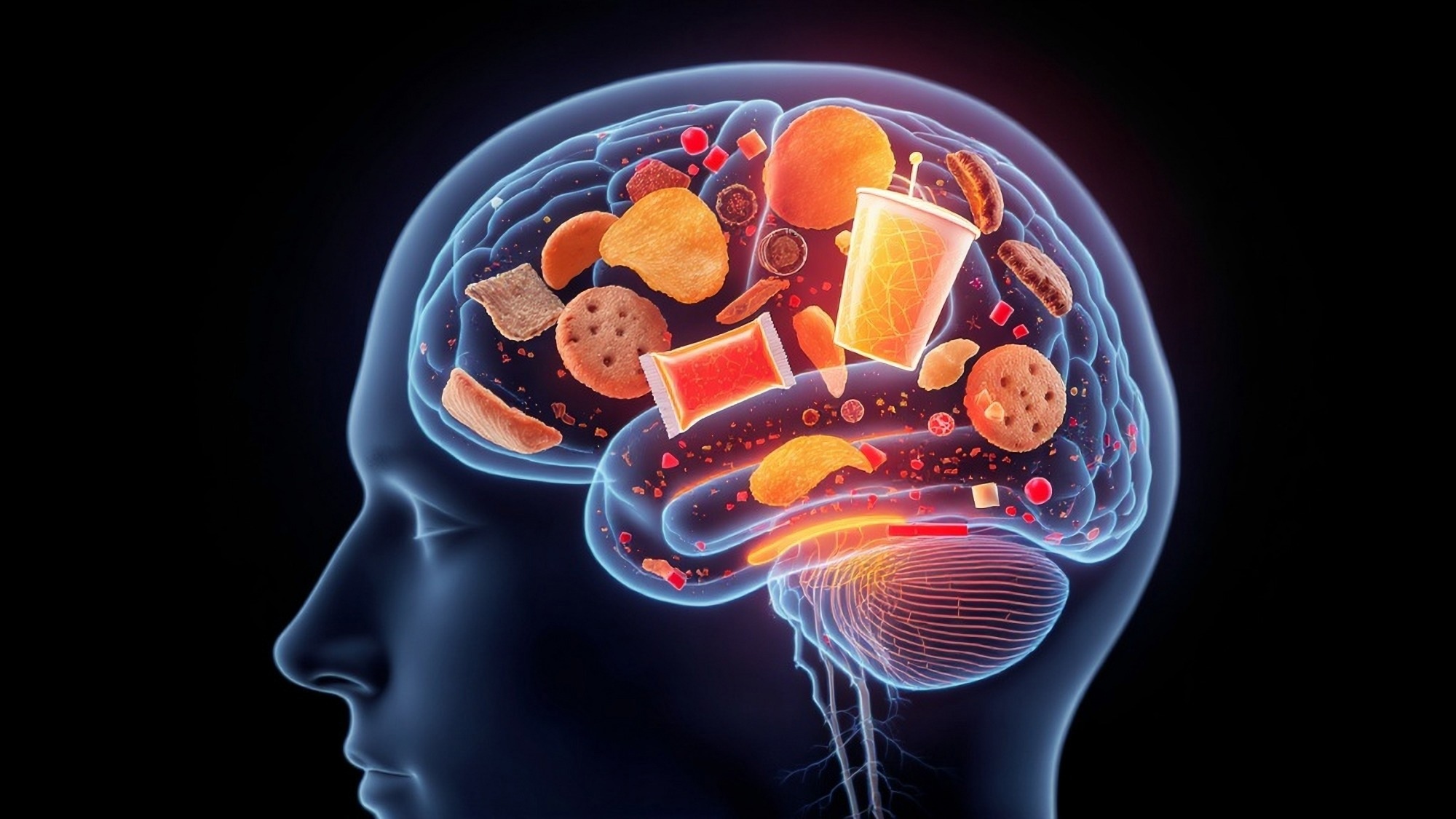
Study: AI-generated food stimuli match real counterparts in perceived healthiness and calorie content but not in realism or willingness to eat. Image Credit: Shutterstock Gen AI / Shutterstock
A new study published in the journal Scientific Reports reveals that people perceive artificial intelligence (AI)-generated food images as similar to real food visuals in terms of perceived calorie content and healthiness; however, they find these AI images less realistic and report lower willingness to eat the depicted foods.
Background
Visual illustrations of foods are widely used in research as stimuli to evaluate appetite responses, cognitive processing, and eating behaviors. However, standardized databases comprising food images with validated food properties and ratings have shortcomings, such as small numbers of images or limited variability.
As a potential solution, AI-based image generators have been developed to create realistic synthetic content, which is widely available on social media and already used in marketing and advertising.
Generative AI can effectively create visual food stimuli with a wide range of characteristics, including naturalness, healthiness, portion, texture, and plating style. In contrast, it is difficult to achieve such controlled variety with real food images.
These advantages of AI-generated food images highlight the need for validating their usability in research as potential alternatives to real food images. The current study aimed to compare the effectiveness of AI-generated food images and pre-validated real food images in evoking participants’ perceptions across four dimensions: realism, willingness to eat, calorie content, and healthiness.
These four dimensions were selected to evaluate the perceived authenticity of image origins (realism), appetitive responses (willingness to eat), and cognitive inferences about a food's nutritional properties (calorie content and healthiness).
Key findings
The study included 87 participants who rated 60 pairs of AI-generated and real food images across four dimensions.
The ratings indicated that AI-generated food images were perceived as significantly less realistic and elicited lower willingness to eat compared with their real counterparts. However, the ratings of healthiness and calorie content did not differ significantly between the two image types at the study's corrected significance threshold.
The moderator analysis showed that differences in perceived realism ratings between AI and real images significantly predicted differences in healthiness and willingness-to-eat ratings, but not in calorie-content ratings.
Among 14 AI images that were rated more realistic than their real counterparts, 11 were associated with higher willingness to eat ratings compared to their real counterparts. However, this pattern was less clear for healthiness ratings.
Overall, these findings indicate that hyperrealistic food images generated by AI tend to have higher relative willingness-to-eat ratings, although the study cannot establish that greater realism causes this response.
Study significance
The study finds that AI-generated food images elicited lower willingness to eat than real food images and were also rated as less realistic. Notably, the study reveals that the more realistic an AI food image looks compared to its real counterpart, the healthier and more appealing it tends to appear, although these relationships are associative rather than causal.
These findings indicate that the previously reported AI hyperrealism effect in AI-generated faces was not replicated in food images in this study. In other words, previous research has found that some AI-generated faces can be perceived as more realistic than real faces, whereas the curated AI-generated food images in this study were rated as less realistic on average than their real counterparts.
This difference in perception may relate to the cognitive psychology concept of face space, which proposes that the human brain stores and recognizes faces within an abstract, multidimensional mental map. Within this framework, prototypical or average faces are represented closer to the center of the face space.
Generative AI models may exploit this prototypicality, potentially increasing perceived realism and attractiveness in faces. However, a food equivalent for face space has never been established, and there is no evidence that foods are represented by an analogous prototype structure. The authors therefore suggest that AI hyperrealism may depend on domain-specific processing mechanisms rather than operating universally across image types.
Although AI food images were less realistic overall, 14 of the 60 AI images were rated as more realistic than their matched real counterparts. Identifying such hyperrealistic images through pre-validation may therefore be important in clinical research, where carefully selected AI-generated food images could serve as alternatives to real food stimuli for studying appetite and eating disorders.
Hyperrealistic AI food images could also have applications in food-delivery apps or online grocery stores, where they might influence consumers’ perceptions of healthiness or desirability. AI-driven image optimization algorithms, commonly used to refine lighting, texture, or color saturation, may influence consumers’ perceptions of realism or their willingness to eat. However, because AI-generated images are, on average, less realistic, automated enhancement may also backfire if realism is not assessed first.
These findings, however, raise questions about the ethical deployment of AI-generated visual food stimuli in advertising, public health messaging, and menu design. Food manufacturers or restaurants could use hyperrealistic AI images to make food items appear more appealing or healthier, even when the actual nutritional profile does not support such impressions. Conversely, public health campaigns could potentially use hyperrealistic depictions of healthy foods to encourage more favorable evaluations. This highlights the need for transparency about the use of AI-generated food imagery, particularly because recognizing an image as synthetic may reduce its perceived realism and persuasive impact.
An important limitation is that the AI-generated images were deliberately curated. Images containing structural artifacts were regenerated, and the selected stimuli were subsequently screened for recognizability and detectability in a pilot study. The authors note that this selection favored relatively realistic, artifact-free AI images, meaning the observed difference in realism may underestimate the difference seen with unfiltered AI-generated food images.
The study employed fixed-order rating scales. There remains a possibility of carry-over effects from the realism rating onto subsequent evaluations of healthiness and willingness to eat. Future research should consider randomizing the order of ratings or counterbalancing rating scales. The standardized gray backgrounds used for all stimuli may also limit generalizability to richer settings such as restaurant menus, social media, and food-delivery platforms.
 Fast food is crowding out grocery access across the U.S.