A simple cocoa-based intervention taken just before long periods of sitting can help preserve blood vessel function in both the arms and the legs. This highlights a practical nutritional strategy to counter the hidden cardiovascular risks of modern sedentary life.
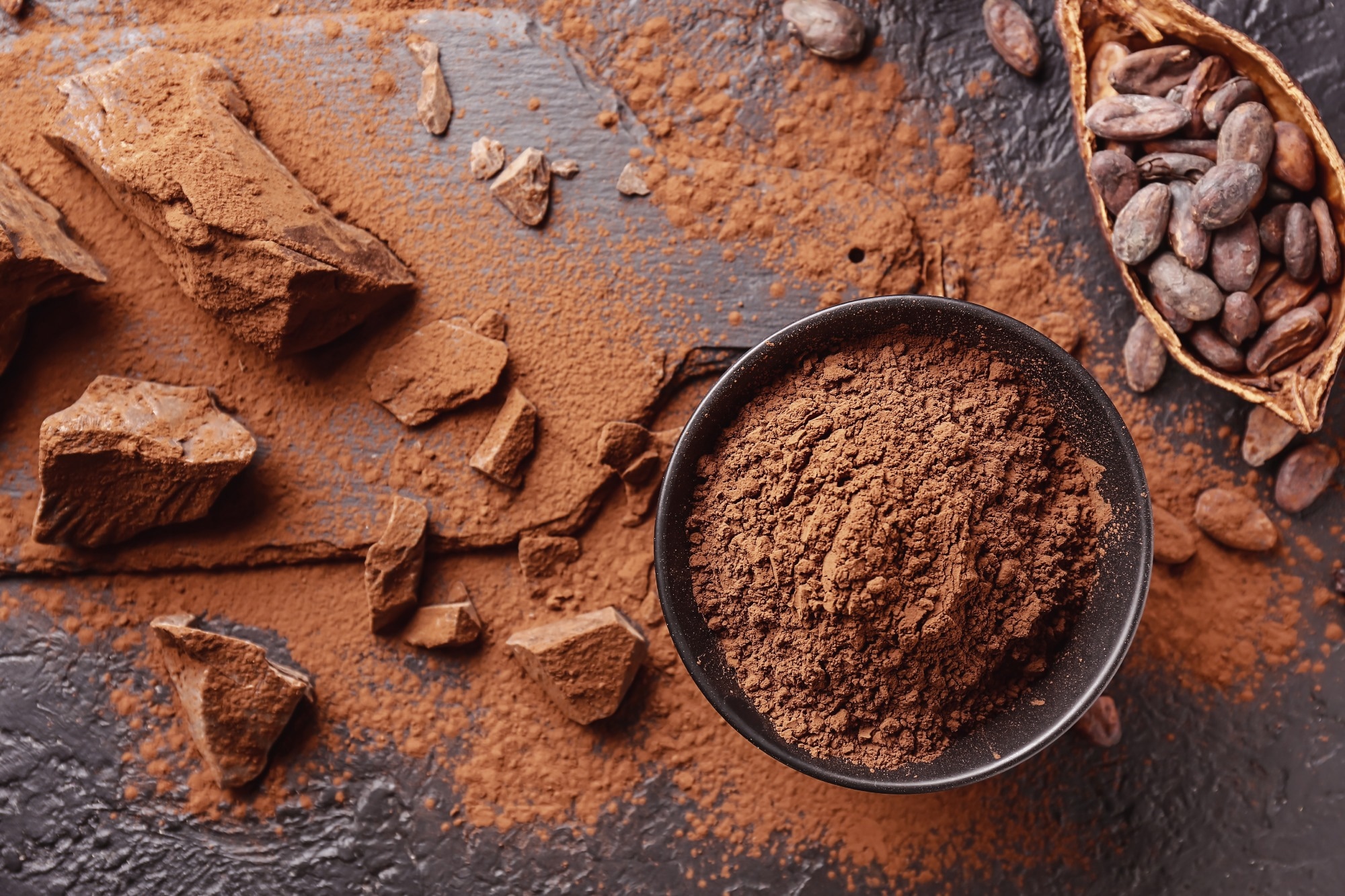 Study: Dietary flavanols preserve upper- and lower-limb endothelial function during sitting in high- and low-fit young healthy males. Image credit: Pixel-Shot/Shutterstock.com
A recent study in the Journal of Physiology investigated whether acute intake of cocoa flavanols before prolonged uninterrupted sitting is beneficial for preserving endothelial function in the lower-limb superficial femoral artery (SFA) and upper-limb brachial artery (BA) in high- and low-fit young healthy men.
Sedentary behavior and its effect on endothelial functions
Sedentary behavior refers to any waking activity that involves very low energy expenditure, such as sitting, reclining, or lying down. Prolonged sedentary time is positively linked with increased all-cause mortality and is a risk factor for several chronic health conditions, including cardiovascular diseases (CVDs). In recent years, sedentary behavior has become increasingly common. Over the past two decades, the average sitting time among young adults in the US has risen from approximately 5.5 to 6.5 hours per day.
The endothelium is the inner lining of blood vessels that regulates blood flow, inflammation, and clotting, while also maintaining vessel health. It releases substances, such as nitric oxide (NO), that promote vasodilation. Impaired endothelial function leads to narrowing of blood vessels, inflammation, and increased clotting, significantly enhancing health risks. Experimental studies in humans have demonstrated that prolonged, uninterrupted sitting adversely affects endothelial function in young, healthy adults.
Researchers commonly assess endothelial function using flow-mediated dilatation (FMD), a non-invasive ultrasound technique that measures NO-dependent vascular responses in peripheral conduit arteries. A few hours of continuous sitting can significantly reduce FMD in young adults, especially in the lower limb arteries. The decrease in lower-limb FMD induced by sitting ranges from 1.75 % to 2.51 %, depending on the artery studied.
Compared to the general population, athletes may be less susceptible to sitting-induced vascular impairment. Scientists have hypothesized that individuals with greater cardiorespiratory fitness experience smaller declines in vascular function after prolonged sitting. However, evidence on this matter is limited and inconsistent.
Nutritional strategies to improve endothelial functions
Few nutritional strategies have been studied to counteract the vascular effects of prolonged sitting. For instance, vitamin C and beetroot juice may help protect lower-limb vascular function during extended sitting. Therefore, healthy food choices during sedentary periods could be an effective way to reduce the negative impact of sitting on vascular health.
Previously conducted randomized controlled trials have confirmed that flavonoid-rich foods, such as berries, cocoa, and citrus, improve endothelial function both acutely and over the longer term. Although regular cocoa flavanol intake has been shown to improve endothelial function, its effect on cardiorespiratory fitness remains unclear.
The current randomised, counterbalanced, double-blinded, placebo-controlled, crossover intervention study examined whether cocoa flavanols, consumed immediately before the onset of uninterrupted sitting, could prevent sitting-induced declines in endothelial function, as measured by FMD, in both the superficial femoral and brachial arteries of high- and low-fit young men.
Young, healthy male adults from the University of Birmingham and the surrounding community were recruited. All participants were aged 18-34 years and were categorised as high fit (HF) or low fit (LF) based on peak oxygen consumption.
Participants fasted for at least 12 hours before each experimental session and avoided caffeine, alcohol, polyphenol-rich foods, and physical activity above light intensity for 24 hours. Polyphenol-restricted diets were maintained. During 2 hours of uninterrupted sitting, participants were asked to consume either a high- or low-flavanol cocoa beverage. After the experimental session, all baseline parameters, along with aerobic capacity, were remeasured.
SFA FMD was assessed as the primary outcome, with BA FMD, resting shear rate, blood flow, and blood pressure (BP) evaluated as secondary outcomes before and after sitting.
Cocoa flavanols intake improves endothelial functions
Participants in both HF and LF groups had similar heights and ages. High-fit participants had lower weight, body mass index (BMI), diastolic blood pressure (BP), and heart rate, as well as higher aerobic fitness. Seven-day-averaged accelerometry data showed that HF participants engaged in more vigorous activity and had higher step counts than low-fit participants. However, both groups had similar light and moderate activity and sedentary time.
Dietary analysis indicated that both groups consumed similar amounts of flavonoids, macronutrients, fruit, and vegetables. High-fit participants had higher fibre intake. In the HF group, only 35.3 % were below the recommended daily intake of fruit and vegetables compared with 66.7 % in the LF group.
Sitting reduced anterograde shear rate and blood flow in both BA and SFA arteries, regardless of flavanol intervention and fitness status. Retrograde measures in either artery remained unchanged with sitting, flavanol intervention, or fitness. More specifically, LF participants exhibited higher anterograde shear rates in both arteries, but anterograde blood flow was similar between groups. HF individuals had a smaller reduction in BA shear rate during sitting. Flavanol intake and fitness did not affect blood flow or arterial diameter, except for a Flavanol × Fitness interaction in BA.
Sitting reduced FMD in both BA and SFA only after low-flavanol cocoa; however, no declines occurred after high-flavanol cocoa. Post-sitting, FMD was higher following high-flavanol cocoa intake than following low-flavanol cocoa, with no baseline differences between interventions. Allometrically scaled FMD showed similar results: sitting reduced FMD after low-flavanol but not high-flavanol cocoa intake. Post-sitting FMD was higher after high-flavanol cocoa. Fitness did not influence these effects.
Sitting led to significant declines in leg muscle oxygenation (TOI) at rest and during both ischaemia and reperfusion, as well as reductions in maximum oxygenation, reperfusion magnitude, and recovery slope. However, fitness level did not affect these changes, although high-fit individuals generally had lower oxygenation values. In the low-fit group only, a small interaction was observed, whereby the low-flavanol intervention resulted in a smaller decline in certain oxygenation metrics than the high-flavanol intervention; however, no differences were observed 2 hours post-sitting or during reperfusion. Throughout the 2-hour sitting period, declines in oxygenation were observed with both cocoa interventions, and nTHI (a measure of total haemoglobin content) increased in both fitness groups, with different time courses depending on fitness level.
High-fit individuals had lower overall oxygenation and higher baseline nTHI, and fitness influenced the pattern of nTHI changes during sitting. Blood pressure results showed no change in systolic BP, but diastolic BP increased in both groups after sitting, regardless of intervention. Heart rate decreased after sitting, with low-fit individuals exhibiting higher diastolic BP and heart rate than high-fit participants.
Conclusions
This study revealed that consuming dietary flavanols just before a prolonged sitting period preserves endothelial function in upper- and lower-limb arteries but does not enhance muscle microvascular function in young, healthy men of varying fitness levels. Both high- and low-fit individuals benefited equally, indicating that physical fitness does not protect against vascular impairments from sitting, nor does it alter the benefits of flavanol intake.
Given the widespread sedentary behavior among young people, incorporating high-flavanol foods, such as tea, cocoa, berries, or apples, during sitting may complement physical activity to help reduce vascular dysfunction. Future research should determine the optimal duration and dose for flavonoid protection, and whether combining different flavonoid-rich foods can enhance these effects during extended periods of sitting.
Download your PDF copy now!
 Intermittent fasting edges daily calorie cuts for blood pressure and long-term cardiovascular risk estimates