Large national surveys reveal that suspected spiking extends beyond nightlife stereotypes, while low police reporting, limited awareness, and persistent health effects leave many experiences hidden from view.
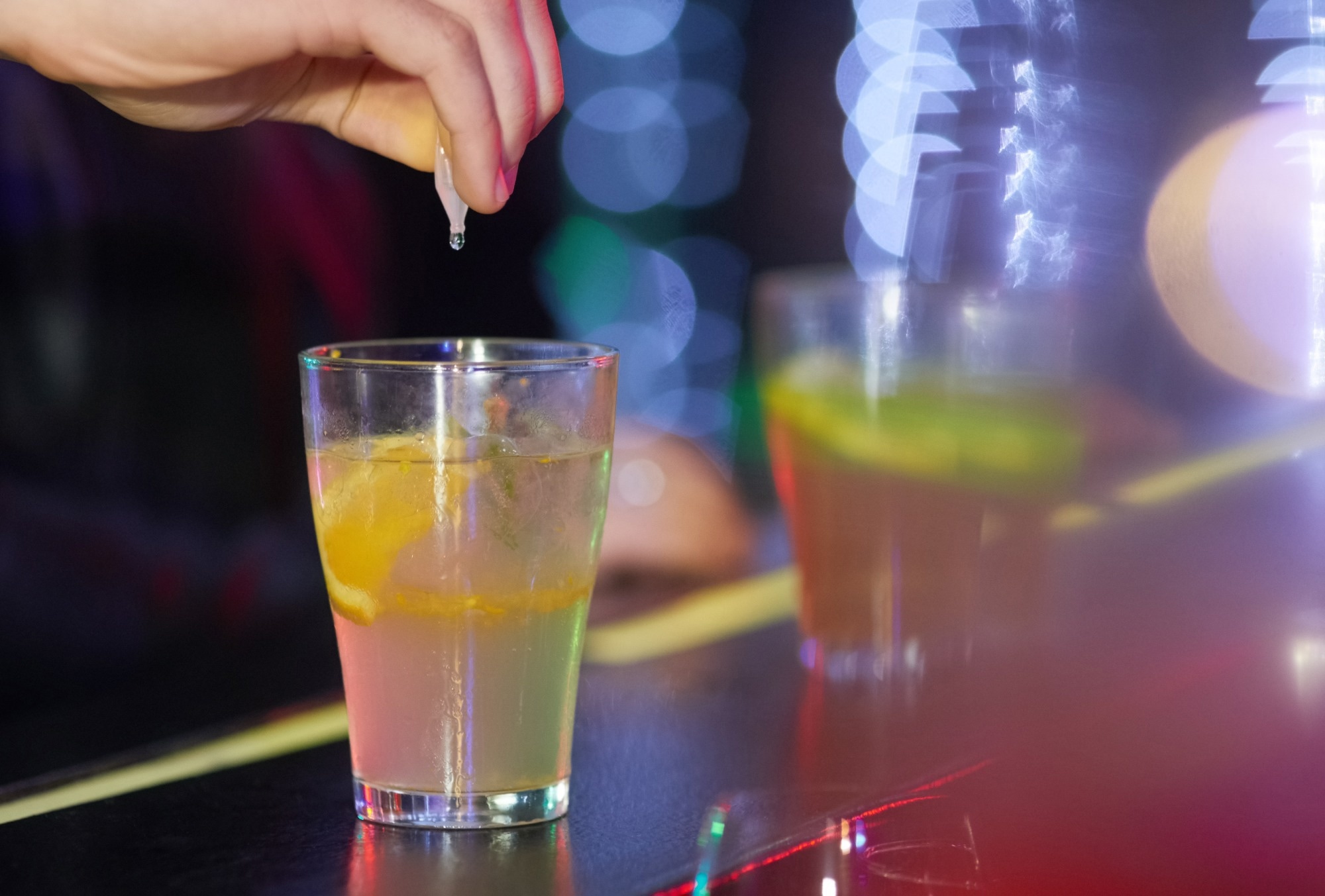
Study: Understanding drink spiking and needling experiences and reporting in the UK. Image Credit: PeopleImages / Shutterstock
A recent study in the journal Scientific Reports examined self-reported suspected drink spiking and needling in the UK, public awareness and perception of these events, and their associated psychological and physical sequelae.
Background
Drink spiking refers to the addition of alcohol and/or drugs to a drink without the intended consumer’s consent or knowledge. When injected drugs are involved, it is called needling.
Though drink-spiking incidents have been reported from the end of the 19th century, needling is a more recent phenomenon. According to police data, women comprised about 74% of reported spiking victims.
From September 1, 2021, to August 31, 2022, police reports in England and Wales recorded 2,581 needling incidents and 2,131 drink-spiking incidents between May 1, 2022, and September 1, 2022.
Underreported amid rising police reports
A 2022 Home Affairs report cited a 2021 YouGov survey in which 11% of women and 6% of men reported having been victims of spiking. However, the Vice President of the Royal College of Emergency Medicine questioned prevalence estimates, citing a lack of reliable data, as toxicological reports were negative in most alleged spiking cases where testing had been performed.
The authors from Anglia Ruskin University, United Kingdom, suggest that this may be due to a combination of factors, including rapid drug clearance, drug-induced amnesia, and delayed reporting.
Moreover, studies of drug-facilitated sexual assault (DFSA) indicate that alcohol plays a more predominant role than other drugs, with drugs other than alcohol detected in only 2% of analyzed samples in one cited UK study, a pattern also observed internationally.
Suspected spiking can be difficult to corroborate, especially because added alcohol is difficult to distinguish from alcohol consumed voluntarily, while toxicology cannot necessarily establish whether drug or alcohol consumption was voluntary or involuntary.
Blood and urine samples need to be collected within 24 hours and 96 hours, respectively, for optimal detection, since most drugs used in spiking are rapidly metabolized and eliminated from the body.
Additionally, in UK Accident and Emergency departments, toxicology testing is performed only if clinically indicated in people presenting with suspected drink spiking, and some drugs are not routinely tested for. However, the authors also caution that symptoms attributed to spiking can sometimes reflect alcohol intoxication, voluntary drug use, illness, or other conditions.
Most victims who had reported previous spiking to the police said they had a bad experience and that “nothing happened as a result”. Other victims said they feared they would not be taken seriously. Conviction rates for spiking are low, with fewer than 100 convictions a year.
Taken together, these factors contribute to the low rates of reporting of this crime, with 92% of 16-25-year-olds who believed their drinks were spiked not reporting the incident to the police.
While some studies suggest that illicit drug use, higher-risk alcohol consumption, and recent clubbing are associated with an increased likelihood of self-reporting a spiking experience, these factors relate to reported victimization rather than police reporting behavior. Separately, qualitative research indicates that victims may be reluctant to go to the police for fear of being judged.
Few studies have included diverse populations, resulting in a poor understanding of the factors associated with such experiences and their impact on victims. The current study sought to advance this understanding and provide evidence on how victims experienced suspected spiking, including those in ethnic and sexual minorities.
Study characteristics
The researchers analyzed data from the 2022 and 2023 Drinkaware Monitors, annual surveys conducted by the Drinkaware Charity. The analysis included responses from 6,318 UK participants in 2022 and 10,473 participants in 2023.
The findings highlighted important gaps in public awareness and understanding of spiking. In 2022, only 41% of participants understood the term "needling," compared with 91% for "drink spiking."
In the 2022 survey, self-reported lifetime spiking experiences outnumbered needling experiences by a factor of eight, at 710 versus 89, respectively. The authors note that this may partly reflect the fact that needling is a newer phenomenon.
In 2023, almost the same proportion of participants (approximately 2%) said they thought they had experienced drink spiking within the preceding year, as said they were not sure. However, there were twice as many “not sure” responses as “yes” responses for needling.
Past-year drink spiking experiences in 2023 were associated with age, ethnicity, and sexuality, but not with gender or gender identity. In an intersectional analysis, LGBTQ+ women and men had lower odds of reporting drink spiking than heterosexual women. Separately, White LGB individuals were more likely to report such experiences than White heterosexual participants.
Reports of needling were not significantly different between heterosexual women and any other gender-sexuality subgroup, though the authors point out that the small sample sizes in these groups could have limited the ability to detect differences.
Both White LGB and Mixed/Multi-ethnic heterosexual subgroups had higher odds of reporting needling than White heterosexual participants in the ethnicity-sexuality analysis. No LGBTQ+ individuals were present in the Asian, Black, or Mixed/Multi-ethnic analytic subgroups, preventing reliable estimates for these groups.
Drink spiking locations - 2022 and 2023
In 2022 and 2023, most reported spiking incidents occurred in bars, followed by clubs, both overall and for White participants, accounting together for about 69%–80% of cases.
Among ethnic minority participants, in contrast, clubs were the most common location for drink spiking (40% of incidents), followed by social events at 20%, with bars and private homes each at approximately 17%. Workplaces were reported in about 13% of cases.
Needling locations - 2022 and 2023
In 2022, needling events most often occurred in bars (~27%), followed by clubs, social events, private homes, and universities, at ~12-14% each. For ethnic minority participants, private homes and bars accounted for approximately 19% each, with clubs being reported at ~15%. The authors note that needling was therefore not confined to night-time economy venues.
In 2023, clubs were the leading location for needling at 24%, with bars and family events at 21% each. Needling at universities and at work accounted for ~18% and ~17%, respectively.
Among men, needling occurred at family events in almost a third of cases (~30%). About 20% of women did not want to disclose the location, versus 6.5% of men.
Post-spiking outcomes
In 55% of cases, respondents reported that no further incident occurred after the suspected drugging. However, secondary offenses and harms were reported across demographic groups.
Men were more likely to report theft, pranks, and blackmail than females, following spiking. About 4.4% of men and 3.8% of women reported being raped after suspected spiking, while 6% of men and 10% of women, respectively, reported sexual assault.
Outcomes among minority groups
Among sexual minority participants, 23.5% of respondents reported post-spiking sexual assault versus 5.4% of heterosexuals. Among transgender participants, 16.7% reported sexual assault and 25% said they were harassed after spiking or needling.
Among ethnic minority participants, 9.5% reported sexual assault, 9.5% rape, and 19% harassment, compared with 7.9%, 3.7%, and 2.5%, respectively, among White participants. The small numbers in some minority groups warrant cautious interpretation.
Relationship to perpetrator
About a quarter of participants who believed such an incident had happened knew who was responsible. Among respondents who identified the perpetrator, acquaintances were more likely to be named (23.5%) than coworkers or partners, except among ethnic minority participants, where work colleagues and partners were each named by 30% of those in the relevant subgroup. This suggests that public messaging should not focus exclusively on the risk posed by strangers.
Incident reporting
Of the 748 who reported such experiences in the 2022 survey, only 52 (7%) said they reported the incident to the police. Most were White, and all were cisgender. Among participants who had not themselves reported experiencing spiking or needling, hypothetical willingness to report depended strongly on the outcome: rape, sexual assault, robbery, blackmail, harassment, and intimidation were more likely to prompt police reporting, whereas fewer than 45% said they would report a prank.
Among the reasons for not reporting, half the participants thought it pointless, though most told a friend, family member, or other close confidant. Overall, about 14% reported mental or physical problems following the incident, versus 28% of sexual minority respondents and 33% of ethnic minority participants.
Symptoms described included post-traumatic stress disorder (PTSD), paranoia, depression, anxiety, and difficulties in building relationships, with some respondents describing effects persisting for decades. Several participants described torn ligaments and tendons, broken fingers, a split lip, bruising, sore shoulders, and hospitalization. About 40% of those reporting physical or mental health problems sought medical help.
The authors also note that the Crime and Policing Act 2026 established spiking as a stand-alone criminal offense in the UK, receiving Royal Assent on April 29, 2026.
Awareness
In 2022, among participants who had not previously reported experiencing spiking or needling, only 25% knew what to do if a spiking incident were to occur, while 33% said they would be very careful and 23% somewhat careful in a club or bar. In 2023, 36% of all participants said they knew what to do if they or their friend’s drink was spiked, but only 21% for needling.
Limitations
The surveys collected self-reported experiences that could not be confirmed. Some suspected incidents may therefore have reflected alcohol intoxication, voluntary drug consumption, illness, or other conditions with similar symptoms, potentially overestimating the number of spiking events. Conversely, negative toxicology cannot exclude spiking when samples are collected late, substances are rapidly eliminated, or relevant drugs are not included in testing panels. Better methods for identifying and collecting evidence of suspected spiking need to be developed.
Conclusion
The findings support the common view that drink spiking is substantially under-reported by victims. Without confirmatory testing, it is impossible to establish the true prevalence, but police reports relating to such cases increased substantially in the years preceding the surveys.
There were differences across ethnic and sexual orientation groups, but the psychological impact of suspected spiking could be substantial and persistent irrespective of the reported outcome of the incident.
“Greater awareness, improved reporting mechanisms, and accessible support services may help address existing barriers, while future research should seek to better understand the experiences of underrepresented groups and evaluate interventions designed to improve outcomes for victims.”
 Blood circRNAs may predict Alzheimer’s before symptoms emerge