Introduction
Siberian ginseng and its bioactive components
How Siberian ginseng modulates inflammatory signaling
Neuroprotective and cognitive benefits
Adaptogenic effects on stress and metabolism
Safety profile and clinical considerations
References
Further reading
From its traditional use for fatigue and weakness to modern research on inflammatory pathways, metabolism, and neuroprotection, eleuthero is emerging as a biologically intriguing adaptogen whose promise remains to be substantiated by stronger clinical evidence.
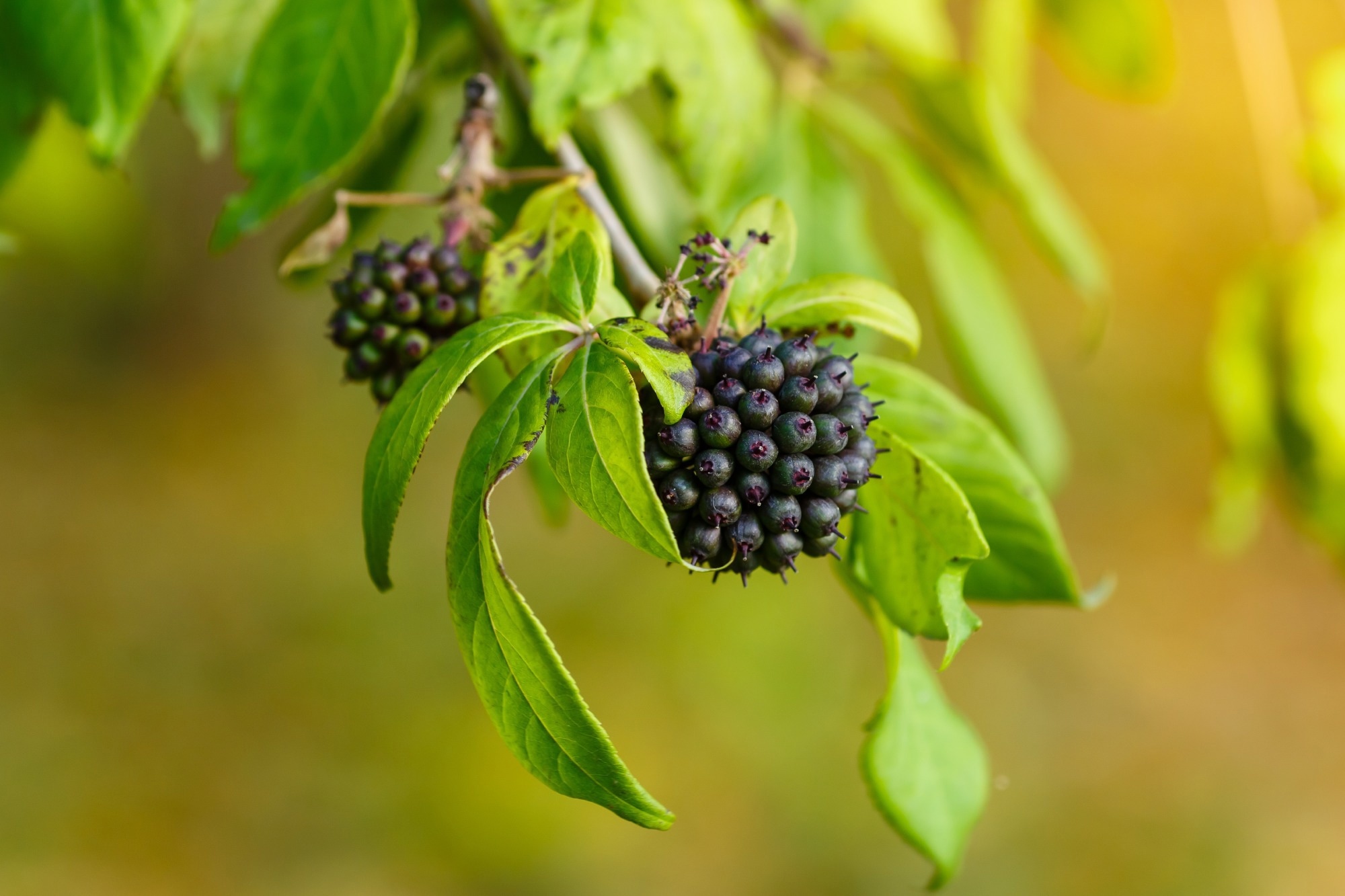 Woody shrub of Eleutherococcus senticosus or Siberian ginseng. Image Credit: Flower_Garden / Shutterstock.com
Introduction
Eleutherococcus senticosus (E. senticosus), colloquially referred to as Siberian ginseng despite being botanically distinct from true Panax ginseng,1,3, has been used for centuries in Northeast Asian traditional medicine and is now recognized in Europe for its traditional use in relieving symptoms of asthenia, such as tiredness and weakness.3,4 Recent pharmacological analyses suggest that eleutherosides, caffeoylquinic acids, and polysaccharides may influence inflammatory signaling, neuroimmune responses, and cellular energy metabolism in preclinical models; however, the clinical evidence remains limited, methodologically heterogeneous, and insufficient for firm conclusions about efficacy.3,4,6,7,9
This article discusses the biological effects of E. senticosus, including its functional role as a metabolic and neuroprotective agent, while assessing current methodological limitations that prevent its clinical standardization and widespread adoption.
Siberian ginseng and its bioactive components
E. senticosus is a rich source of phenolic compounds, lignans, coumarins, and polysaccharides, and published reviews identify caffeoylquinic acids, syringin (Eleutheroside B), and syringaresinol derivatives among the major constituents of the root.2,3 Eleutherosides like the phenylpropanoid eleutheroside B (syringin) are also abundant in E. senticosus, with root concentrations ranging from 0.01-0.04%.1 Eleutheroside E is the second major marker compound used alongside eleutheroside B for quality control of eleuthero raw materials and preparations,2,3 and eleutherosides have also been reported in other plant parts, including stems, fruits, leaves, rhizomes, and bark.2
Eleutheroside B has been proposed as one contributor to the anti-inflammatory and adaptogenic profile of E. senticosus, but current evidence does not support assigning the plant’s antifatigue effects to this compound alone.3 Isofraxidin and related coumarins are also present in the root, alongside flavonoids, triterpenoid saponins, and steroids.2,3
The phytochemical profile of E. senticosus is largely determined by ecological, climatic, and genetic factors.
How Siberian ginseng modulates inflammatory signaling
E. senticosus extracts interrupt inflammatory responses by simultaneously inhibiting nuclear factor κB (NF-κB) expression and mitigating phosphorylation of mitogen-activated protein kinases (MAPKs). By limiting inducible nitric oxide synthase (iNOS) expression and downregulating pro-inflammatory cytokines, E. senticosus effectively attenuates inflammatory signaling in preclinical cell and animal models. Reported targets include Akt, JNK, ERK, p38, NF-κB, and inflammatory mediators such as IL-6 and TNF-α; however, these findings derive from specific experimental systems and should not be generalized to all eleuthero preparations. Some immunomodulatory effects appear to be extract- and tissue-specific; for example, p38 MAPK induction has been reported for stem bark or bark extracts in certain experimental settings rather than as a uniform effect of all E. senticosus preparations.3
Neuroprotective and cognitive benefits
The neuroprotective effects of E. senticosus are likely attributed to the anti-inflammatory activity of its active compounds, particularly eleutherosides, as both inflammation and oxidative stress are closely involved in the pathogenesis of neurodegenerative diseases. Specifically, both in vitro and in vivo data indicate that Eleutherococcus extracts and isolated constituents can inhibit iNOS expression and reduce neuroinflammatory signaling in preclinical models,3 although much of this evidence comes from cell systems, animal studies, or non-root preparations.3
By disrupting the translocation of NF-κB, E. senticosus prevents the release of pro-inflammatory cytokines like IL-6 and TNF-α. These observations have generated interest in E. senticosus as a source of neuroprotective compounds, but they should not yet be interpreted as evidence of clinical benefit in patients with neurodegenerative, cardiovascular, or metabolic disease.3
E. senticosus increases brain-derived neurotrophic factor (BDNF) levels in preclinical models, which may confer anxiolytic and anti-depressive effects. To date, few human studies have investigated the beneficial effects of Eleutherococcus root, thus emphasizing the need for additional studies to confirm these results.3
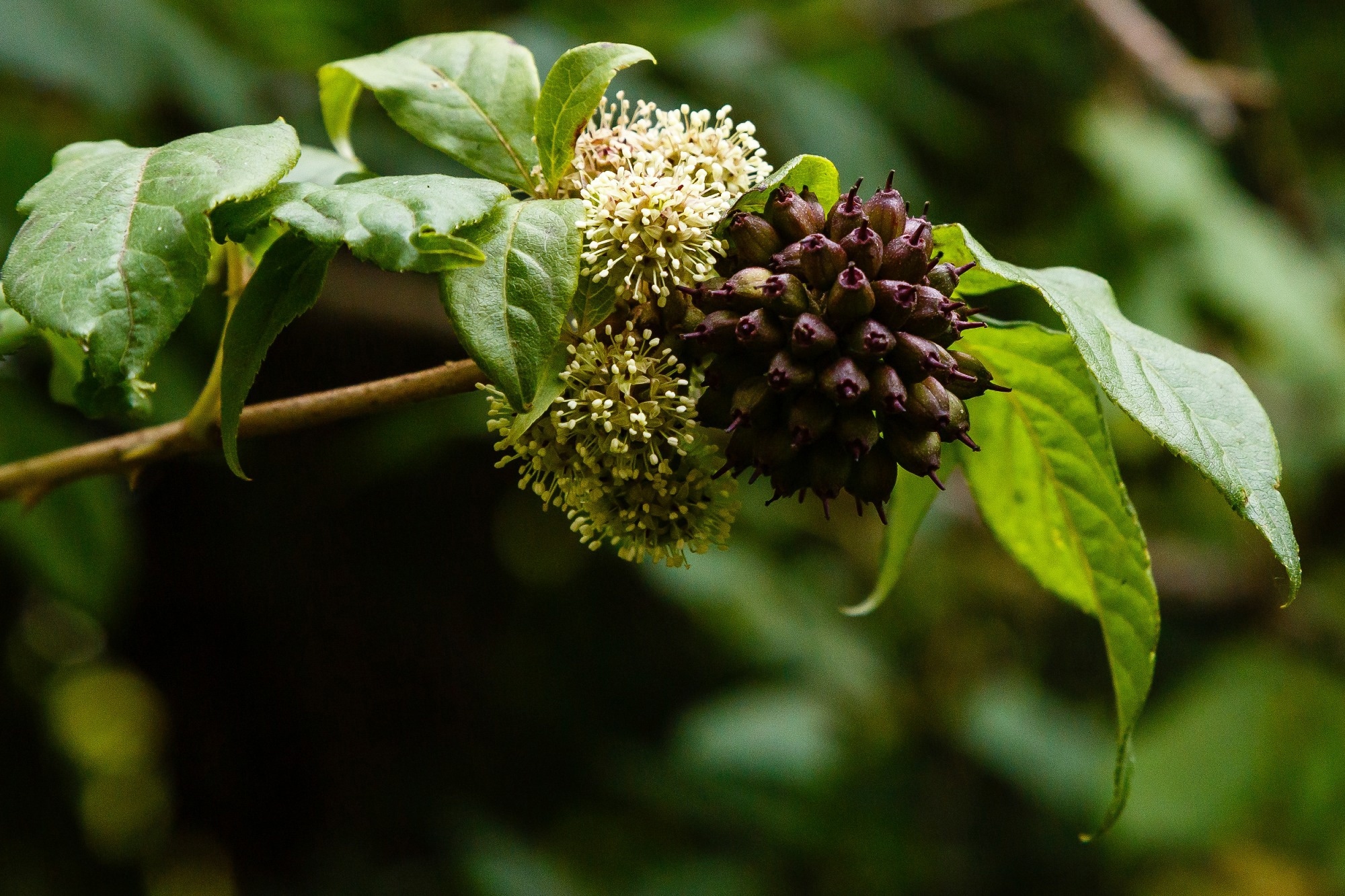 Image Credit: Flower_Garden / Shutterstock.com
E. senticosus is widely described as an adaptogen, but direct evidence that it consistently modulates the HPA axis in humans is still limited. Current support for stress-related benefits comes from a mix of traditional-use assessments, small clinical studies, and broader adaptogen literature rather than from robust, standardized trials of eleuthero root alone.3,4
From the perspective of traditional Chinese medicine, E. senticosus is used to nourish qi, which is a vital source of energy for the human organism.3
In one small non-randomized study of 50 healthy volunteers, eleuthero extract was associated with reductions in total cholesterol, LDL, and free fatty acids, together with increases in maximal oxygen consumption per body mass and heart rate; however, the absence of a placebo control and randomization limits interpretation.3 In a separate double-blind, randomized, placebo-controlled crossover study, nine recreationally trained males who consumed 800 mg/day of E. senticosus for eight weeks showed a 12% increase in VO2 peak, a 23% increase in endurance time, a 4% increase in peak heart rate, higher free fatty acids during exercise, and lower glucose at 30 minutes, suggesting possible improvements in endurance and substrate utilization.9 At the same time, other human exercise studies cited in recent reviews have reported mixed or non-significant performance effects, underscoring the limitations imposed by small sample sizes, variable preparations, and inconsistent standardization.3
Mechanistic support for metabolic effects also remains primarily preclinical. For example, in cultured adipocytes and skeletal muscle cells, E. senticosus extract reduced intracellular triacylglycerol content and increased proteins linked to lipolysis, AMPK/ACC signaling, and mitochondrial function; these findings are hypothesis-generating rather than direct evidence of comparable effects in humans.6
 Siberian ginseng. Image Credit: Mykolal Mykolal / Shutterstock.com
Safety profile and clinical considerations
The European Medicines Agency does not describe E. senticosus root as a clinically proven treatment for fatigue; rather, its Herbal Medicinal Products Committee concluded that, on the basis of long-standing traditional use, eleutherococcus root can be used for the relief of symptoms of asthenia such as tiredness and weakness.4 The EMA further notes that this use applies to adults and adolescents over 12 years of age and that treatment should not exceed two months.4
The EMA currently recommends a maximum daily dose of 4 g of dried root, and the European Pharmacopeia requires that both eleutheroside B and eleutheroside O be present at a concentration of at least 0.08% to ensure that supplementary preparations meet quality assurance standards.1
E. senticosus is generally considered safe and well-tolerated; however, reported adverse effects include insomnia, irritability, tachycardia, and headache, with frequency not clearly established.4,8
Emerging pharmacovigilance data also suggest clinically relevant herb-drug interaction risks. In a retrospective chart review, E. senticosus was linked to adverse events when used with antidepressants, including bleeding-related events with paroxetine, sertraline, and duloxetine, as well as irritability, agitation, headache, and dizziness with agomelatine. Proposed mechanisms include additive bleeding risk and inhibition of CYP enzymes or p-glycoprotein.8
Because the clinical literature is limited and many commercial products vary in composition and standardization, clinicians and consumers should be cautious about extrapolating results across formulations.3,4
References
- Todorova, V., Ivanov, K., & Ivanova, S. (2021). Comparison between the Biological Active Compounds in Plants with Adaptogenic Properties (Rhaponticum carthamoides, Lepidium meyenii, Eleutherococcus senticosus and Panax ginseng). Plants, 11(1), 64. DOI – 10.3390/plants11010064. https://www.mdpi.com/2223-7747/11/1/64
- Kos, G., et al. (2025). Eleutherococcus senticosus (Acanthopanax senticosus): An Important Adaptogenic Plant. Molecules, 30(12), 2512. DOI – 10.3390/molecules30122512. https://www.mdpi.com/1420-3049/30/12/2512
- Patyra, A., Kołtun-Jasion, M., Kupniewska, K., Parzonko, A., & Kiss, A. K. (2025). Eleutherococcus root: a comprehensive review of its phytochemistry and pharmacological potential in the context of its adaptogenic effect. Frontiers in Pharmacology, 16. DOI – 10.3389/fphar.2025.1683795. https://www.frontiersin.org/journals/pharmacology/articles/10.3389/fphar.2025.1683795/full
- European Medicines Agency. (2016, February 10). Eleutherococcus root - Summary for the public (EMA/283374/2014). https://www.ema.europa.eu/en/documents/herbal-summary/eleutherococcus-root-summary-public_en.pdf. Accessed on 27 February 2026
- Feng, Y., et al. (2025). Preparation and characterization of Acanthopanax polysaccharides nanoselenium with enhanced stability and antioxidant activity. Frontiers in Nutrition, 12. DOI – 10.3389/fnut.2025.1712826. https://www.frontiersin.org/journals/nutrition/articles/10.3389/fnut.2025.1712826/full
- Hashimoto, T., Okada, Y., Yamanaka, A., Ono, N., Uryu, K., & Maru, I. (2020). The effect of Eleutherococcus senticosus on metabolism-associated protein expression in 3T3-L1 and C2C12 cells. Physical Activity and Nutrition, 24(3), 13–18. DOI – 10.20463/pan.2020.0016. https://e-pan.org/journal/view.php?doi=10.20463/pan.2020.0016
- Zhu, J., et al. (2022). Efficacy of ginseng supplements on disease-related fatigue: A systematic review and meta-analysis. Medicine, 101(26), e29767. https://journals.lww.com/md-journal/fulltext/2022/07010/efficacy_of_ginseng_supplements_on_disease_related.14.aspx
- Siwek, M., Woroń, J., Wrzosek, A., Gupało, J., & Chrobak, A. A. (2023). Harder, better, faster, stronger? Retrospective chart review of adverse events of interactions between adaptogens and antidepressant drugs. Frontiers in Pharmacology, 14. DOI – 10.3389/fphar.2023.1271776. https://www.frontiersin.org/journals/pharmacology/articles/10.3389/fphar.2023.1271776/full
- Kuo J, Chen KW, Cheng IS, Tsai PH, Lu YJ, Lee NY. The effect of eight weeks of supplementation with Eleutherococcus senticosus on endurance capacity and metabolism in human. Chin J Physiol. 2010 Apr 30;53(2):105-11. doi: 10.4077/cjp.2010.amk018. PMID: 21793317. https://www.airitilibrary.com/Article/Detail/03044920-201004-201006110036-201006110036-105-111
Further Reading
Last Updated: Mar 18, 2026