Patients exposed to higher levels of fine particulate air pollution in the week before surgery faced greater odds of postoperative complications, offering new evidence that environmental exposures may influence surgical outcomes.
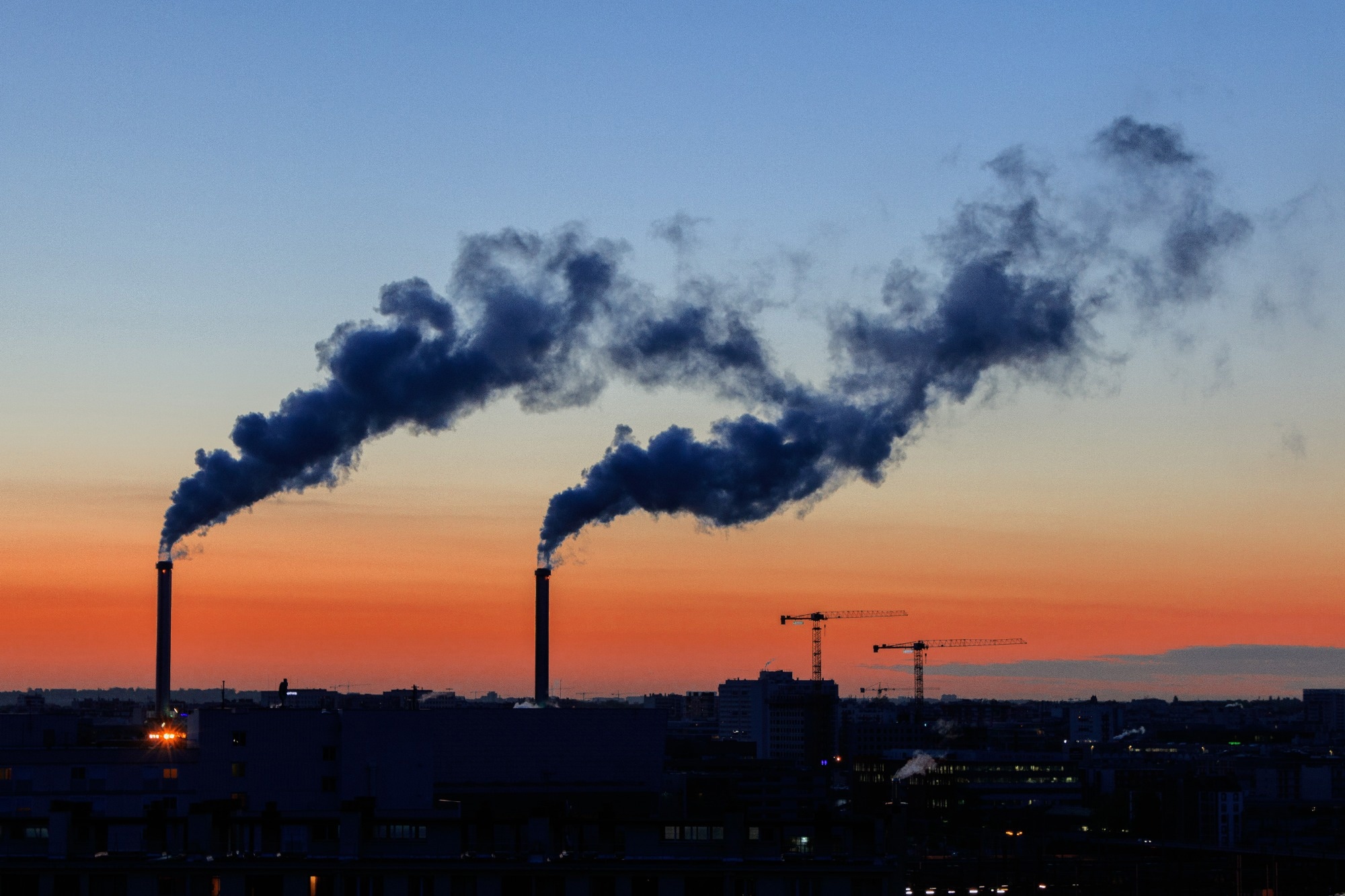 Study: Bayesian Analysis of Postoperative Complication Risk Associated With Preoperative Exposure to Fine Particulate Matter: A Single-Center Cohort Study. Image credit: GUNMANPHOTO/Shutterstock.com
Exposure to environmental fine particulate matter in the seven days prior to surgery was associated with an increased odds of postoperative complications, as reported in a new study published in the journal Acta Anaesthesiologica Scandinavica.
Exploring pollution exposure before surgery
Fine particulate matter (PM) is an air pollutant with a diameter of 2.5 micrometers or lower. Exposure to these tiny pollutants is known to increase the risk of cardiovascular, respiratory, and neurological complications.
Perioperative patients may be uniquely susceptible to PM exposure because the physiological stress of surgery induces pulmonary trauma, hemodynamic stress, and proinflammatory cytokine release, which overlap mechanistically with inflammatory and thrombotic pathways triggered by air pollution exposure. Despite the strong likelihood of this overlap, studies investigating the association between surgical stress and fine PM exposure are largely unavailable.
The current study aimed to explore whether preoperative fine PM exposure increases the risk of postoperative complications, including pneumonia, surgical site infection, urinary tract infection, sepsis, stroke, myocardial infarction, or thromboembolic event.
The Wasatch Front region of northern Utah provided researchers with a quasi-natural experiment because wildfire smoke and winter inversions produce short-lived but intense PM2.5 episodes, while elective surgeries generally proceed regardless of daily air quality conditions.
The researchers used Bayesian hierarchical methods to determine probabilistic associations between preoperative fine PM exposure and postoperative complications. These methods allow the incorporation of prior knowledge, the management of uncertainty, and the handling of complex, multi-level data structures.
Complication odds rose with increasing pollution levels
The study included 49,615 adult patients who underwent elective or non-emergent surgical procedures under general anesthesia at the University of Utah Health between 2016 and 2018. Their geocoded addresses were linked to daily Census-tract level fine PM estimates to determine the highest level of fine PM exposure during the 7-day period prior to surgery.
The Bayesian analysis revealed that exposure to increasing levels of fine PM during the 7-day period before surgery was associated with postoperative complications in a dose-dependent manner.
By setting the exposure threshold at the US Environmental Protection Agency (EPA) daily limit of 35 micrograms of fine PM per cubic meter of air, the Bayesian analysis showed that the updated posterior probability of higher complication odds exceeded 90 % at exposures above the threshold. The composite postoperative complication rate increased from 4.8 % below the threshold to 6.2 % above it.
Notably, the analysis revealed an 8 % increased odds of postoperative complications with every 10 micrograms per cubic meter of air increase in the highest single-day fine PM exposure during the 7-day period before surgery. The odds of complications increased by more than 27 % when fine PM exposure increased from 1 microgram to 30 micrograms per cubic meter of air.
Air pollution may influence vulnerable surgical patients most
The study reveals that higher levels of fine PM exposure during the 7 days before surgery were associated with increased odds of postoperative health complications. The association appeared strongest in patients with higher comorbidity burdens, highlighting the potential clinical relevance of acute exposures.
As stated by researchers, the study findings should not be considered as a causal effect of fine PM exposure. Instead of considering fine PM as an isolated causal agent, it should be interpreted as an exposure marker within complex air pollution mixtures.
The study analyzed surgical cases performed at a single health center, which may increase the possibility of having similarities in patient characteristics, surgical procedures, and other neighborhood-level factors. These similarities can amplify statistical noise and complicate interpretation.
To address some of these possibilities, the researchers utilized Bayesian hierarchical modeling, which provides a principled framework for stabilizing estimates, transparently characterizing uncertainty, and generating probabilistic interpretations suitable for multicenter study planning.
Another benefit of Bayesian hierarchical modeling is the formulation of direct probabilistic statements about risk, with improved interpretability, thereby increasing transparency in uncertainty assessment and improving the clinical implications of the findings.
The researchers believe that the primary contribution of this study is methodological: the demonstration of Bayesian hierarchical modeling, which allowed them to test how sensitive the findings were to different statistical assumptions and, in turn, increased the stability and robustness of the observed associations.
These findings are broadly supported by previous research investigating the adverse health effects of air pollutants. A recent study conducted in China reported that a 10 μg/m3 increase in fine PM exposure can increase mortality risk among surgical cancer patients. Similarly, some studies found increased risk of postoperative adversities among kidney and lung transplantation patients who were exposed to air pollution.
Overall, the current study highlights the importance of using Bayesian modeling in perioperative research and supports further investigation into fine PM exposure as a potentially modifiable perioperative risk factor associated with postoperative complications.
The study used census tract locations to estimate fine PM exposure but did not consider chronic, workplace, or indoor exposure. The composition of fine PM, which can influence its toxicity, was also not analyzed in the study due to data unavailability.
The single-center design, use of a composite outcome, lack of comprehensive race and ethnicity data, and inability to categorize patients by surgical specialty restricted the generalizability of the findings. Future research in a larger, multi-center cohort is thus needed to better interpret the findings.
Download your PDF copy by clicking here.
Journal reference:
- Pearson JF. (2026). Bayesian Analysis of Postoperative Complication Risk Associated With Preoperative Exposure to Fine Particulate Matter: A Single-Center Cohort Study. Acta Anaesthesiologica Scandinavica. DOI: https://onlinelibrary.wiley.com/doi/10.1111/aas.70235. https://onlinelibrary.wiley.com/doi/10.1111/aas.70235
 Molecular mapping reveals hidden cellular programs in heart transplant rejection