Could a procedure known for relieving physical discomfort also reshape long-term metabolic health? New findings suggest breast reduction surgery may be linked to lower risks of diabetes and cardiovascular conditions over time.
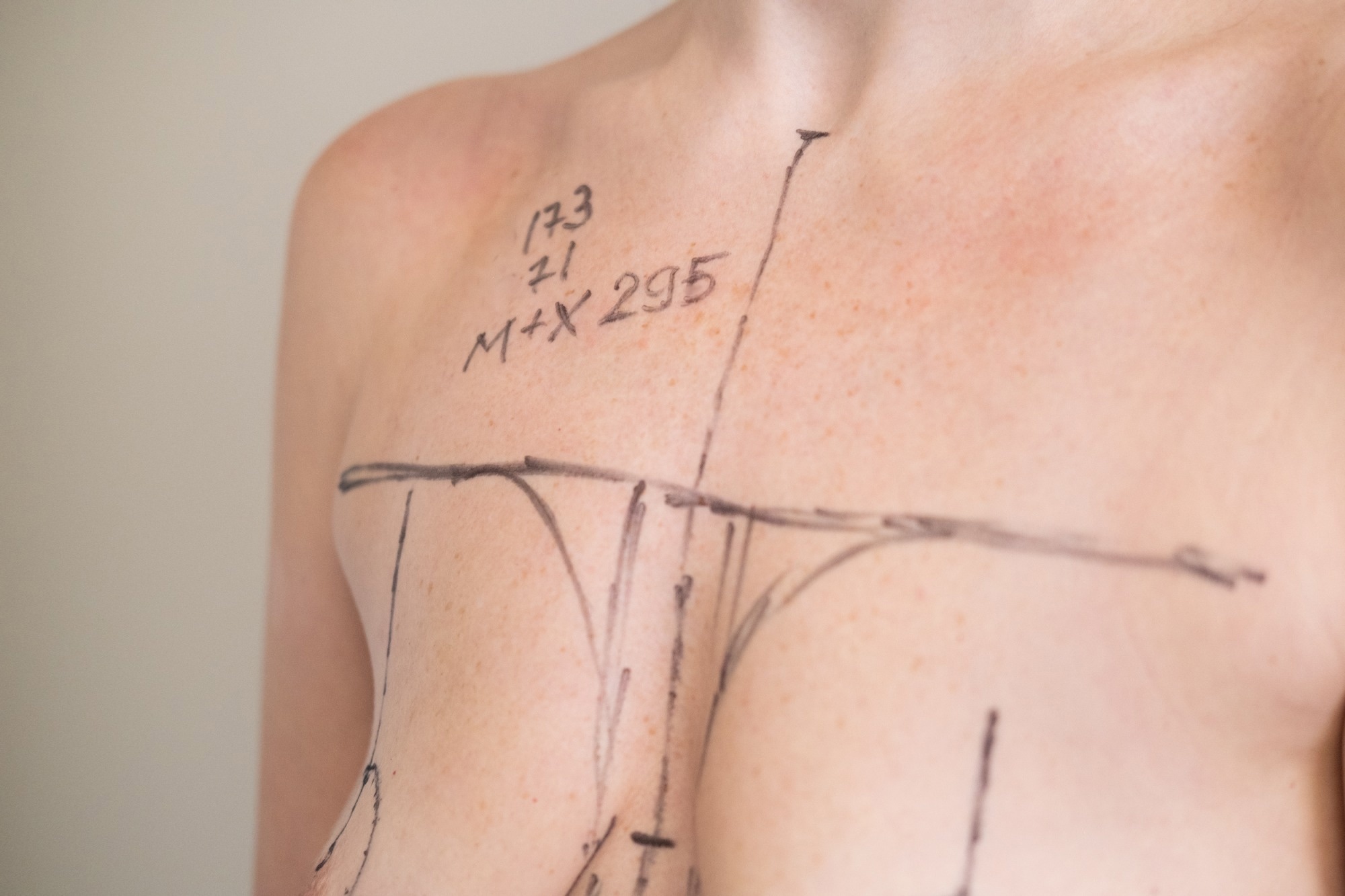 Study: Aesthetic Meets Systemic: Breast Reduction Surgery Reduces Metabolic Disease Risk – Findings from over 23,000 Patients. Image credit: Natali Kuzina/Shutterstock.com
 *Important notice: SSRN publishes preliminary scientific reports that are not peer-reviewed and, therefore, should not be regarded as conclusive, guide clinical practice/health-related behavior, or treated as established information.
A study currently posted to the SSRN preprint server considered a sample of more than 23,000 women to evaluate whether breast reduction is associated with lower long-term risk of adverse metabolic outcomes.
Breast reduction can confer physical and mental health benefits
A breast reduction surgery is performed mainly in women suffering from macromastia, both to improve patients’ quality of life and for cosmetic purposes. Patients typically report chronic pain in the back, neck, and shoulders, physical limitations, recurrent skin irritations from bra straps, and difficulty engaging in physical activity. Post surgery, many patients have reported a notable improvement in quality-of-life measures. These include higher self-esteem, improved body image, and relief in daily functioning.
Recent research emphasizes the potential metabolic consequences of breast reduction beyond its aesthetic and functional outcomes. In the past, this issue has been discussed in the context of fat removal procedures, particularly abdominal liposuction. Some studies have noted improvements in the metabolic profile associated with large-volume fat removal. These benefits relate to improvements in blood pressure, glucose levels, lipid profile, and insulin resistance. However, some other studies have documented the opposite effects, which keeps this question under dispute.
The literature on the metabolic effects of breast tissue reduction surgery is still emerging, although the beneficial effects of liposuction have been extensively studied. This motivates further research into the potential association between long-term changes in risk of adverse metabolic outcomes and cardiometabolic risk factors and breast reduction surgery.
A retrospective cohort study using the TriNetX Global Collaborative Network
A retrospective cohort study was conducted using the TriNetX platform, which comprises de-identified electronic health records (EHRs) from over 199 million patients across 170 healthcare organizations globally, with data dating back to 2006. To minimize the confounding effects of congenital breast disorders and menopause-related changes, women aged 18-50 years were included in this study.
Three body mass index (BMI) categories were used to categorize patients, namely, 18-24.99, 25-29.99, and 30-34.99 kg/m². Within each group, two subgroups were identified, separating women who underwent bilateral breast reduction (surgery) and those who did not (control).
Patients were excluded if they presently had or reported a history of malignant neoplasm of the breast or acquired absence of the nipple or breast. Patients with a prior history of oncologic or reconstructive indications, including encounters for breast reconstruction following mastectomy, as well as those who had undergone prior body contouring or liposuction procedures, were also excluded. Furthermore, Asian patients were excluded due to lower BMI thresholds for cardiometabolic risk in this subgroup.
The cohort with BMI in the 25-30 range was selected for the primary analysis. Metabolic outcomes were assessed over a 10-year period. Incident outcomes included type 2 diabetes mellitus (T2DM), incidence of pre-diabetes, triglycerides, HDL, elevated blood pressure (defined using diagnosis codes or systolic ≥130 mmHg or diastolic ≥85 mmHg), and medication use related to metabolic conditions. A composite overall metabolic status (MS) was generated using the outcomes.
Surgery linked to lower metabolic risk after matching
For the BMI 18-25 group, hypertensive diseases and eating disorders were more common in the control group compared to the surgery group. For the BMI 25-30 group (primary analysis), the study population comprised 4,843,852 patients in the control group and 4,356 patients in the surgery group, before propensity score matching (PSM). Several metabolic comorbidities were more prevalent in the surgery group than in the control group. These included hypertensive diseases, disorders of lipoprotein metabolism, and factors influencing health status and contact with health services.
For the BMI 30-35 analysis, 3,819 patients were included in the surgery group, while the control group comprised 3,705,804 patients, before PSM. Several cardiometabolic and metabolic comorbidities were more common in the surgery group, including hypertensive diseases (12.36 % vs. 4.94 %), disorders of lipoprotein metabolism (8.88 % vs. 3.29 %), and T2DM (4.54 % vs. 2.31 %). Among surgery patients, factors influencing contact with health services and health status were markedly higher (65.1 % vs. 35.2 %) than in the control group.
After 1:1 PSM, several metabolic variables remained imbalanced between groups, and both groups included 3,785 patients. T2DM, hypertensive diseases, and disorders of lipoprotein metabolism were more prevalent in the control group. After matching, polycystic ovarian syndrome was also more common among controls.
Following a 1:1 matching and over a 10-year follow-up, surgery was consistently associated with a significantly lower risk of several metabolic outcomes in the lowest BMI group (18-25). The greatest reductions in risk were observed for medication use, elevated blood pressure, and overall adverse metabolic status. Surgery was also associated with reduced risks of low HDL, pre-diabetes, and diabetes. No significant difference was observed for hypertriglyceridemia.
In the BMI 25-30 group, surgery was associated with notable reductions in diabetes, low HDL, elevated blood pressure, medication use, and adverse MS. In the BMI 30-35 group, surgery was associated with lower risks of pre-diabetes, hypertriglyceridemia, low HDL, adverse MS, elevated blood pressure, and medication use, although reductions in diabetes risk were not statistically significant.
Conclusions
This study found that breast reduction surgery was associated with long-term improvements in T2DM, metabolic syndrome, hypertension, and dyslipidemia, with the greatest benefits seen in normal-weight and overweight patients. While causality remains uncertain, these findings highlight a potential metabolic impact of breast reduction and warrant further exploration in future studies.
However, residual confounding and differences in healthcare access or health-seeking behavior between groups may partly explain the observed associations.
Download your PDF copy by clicking here.
*Important notice: SSRN publishes preliminary scientific reports that are not peer-reviewed and, therefore, should not be regarded as conclusive, guide clinical practice/health-related behavior, or treated as established information.
Journal reference:
- Preliminary scientific report.
Shiloh, O.N. et al. (2026) Aesthetic Meets Systemic: Breast Reduction Surgery Reduces Metabolic Disease Risk – Findings from over 23,000 Patients. Available at SSRN: https://ssrn.com/abstract=6399683
 Semaglutide cuts major heart events, but researchers still cannot fully explain why