Introduction
Composition of the healthy eye microbiome
Dysbiosis and ocular disease
Emerging diagnostic and therapeutic opportunities
Future directions
References
The eye's surface hosts a low-abundance microbial community, while the possible existence of a resident microbiome inside the eye remains under investigation.
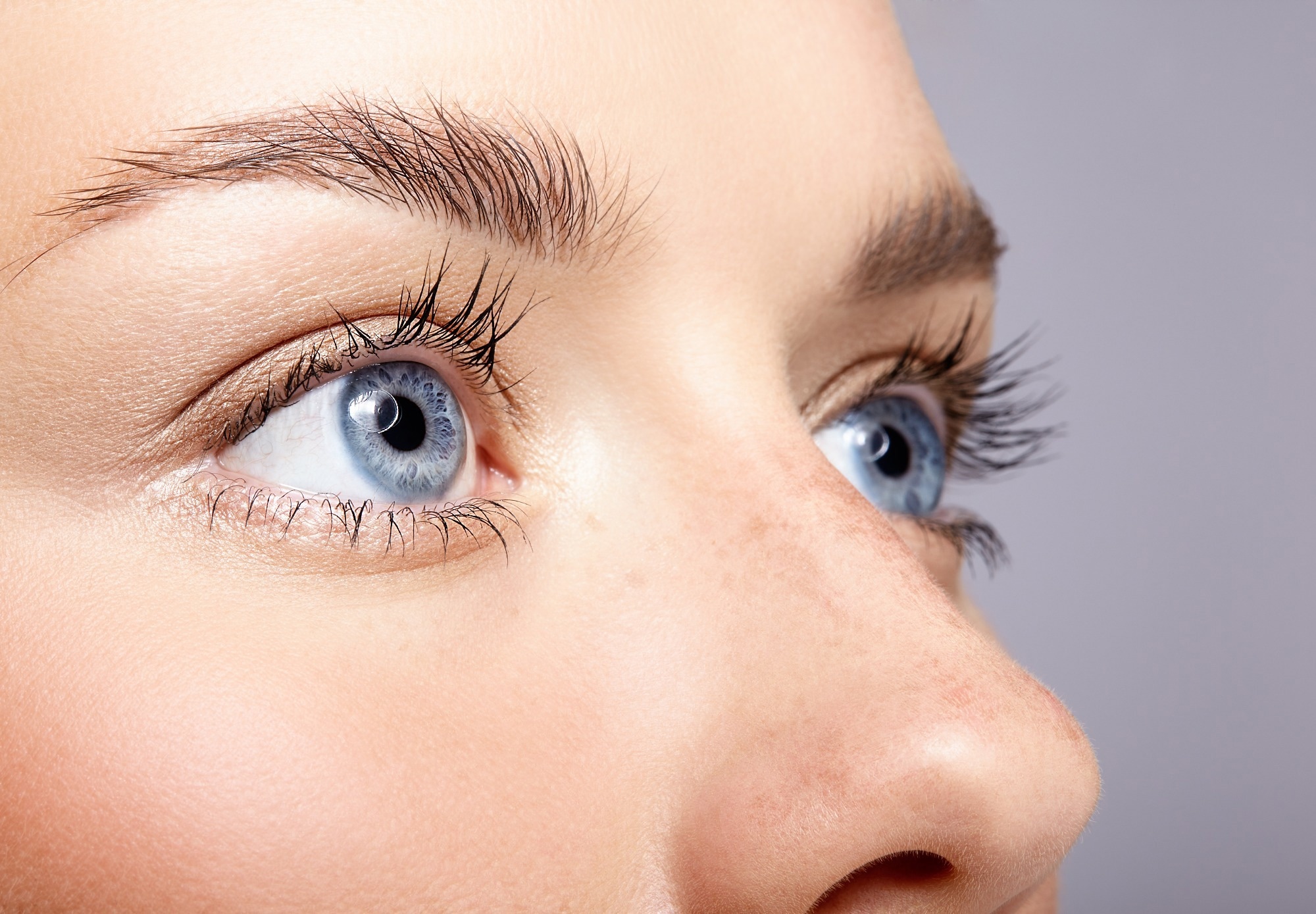 Image Credit: Serg Zastavkin / Shutterstock.com
Introduction
Previously, the intraocular environment was considered sterile, while culture-based studies had long identified microorganisms on the ocular surface. Reports of microbial genetic material in intraocular samples have raised questions about possible resident organisms, but their presence and significance remain uncertain.3 More recent molecular techniques, such as 16S ribosomal ribonucleic acid (rRNA) gene sequencing and whole-metagenome shotgun sequencing, have expanded our understanding of the ocular microbiome. The 16S method primarily profiles bacteria, while shotgun sequencing can also detect DNA from fungi, DNA viruses, and other microorganisms.1 The ocular surface contains low microbial biomass and is highly susceptible to contamination from surrounding tissues and the environment.
This article discusses the role of the ocular microbiome in eye health, its involvement in ocular diseases, and emerging microbiome-based diagnostic and therapeutic approaches.
Composition of the healthy eye microbiome
The ocular microbiota refers to the microorganisms that colonize the ocular surface. The ocular microbiome generally refers to the collective genetic material of these microorganisms, though the terms are often used interchangeably. Compared with the intestinal or skin microbiomes, the ocular surface contains fewer microorganisms.
Culture-based techniques and sequencing methods have identified several bacterial genera, including Corynebacterium, Staphylococcus, Propionibacterium (Cutibacterium), Streptococcus, Acinetobacter, and Pseudomonas, which have been detected on the conjunctiva and corneal surfaces. The relative abundance of these bacteria varies among individuals and studies, and whether a universal core ocular microbiota exists remains debated. Experimental evidence suggests that certain resident microorganisms may contribute to ocular homeostasis by supporting immune regulation, limiting pathogen colonization, and preserving ocular surface health and function.1,4
The composition of the ocular microbiome varies with environmental and host factors. For example, the ocular microbiota changes substantially from birth through adulthood, though studies have reported inconsistent age-related patterns in microbial diversity. Environmental exposures, hygiene practices, and geography may also contribute to differences between populations.1,2
Contact lens use has been associated with shifts toward some skin-associated bacterial genera and lower levels of certain bacteria typical of the healthy ocular surface. Studies have not consistently identified changes in overall microbial diversity. Topical antibiotic treatments can alter the composition of the ocular surface microbiota and may select for antibiotic-resistant microorganisms.1,2,4
Tears contain antimicrobial components like lysozyme, lactoferrin, defensins, and immunoglobulins that help limit the overgrowth of pathogenic bacteria. Ocular surface epithelial cells can selectively respond to microbial components through pattern-recognition receptors and produce inflammatory mediators in response to pathogenic microorganisms. In mouse experiments, Corynebacterium mastitidis stimulated interleukin-17-mediated immune defenses that increased resistance to ocular infection.4 Through competition with invading organisms and modulation of local immune responses, commensal species may help limit pathogen colonization, modulate local inflammation, and preserve the integrity and health of the ocular surface.2,3,4,5
 Image Credit: Marko Aliaksandr / Shutterstock.com
Dysbiosis and ocular disease
Dysbiosis of the ocular microbiome may impair the normal protective capabilities of resident microorganisms, thereby facilitating the proliferation of harmful microorganisms and subsequent inflammation. Microbiome imbalances have been associated with dry eye disease, blepharitis, keratitis, and conjunctivitis, though it remains uncertain whether these changes contribute to disease or arise from it.1,2,4 For dry eye disease in particular, studies have reported higher bacterial loads, but findings on changes in specific bacterial taxa have been mixed. Blepharitis has been associated with shifts in Staphylococcus, Corynebacterium, and Propionibacterium, while infectious keratitis has been associated with increased detection of potentially pathogenic bacteria, including Pseudomonas and Acinetobacter.1,4
Beyond surface disorders, studies have investigated associations between ocular or gut microbial communities and uveitis, age-related macular degeneration, glaucoma, and diabetic retinopathy. Commensal microorganisms can influence innate and adaptive immune responses, suggesting that microbial disturbances may activate pro-inflammatory pathways involved in ocular pathology. The strength and nature of these associations vary among diseases, and much of the evidence comes from animal models.1,2,3 The observed associations do not establish that dysbiosis causes these conditions in humans.3,4
Research into the gut-eye axis examines how the microbiome may interact with immune cells, cytokines, and microbial metabolites to affect downstream inflammatory responses. Gut dysbiosis may influence ocular inflammation through systemic immune signaling, microbial metabolites, and mechanisms such as molecular mimicry. Much of the evidence comes from animal models, while human studies remain largely associative and sometimes inconsistent.3,4,5
Emerging diagnostic and therapeutic opportunities
Microbiome profiling, using techniques such as 16S rRNA gene sequencing and whole-metagenome shotgun sequencing, has identified differences in microbial composition associated with several ocular diseases. As research advances, microbiome-based biomarkers may eventually contribute to disease classification, risk assessment, or treatment selection if larger studies validate these microbial patterns.1,2,3,4
Researchers are exploring probiotic therapy and microbiome manipulation to promote beneficial microorganisms while suppressing pathogenic species. Small human studies of oral probiotics in dry eye disease have reported improvements in tear-film measurements or symptoms, while a pilot study investigated topical probiotics for vernal keratoconjunctivitis.2,4 Evidence for treating ocular disease remains preliminary, with small studies evaluating different probiotic formulations. Larger controlled trials are needed to establish efficacy and safety before routine clinical use.1,2,4
Several challenges must be addressed before microbiome-based approaches can become part of routine clinical care. The ocular surface contains a low microbial biomass, making samples highly susceptible to contamination from the skin, environment, and laboratory procedures. Variability in sample collection methods and sequencing platforms further complicates integrating preclinical microbiome research into validated diagnostics and targeted treatments. Sequencing can also detect DNA from dead or transient microorganisms, making it difficult to distinguish resident organisms from contaminants in some samples.1,2,4 Appropriate negative controls and standardized collection protocols are necessary to reduce misleading results.1,4
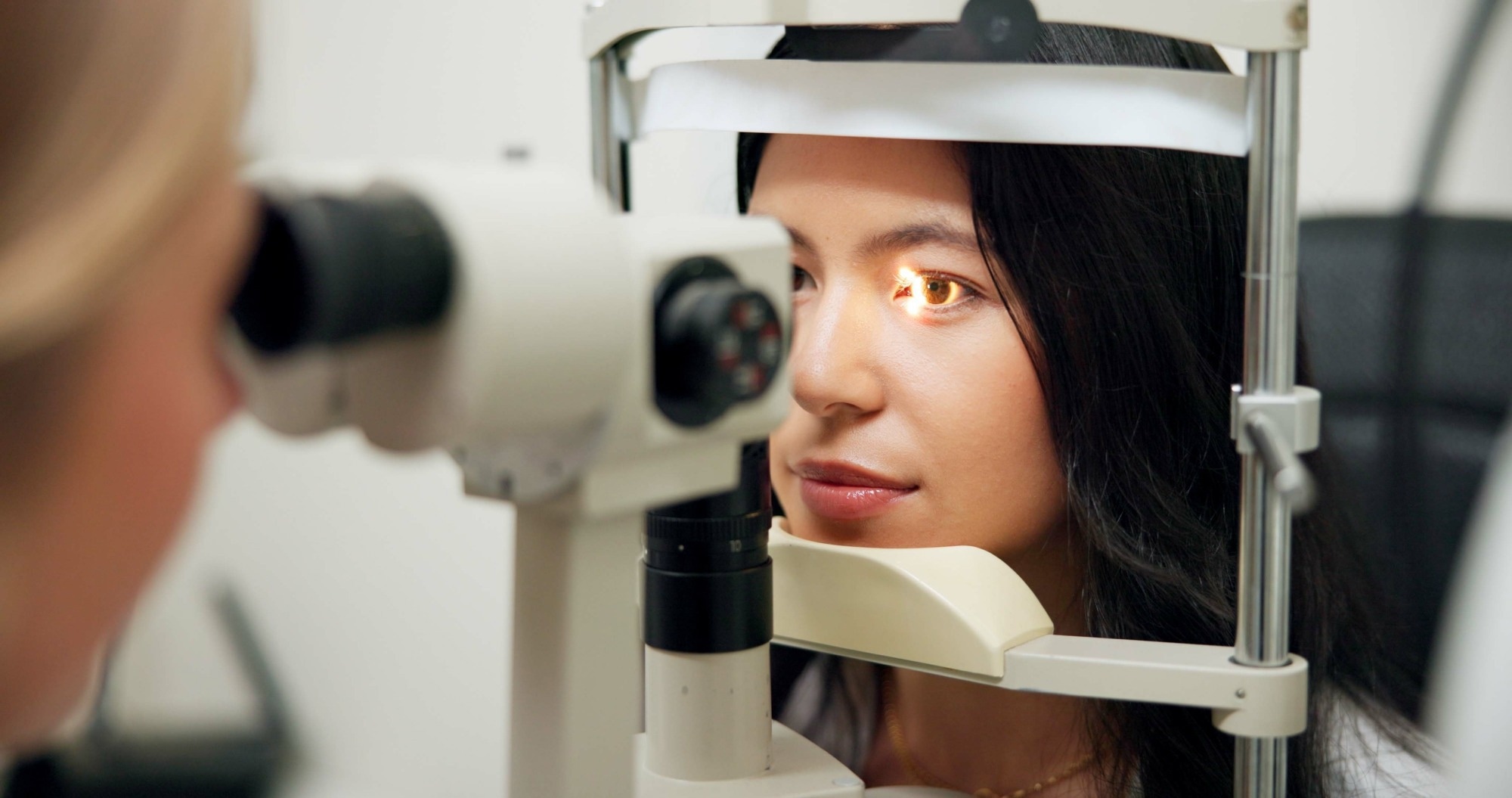 Image Credit: PeopleImages / Shutterstock.com
Future directions
Longitudinal human studies are needed to elucidate how the composition of the ocular microbiome fluctuates with age, the environment, treatment, and disease progression. Many investigations are cross-sectional and provide a snapshot of microbial communities, limiting the ability to establish causal relationships between dysbiosis and ocular disorders.1,2,4 Researchers also need to determine which microorganisms persist on the ocular surface, whether microbial changes precede disease onset, and how these patterns differ across patient groups.1,4
Metagenomic, transcriptomic, proteomic, metabolomic, and immune-profiling methods can also help researchers investigate interactions between microbial communities, ocular tissues, and immune pathways. Understanding individual differences in microbial composition could eventually inform research into disease susceptibility and treatment response.
Testing whether microbial patterns predict disease onset, progression, or treatment response, alongside controlled studies of microbiome-targeted interventions, will help establish their clinical value.1,3,4
References
- Trojacka, E., Izdebska, J., Szaflik, J., & Przybek-Skrzypecka, J. (2024). The ocular microbiome: Micro-steps towards macro-shift in targeted treatment? A comprehensive review. Microorganisms 12(11). DOI: 10.3390/microorganisms12112232. https://www.mdpi.com/2076-2607/12/11/2232
- Petrillo, F., Pignataro, D., Lavano, M. A., et al. (2020). Current evidence on the ocular surface microbiota and related diseases. Microorganisms 8(7). DOI: 10.3390/microorganisms8071033. https://www.mdpi.com/2076-2607/8/7/1033
- Li, J. J., Yi, S., & Wei, L. (2020). Ocular microbiota and intraocular inflammation. Frontiers in Immunology 11. DOI: 10.3389/fimmu.2020.609765. https://www.frontiersin.org/journals/immunology/articles/10.3389/fimmu.2020.609765/full
- Baim, A. D., Movahedan, A., Farooq, A. V., & Skondra, D. (2019). The microbiome and ophthalmic disease. Experimental Biology and Medicine 244(6), 419-429. DOI: 10.1177/1535370218813616. https://pubmed.ncbi.nlm.nih.gov/30463439/
- Lu, L. J., & Liu, J. (2016). Human microbiota and ophthalmic disease. Yale Journal of Biology and Medicine, 89(3), 325- 330. https://pmc.ncbi.nlm.nih.gov/articles/PMC5045141/
Further Reading
Last Updated: Oct 12, 2026
 Stalled gut microbiome development triples risk for type 1 diabetes in children