Introduction
What are sea buckthorn berries?
Vitamins, antioxidants, and healthy fats
Antioxidant and anti-inflammatory effects of sea buckthorn
Supporting heart health and metabolic function
Skin repair and tissue regeneration benefits
Influence on hormonal balance and glucose regulation
Sea buckthorn and the gut microbiome
Safety, dosage, and practical use
Practical takeaway
References
Further reading
Explore how a traditional “cold desert gold” berry is being re-evaluated by modern science for its wide-ranging effects on metabolism, inflammation, and human health.
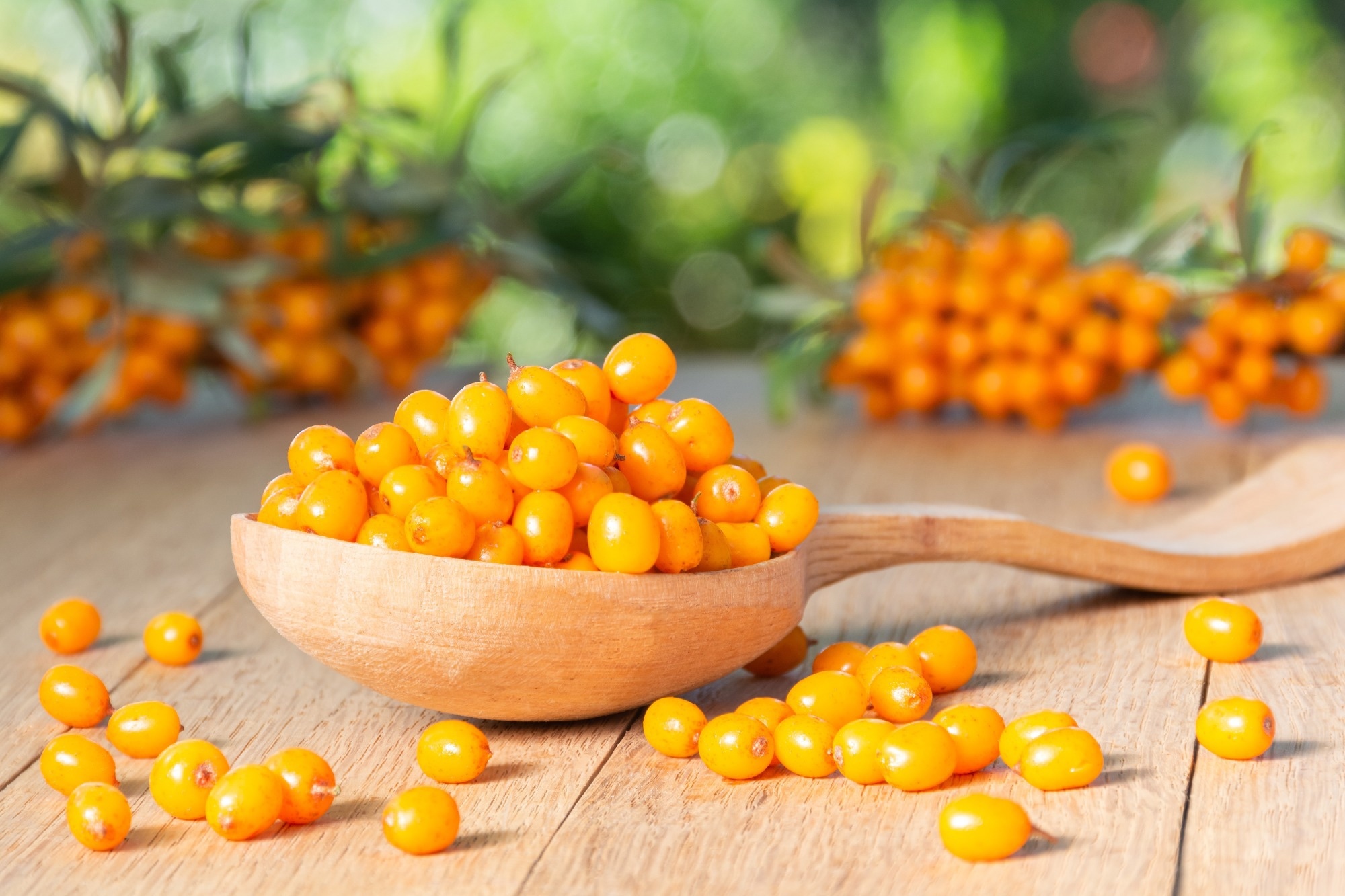
Sea buckthorn berries on branches, illustrating their characteristic orange color associated with carotenoid-rich pulp. Image Credit: Liubomyr Tryhubyshyn / Shutterstock.com
Introduction
Sea buckthorn berries are bright orange fruits native to cold-temperate regions of Europe and Central Asia. Often referred to as “cold desert gold,” sea buckthorn berries have been used in traditional medicine across the Himalayas for digestive and cardiometabolic ailments.
These traditional uses are supported primarily by ethnopharmacological evidence, with modern validation emerging from experimental studies and a limited number of clinical trials. Emerging research suggests potential benefits of sea buckthorn intake on digestive, cardiovascular, skin, and metabolic health, highlighting its relevance as a potential functional food.1,2,3
What are sea buckthorn berries?
Sea buckthorn berries are small and tangy fruits that grow on the shrub Hippophae rhamnoides. This species is a nitrogen-fixing deciduous plant widely distributed across temperate regions of Europe and Asia.1,6 These berries have a round to oval shape and ruffled surface with a soft, oily pulp.
A high concentration of carotenoids is responsible for the orange to yellow hue of sea buckthorn berries. Compared with wild types, cultivated varieties, such as Sirola and Russian Orange, are more palatable, with milder tastes and fewer thorns.3
However, sea buckthorn berries are rarely eaten fresh due to their intense acidity and short shelf life. Rather, these fruits are commonly processed into juices, powders, oils, supplements, fermented products, functional foods, and cosmetic formulations. Processing methods such as drying, oil extraction, and fermentation can alter chemical composition, antioxidant capacity, and bioavailability.1,14,15
The distinctive sour taste and vibrant color of sea buckthorn berries make them valuable as natural flavoring agents and food additives. To this end, berries are often blended with other ingredients to maximize sensory appeal while retaining nutritional benefits.1,3
Vitamins, antioxidants, and healthy fats
Sea buckthorn berries are potent sources of vitamin C, with average concentrations of 275 mg/100 g exceeding those found in oranges, bananas, and mangoes. Reported concentrations vary widely, however, from about 50 to nearly 900 mg/100 g depending on subspecies, maturity, geography, harvest conditions, and analytical methods.1 In addition to vitamin C, sea buckthorn berries are abundant in vitamin E, carotenoids, flavonoids, and polyphenols that confer antioxidant potential. Key carotenoids include lycopene, β-carotene, zeaxanthin, and lutein, whereas predominant flavonoids are isorhamnetin, kaempferol, and quercetin, which act in tandem with phenolic acids to scavenge free radicals and prevent cellular damage.1,2
Sea buckthorn pulp and seeds contain essential fatty acids, including palmitoleic acid (omega-7), α-linolenic acid (omega-3), linoleic acid (omega-6), and oleic acid (omega-9). This lipid profile is accompanied by a rare 1:1 ratio of omega-3 to omega-6 fatty acids, reinforcing its value as a nutritionally dense nutraceutical.2 This ratio is most characteristic of the seed oil fraction, whereas pulp oil contains a different fatty acid balance and is particularly enriched in palmitoleic acid.2,11
Across different plant parts, approximately 190–200 nutritional and bioactive compounds have been described, although their abundance varies considerably with genotype, subspecies, environmental conditions, and processing.1,2
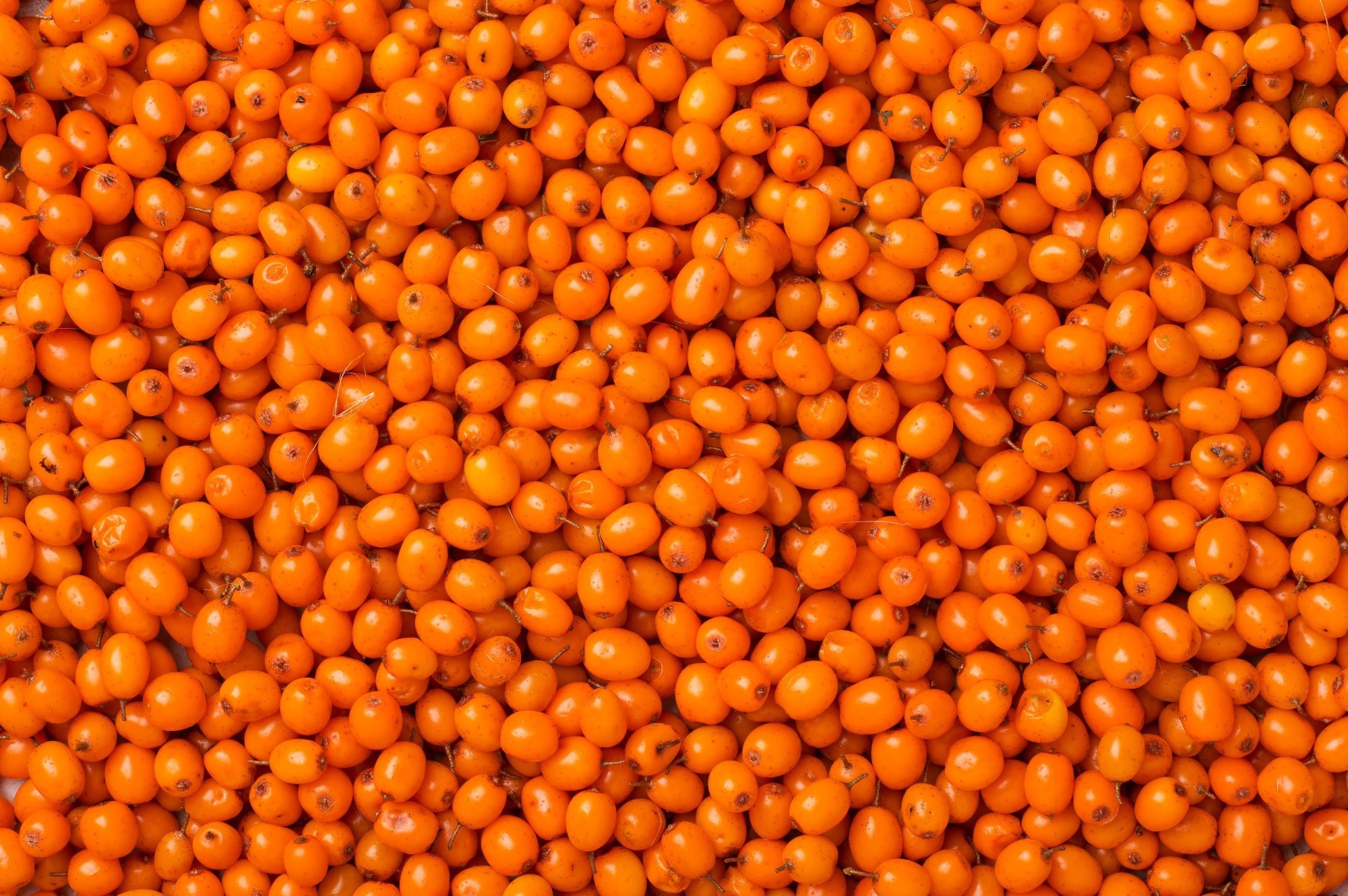
Close-up of sea buckthorn berries and leaves, highlighting the fruit’s oily pulp and dense nutrient composition. Image Credit: Mosiahina Yulia / Shutterstock.com
Antioxidant and anti-inflammatory effects of sea buckthorn
Sea buckthorn flavonoids, polyphenols, and carotenoids work synergistically to reduce oxidative damage by reducing reactive oxygen species (ROS) production by up to 25%, while also preventing lipid and protein oxidation by up to 60%. Most of these quantitative findings come from in vitro and ex vivo models rather than human intervention studies, so their direct clinical relevance remains under investigation.5,6 These effects improve cell survival, as demonstrated by enhanced cell viability in neuronal and immune cell models after leaf extract treatment.4-6
Sea buckthorn bioactive components attenuate inflammation by suppressing signaling pathways, including nuclear factor kappa B (NF-κB), mitogen-activated protein kinase (MAPK), phosphatidylinositol 3-kinase (PI3K), and protein kinase B (Akt). As a result, the production of inflammatory mediators, including nitric oxide, tumor necrosis factor α (TNF-α), and interleukin-6 (IL-6), is reduced.2 These mechanistic pathways have been characterized mainly in cell-based and animal studies.2
Recent in vivo studies suggest that sea buckthorn extracts denhance the expressionof endogenous antioxidant enzymes, such as superoxide dismutase (SOD) and glutathione peroxidase (GPx), which similarly protect against tissue damage in models of lung inflammation, liver dinjury and sepsis.1,3 Although these findings are biologically plausible and consistent across several preclinical studies, comparable clinical confirmation in humans remains limited.1,3
Bioactive compounds in sea buckthorn support cardiovascular health by improving cholesterol balance and lipid metabolism. In vitro studies demonstrate that fiber-rich sea buckthorn berry pomace has a notable cholesterol-binding capacity of 21-23 mg/g, which is comparable to or exceeding that of other fruit-derived dietary fibers.7
Phytosterols, such as β-sitosterol, campesterol, and stigmasterol, reduce intestinal cholesterol absorption, thereby lowering circulating low-density lipoprotein cholesterol (LDL-C). Recent systematic reviews and meta-analyses report significant improvements in total cholesterol, triglyceride, LDL-C, and high-density lipoprotein cholesterol (HDL-C) levels, particularly among individuals with hyperlipidemia. However, the magnitude of benefit varies across studies, and heterogeneity in trial design, intervention form, dose, and participant characteristics should be considered when interpreting these results.8,9
The fatty acid profile of sea buckthorn berries provides modest improvements in blood pressure, glucose regulation, and weight management. Sea buckthorn extracts have also been shown to reduce serum and liver triglyceride concentrations by nearly 50% in high-fat diet-induced obese mice, with these effects due to inhibition of peroxisome proliferator-activated receptor gamma (PPARγ), activating adenosine monophosphate (AMP)-activated protein kinase (AMPK) and Akt, as well as improved insulin signaling. These mechanistic and efficacy findings are based primarily on animal models and should not be assumed to translate directly to human clinical outcomes without further confirmation.10,11
Top of Form
Bottom of Form
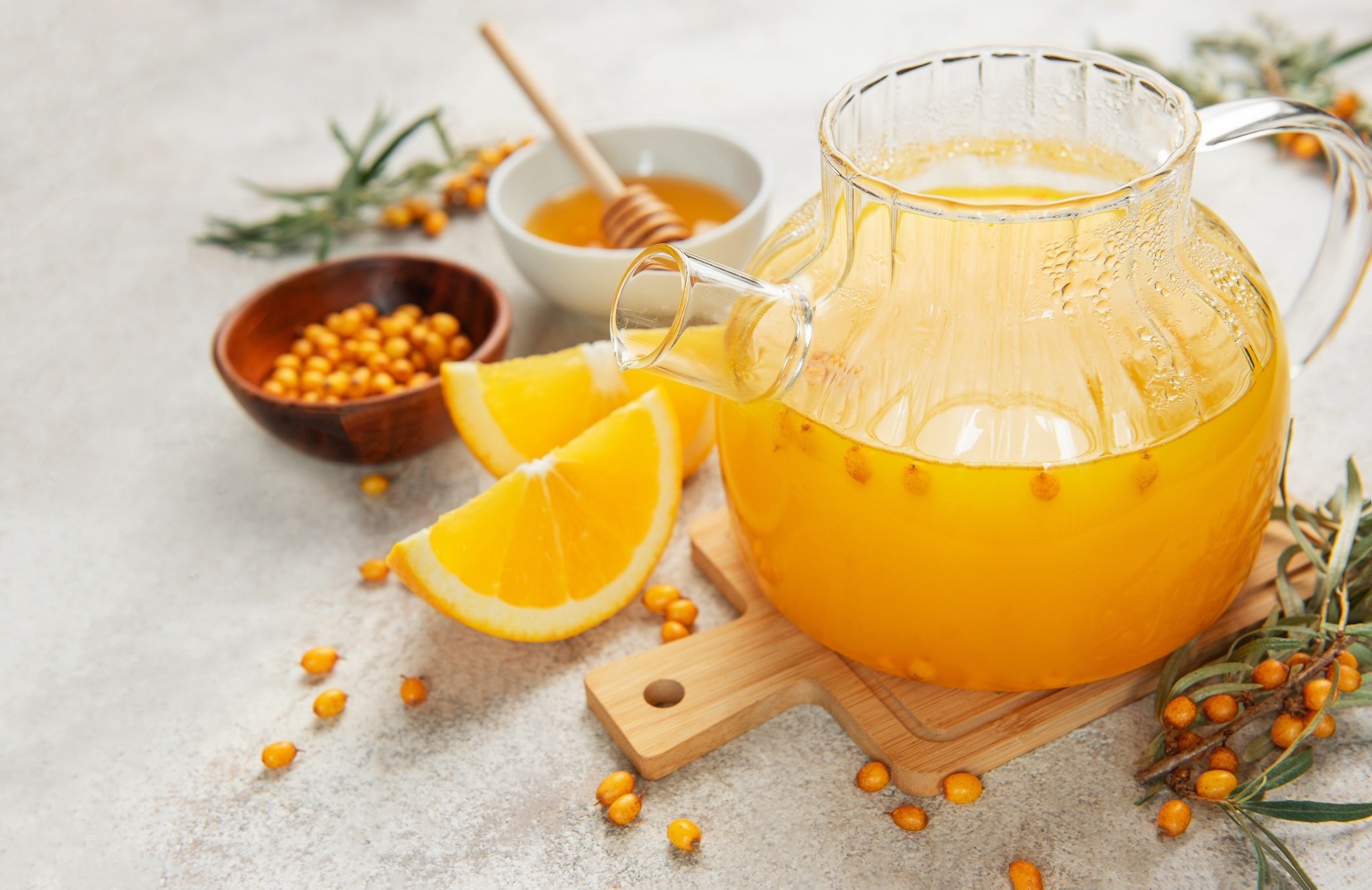
Sea buckthorn berries and oil products are commonly used in functional foods, supplements, and dermatological preparations. Image Credit: Olena Rudo / Shutterstock.com
Skin repair and tissue regeneration benefits
Sea buckthorn oil is a popular ingredient in cosmetic and dermatological formulations due to its skin-hydrating, tissue-regenerative, and barrier-repairing properties. Sea buckthorn oils are rich in palmitoleic acid, omega-3 and omega-6 fatty acids, tocopherols, and carotenoids, which maintain moisture balance, reduce inflammation, and promote skin recovery in skin affected by acne, eczema, and photo-induced damage.3 Much of the mechanistic support for these claims comes from in vitro and animal studies, with more limited direct evidence from human trials.3,4
Sea buckthorn phytochemicals stimulate collagen formation and cell proliferation, as reflected by increased hydroxyproline, protein, and nucleic acid content. Clinical evidence supports these findings, with one randomized trial reporting that a 40% sea buckthorn cream shortened healing time for second-degree burns by approximately 5 days compared to standard silver sulfadiazine treatment.12
Experimental studies suggest that sea buckthorn oil mitigates ultraviolet light (UV)-induced oxidative imbalance by activating nuclear factor erythroid 2-related factor 2 (Nrf2). The combined topical and oral use of berry extracts has also been studied for its potential to improve inflammatory skin conditions like atopic dermatitis and psoriasis.3 Nevertheless, clinical evidence for these dermatological applications remains limited in scale and breadth.3,4,12
Influence on hormonal balance and glucose regulation
Bioactives in sea buckthorn may influence hormonal and metabolic pathways involved in energy balance and glucose regulation. Experimental studies suggest that berry polysaccharides can stimulate brown adipose tissue activity and thermogenesis by activating regulators such as PPAR, uncoupling protein 1 (UCP-1), and PR domain-containing protein 16 (PRDM16).2 These findings are preclinical and should be interpreted as mechanistic leads rather than established clinical effects.2
Dietary fibers and polysaccharides in sea buckthorn reduce postprandial glycemic responses by inhibiting starch digestion, limiting glucose absorption, as well as suppressing α-amylase and α-glucosidase activity. Whereas flavonoids and tocopherols inhibit dipeptidyl peptidase-IV, which prevents insulin degradation, palmitoleic acid-enriched pulp oil improves insulin secretion. Seed proteins enhance insulin sensitivity and hepatic glucose metabolism through sirtuin 1 (SIRT1)-AMPK signaling in diabetic models.2,3 Most of this evidence derives from cell and animal models, and robust human dosing and efficacy data remain limited.2,3
Early animal and cellular studies also indicate potential benefits for metabolic syndrome patients by reducing inflammation and insulin resistance. However, large-scale,well-controlled human trials are needed to confirm these effects and improve the generalizability of the findings for clinical practice.1,2 Emerging review literature also points to possible reproductive and hormonal interactions, but these areas remain incompletely characterized clinically.2
Sea buckthorn and the gut microbiome
In high-fat diet-induced obesity models, sea buckthorn powder modulates gut microbiome composition by increasing the abundance of beneficial bacteria like Akkermansia, while reducing the concentration of pathogenic bacteria like Desulfovibrio. Fermented sea buckthorn preparations improve hepatic lipid metabolism by similarly interacting with intestinal microbiota to increase probiotic Lactobacillus levels. These microbiome findings are derived primarily from animal studies, and their translation to human gut health outcomes remains to be established.13,14
Sea buckthorn leaf and berry extracts exhibit significant antimicrobial activity against gram-positive bacteria, including methicillin-resistant Staphylococcus aureus (MRSA), as well as periodontal pathogens. Broad-spectrum activity against opportunistic pathogens further promotes microbiota diversity and overall gastrointestinal well-being. Antimicrobial activity is well supported experimentally, but claims regarding broader microbiota diversity and gastrointestinal outcomes in humans remain more tentative.15,16
The Life Cycle of Sea Buckthorn | Modern Agricultural Planting and Harvest of Sea Buckthorn Berries
Safety, dosage, and practical use
Sea buckthorn is generally well-tolerated and safe when consumed as whole berries, juice, or oil. Available safety data are encouraging, although much of the formal toxicology evidence remains preclinical. Preclinical studies report low toxicity, with no evidence of genotoxic, teratogenic, or mutagenic effects at typical intake levels. However, mild side effects, including allergic reactions, gastrointestinal discomfort, and harmless changes in urine color, have been reported.1,3
Dosage varies by product form, with greater caution required for supplements as compared to whole foods. Standardized dosing recommendations are still limited because preparations differ substantially in composition and concentration. Seabuckthorn may interact with medications like antidiabetics, antihypertensives, blood thinners, cyclosporine, and certain antidepressants, thus emphasizing the importance of clinical consultation before use.1,3
Practical takeaway
Sea buckthorn berries are rich in bioactive compounds, including antioxidants, vitamins, and healthy lipids, with emerging evidence for metabolic and antioxidant benefits. Preclinical and in vitro studies suggest promising health effects; however, additional studies in human cohorts are needed to optimize dosages and formulations and to evaluate long-term safety, particularly for cardiometabolic outcomes.3
At present, the strongest evidence supports sea buckthorn as a bioactive-rich functional food with promising but not yet fully established clinical benefits across all claimed therapeutic domains.1,2,3
References
- Wang, Z., Zhao, F., Wei, P., et al. (2022). Phytochemistry, health benefits, and food applications of sea buckthorn (Hippophae rhamnoides L.): A comprehensive review. Frontiers in Nutrition 9. DOI: 10.3389/fnut.2022.1036295. https://www.frontiersin.org/journals/nutrition/articles/10.3389/fnut.2022.1036295/full
- Mihal, M., Roychoudhury, S., Sirotkin, A. V., & Kolesarova, A. (2023). Sea buckthorn, its bioactive constituents, and mechanism of action: Potential application in female reproduction. Frontiers in Endocrinology 14. DOI: 10.3389/fendo.2023.1244300. https://www.frontiersin.org/journals/endocrinology/articles/10.3389/fendo.2023.1244300/full
- Dubey, R. K., Shukla, S., Shukla, V., & Singh, S. (2024). Sea buckthorn: A potential dietary supplement with multifaceted therapeutic activities. Intelligent Pharmacy 2(5); 681-687. DOI: 10.1016/j.ipha.2023.12.003. https://www.sciencedirect.com/science/article/pii/S2949866X23001296
- Gęgotek, A., Jastrząb, A., Jarocka-Karpowicz, I., et al. (2018). The effect of sea buckthorn (Hippophae rhamnoides L.) seed oil on UV-induced changes in lipid metabolism of human skin cells. Antioxidants 7(9); 110. DOI: 10.3390/antiox7090110. https://www.mdpi.com/2076-3921/7/9/110
- Olas, B., Kontek, B., Malinowska, P., et al. (2016). Hippophae rhamnoides L. Fruits Reduce the Oxidative Stress in Human Blood Platelets and Plasma. Oxidative Medicine and Cellular Longevity 1; 4692486. DOI: 10.1155/2016/4692486. https://onlinelibrary.wiley.com/doi/10.1155/2016/4692486
- Cho, C., Jang, H., Lee, M., et al. (2017). Sea buckthorn (Hippophae rhamnoides L.) leaf extracts protect neuronal PC-12 cells from oxidative stress. Journal of Microbiology and Biotechnology 27; 1257-1265. DOI: 10.4014/jmb.1704.04033. https://www.jmb.or.kr/journal/view.html?doi=10.4014/jmb.1704.04033
- Jurevičiūtė, I., Keršienė, M., Bašinskienė, L., et al. (2022). Characterization of berry pomace powders as dietary fiber-rich food ingredients with functional properties. Foods 11(5); 716. DOI: 10.3390/foods11050716. https://www.mdpi.com/2304-8158/11/5/716
- Serban, M., Serban, A., Ursoniu, S., & Dragan, S. (2019). Systematic review on the potential of sea buckthorn Hippophae rhamnoides L. for a possible novel enriched bread for the patients with cardiovascular diseases. Atherosclerosis 287. DOI: 10.1016/j.atherosclerosis.2019.06.882. https://www.atherosclerosis-journal.com/article/S0021-9150(19)31339-5/abstract
- Guo, X., Yang, B., Cai, W., & Li, D. (2017). Effect of sea buckthorn (Hippophae rhamnoides L.) on blood lipid profiles: a systematic review and meta-analysis from 11 independent randomized controlled trials. Trends in Food Science & Technology 61; 1-10. DOI: 10.1016/j.tifs.2016.11.007. https://www.sciencedirect.com/science/article/abs/pii/S0924224416300322
- Yang, X., Wang, Q., Pang, Z., et al. (2017). Flavonoid-enriched extract from Hippophae rhamnoides seed reduces high fat diet induced obesity, hypertriglyceridemia, and hepatic triglyceride accumulation in C57BL/6 mice. Pharmaceutical Biology 55; 1207-1214. DOI: 10.1080/13880209.2016.1278454. https://www.tandfonline.com/doi/10.1080/13880209.2016.1278454
- Gao, S., Hu, G., Li, D., et al. (2020). Anti-hyperlipidemia effect of sea buckthorn fruit oil extract through the AMPK and Akt signaling pathway in hamsters. Journal of Functional Foods 66. DOI: 10.1016/j.jff.2020.103837. https://www.sciencedirect.com/science/article/pii/S175646462030061X
- Abdullahzadeh, M., & Shafiee, S. (2021). To compare the effect of sea buckthorn and silver sulfadiazine dressing on period of wound healing in patients with second−degree burns: a randomized triple−blind clinical trial. Wound Repair and Regeneration 29(5); 732-740. DOI: 10.1111/wrr.12916. https://onlinelibrary.wiley.com/doi/10.1111/wrr.12916
- Guo, C., Han, L., Li, M., & Yu, L. (2020). Seabuckthorn (Hippophaë rhamnoides) freeze-dried powder protects against high-fat diet-induced obesity, lipid metabolism disorders by modulating the gut microbiota of mice. Nutrients 12(1); 265. DOI: 10.3390/nu12010265. https://www.mdpi.com/2072-6643/12/1/265
- Ran, B., Guo, C., Li, W., et al. (2021). Sea buckthorn (Hippophae rhamnoides L.) fermentation liquid protects against alcoholic liver disease linked to regulation of liver metabolome and the abundance of gut microbiota. Journal of the Science of Food and Agriculture 101(7); 2846-2854. DOI: 10.1002/jsfa.10915, https://scijournals.onlinelibrary.wiley.com/doi/10.1002/jsfa.10915
- Smida, I., Pentelescu, C., Pentelescu, O., et al. (2019). Benefits of sea buckthorn (Hippophae rhamnoides) pulp oil−based mouthwash on oral health. Journal of Applied Microbiology 126(5); 1594-1605. DOI: 10.1111/jam.14210, https://academic.oup.com/jambio/article-abstract/126/5/1594/6715130
- Lele, V., onstaviciute, E., Varinauskaite, I., et al. (2018). Sea buckthorn (Hippophae rhamnoides L.) and quince (Cydonia oblonga L.) juices and their by-products as ingredients showing antimicrobial and antioxidant properties for chewing candy: nutraceutical formulations. Journal of Food Quality 2018(1); 3474202. DOI: 10.1155/2018/3474202. https://onlinelibrary.wiley.com/doi/10.1155/2018/3474202
Further Reading
Last Updated: Mar 22, 2026