Introduction
Key foods in the Nordic diet
Foods to limit
Health benefits
Can the Nordic diet help with weight loss?
Limitations and considerations
References
Further reading
Discover how the Nordic diet combines traditional Scandinavian foods with modern nutrition science to support heart health, metabolic function, and long-term wellness through a sustainable, plant-forward eating pattern.
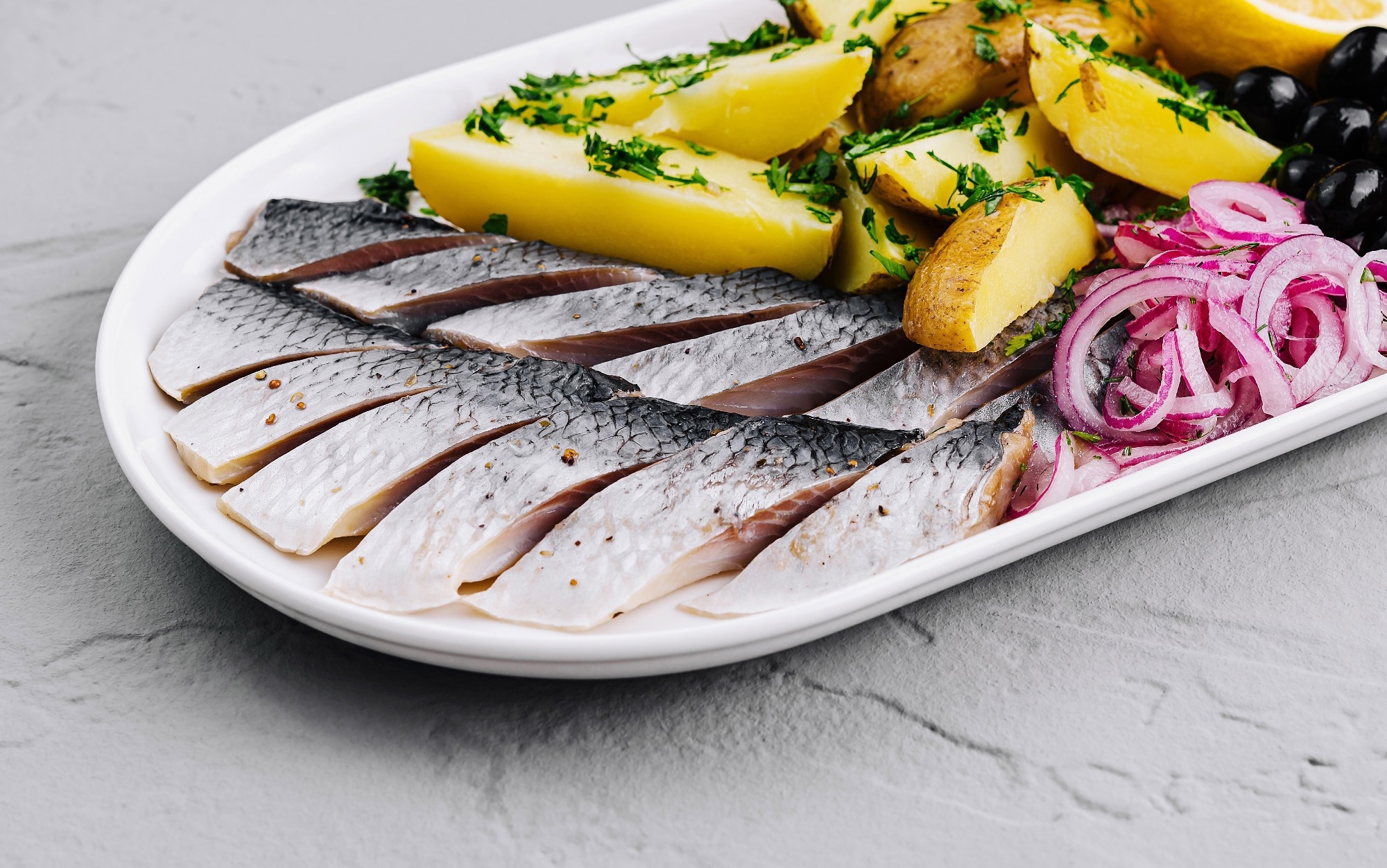 Image Credit: AntAlexStudio / Shutterstock.com
Introduction
Traditional dietary patterns in Northern Europe emphasize whole grains, fish, berries, and root vegetables. Scientific interest in the Nordic diet has grown because several observational and intervention studies suggest potential cardiometabolic benefits.1,2,3 Originating from countries such as Denmark, Finland, Norway, Sweden, and Iceland, the Nordic diet prioritizes local, seasonal, and minimally processed foods. The modern “New Nordic Diet” also incorporates principles of sustainability, seasonal eating, and locally sourced foods.5
Key foods in the Nordic diet
The cold climate of the Nordic countries facilitates the cultivation of root vegetables like carrots, turnips, and beets, as well as cruciferous vegetables. Food items like lingonberries and blueberries, as well as almonds and sunflower seeds, are also widely consumed as part of the Nordic diet.5
Fatty fish such as salmon, herring, and mackerel provide essential long-chain polyunsaturated fatty acids that support cardiovascular and metabolic health. Fish is often consumed several times per week and serves as a primary protein source, replacing higher intakes of red and processed meats.1,5
Legumes like peas and beans are other notable protein sources in the Nordic diet.1,5
Whole grains like rye, oats, and barley are used in a wide range of foods like breads, porridge, and grain-based side dishes. Whole grain foods provide dietary fiber, particularly beta-glucan from oats and barley, which has positive effects on lipid levels and helps regulate blood sugar.1,2
Rapeseed oil is high in unsaturated fatty acids, particularly alpha-linolenic acid, and is used for cooking, dressing, and food preparation. Together, these foods create a balanced dietary pattern characterized by high fiber, healthy fats, and a wide range of essential nutrients.1,5
The Nordic diet shares many similarities with the Mediterranean diet, including an emphasis on plant foods, fish, whole grains, and unsaturated fats, although rapeseed oil is typically used instead of olive oil.1,5
Traditional Norwegian Cuisine | Gordon Ramsay: Uncharted
Foods to limit
The Nordic diet recommends limiting the intake of ultra-processed foods due to high levels of unhealthy fats, sodium, and additives. The consumption of added sugars and refined grains is also avoided, as these ingredients negatively affect blood sugar management and increase the risk of developing metabolic diseases.1
The Nordic diet also restricts the consumption of red meat and processed meats, such as sausages and other meat products. Rather, individuals following this dietary pattern often choose lean proteins such as fish, legumes, and low-fat dairy products.1
Health benefits
Numerous studies have shown that people following the Nordic diet have lower levels of low-density lipoprotein (LDL) cholesterol and improved total cholesterol levels. Randomized trials also report small but meaningful reductions in non-HDL cholesterol, apolipoprotein B, fasting insulin, body weight, body mass index, and systolic blood pressure.2 The health benefits associated with this dietary pattern are attributed to greater intake of unsaturated fats from rapeseed oil, whole grains, and plant foods.
High intake of fruits and vegetables increases potassium intake, thereby supporting optimal blood pressure regulation. Improvements in glycemic control have also been observed among individuals following the Nordic diet, which is likely due to its low glycemic load and high fiber content.1,2
Data sourced from prospective cohort studies indicate that individuals following the Nordic diet have a lower incidence of cardiovascular disease, such as coronary heart disease or stroke. The combined effects of anti-inflammatory, antioxidant, and lipid-lowering properties of Nordic foods contribute to these protective effects.2,3
Large-scale studies confirm that Nordic diet patterns moderately reduce LDL cholesterol, systolic blood pressure, and blood sugar levels. Prospective evidence also links higher adherence with lower risks of all-cause mortality, cardiovascular mortality, cancer mortality, type 2 diabetes, cardiovascular disease, coronary heart disease, stroke, and cancer, although these associations do not prove causality.3 These findings suggest that this diet can play an important role in the prevention and management of cardiometabolic disorders, particularly in individuals at risk of conditions such as type 2 diabetes and cardiovascular disease.1,2
Limited observational and intervention evidence suggests possible associations between the Nordic diet and cognitive or neuropsychological outcomes, though the evidence base remains preliminary.5
 Image Credit: I Wei Huang / Shutterstock.com
Can the Nordic diet help with weight loss?
Results from the published randomized controlled trials suggest that those who follow a Nordic diet lose more body weight and have a lower body mass index. A meta-analysis of 7 randomized controlled trials involving 774 adults found an average additional weight loss of 1.83 kg compared with control diets, while evidence for waist circumference, body fat, and BMI was less conclusive, as fewer studies assessed these outcomes.4
Whole grains, legumes, and vegetables are high in fiber, which enhances satiety that may lead to lower caloric intake. Overall, the Nordic diet provides a sustainable approach to weight management that aligns with broader metabolic health benefits.4
Limitations and considerations
Several studies have established the cardiovascular benefits of following the Nordic diet, including improvements in lipid profiles, blood pressure, and glycemic control. However, evidence for other outcomes like inflammation and long-term clinical endpoints is less consistent, with some studies reporting modest or negligible effects on inflammatory markers.2,3
Most randomized trials on the Nordic diet have been short- to medium-term and conducted in controlled settings. Despite the availability of prospective observational cohort studies, long-term associations with disease outcomes cannot be used to determine causality. Heterogeneity in study design, dietary assessment methods, and adherence scoring systems may also contribute to inconsistent findings across analyses.2,3
The ability to adhere to the Nordic diet may not be achievable for many people living outside Nordic regions due to limited food availability, cultural differences, food preferences, or high food costs. Many key components of the Nordic diet, such as specific types of berries, certain whole grains, and specific oils, may not be readily accessible, limiting the generalizability of Nordic diet studies to other cultures and regions.3
References
- Adamsson, V., Reumark, A., Cederholm, T., et al. (2012). What is a healthy Nordic diet? Foods and nutrients in the NORDIET study. Food & Nutrition Research 56(1). DOI: 10.3402/fnr.v56i0.18189. https://foodandnutritionresearch.net/index.php/fnr/article/view/478
- Massara, P., Zurbau, A., Glenn, A. J., et al. (2022). Nordic dietary patterns and cardiometabolic outcomes: a systematic review and meta-analysis of prospective cohort studies and randomised controlled trials. Diabetologia 65(12); 2011-2031. DOI: 10.1007/s00125-022-05760-z. https://link.springer.com/article/10.1007/s00125-022-05760-z
- Bakhshimoghaddam, F., Jafarirad, S., & Parsanahad, M. (2025). Nordic diet and chronic disease: A GRADE-assessed systematic review and meta-analysis of prospective cohorts and randomized controlled trials. European Journal of Nutrition 64. DOI: 10.1007/s00394-025-03820-9. https://link.springer.com/article/10.1007/s00394-025-03820-9
- Ramezani-Jolfaie, N., Mohammadi, M., & Salehi-Abargouei, A. (2020). Effects of a healthy Nordic diet on weight loss in adults: A systematic review and meta-analysis of randomized controlled clinical trials. Eating and Weight Disorders 25; 1141–1150. DOI: 10.1007/s40519-019-00773-x. https://link.springer.com/article/10.1007/s40519-019-00773-x
- Jafari, R. S., & Behrouz, V. (2023). Nordic diet and its benefits in neurological function: a systematic review of observational and intervention studies. Frontiers in Nutrition 10. DOI: 10.3389/fnut.2023.1215358. https://www.frontiersin.org/journals/nutrition/articles/10.3389/fnut.2023.1215358/full
Further Reading
Last Updated: May 11, 2026