Introduction: Yellow Nutsedge as Weed and Crop
Phytochemical and Bioactive Profile
Experimental Biological Activities and Health Relevance
Processing and Potential Industrial Applications
Conclusion and Future Scientific Outlook
References
Further reading
Best known for its edible tubers, yellow nutsedge has a less-studied above-ground chemical profile. What could its leaves and stems offer researchers investigating plant-derived compounds?
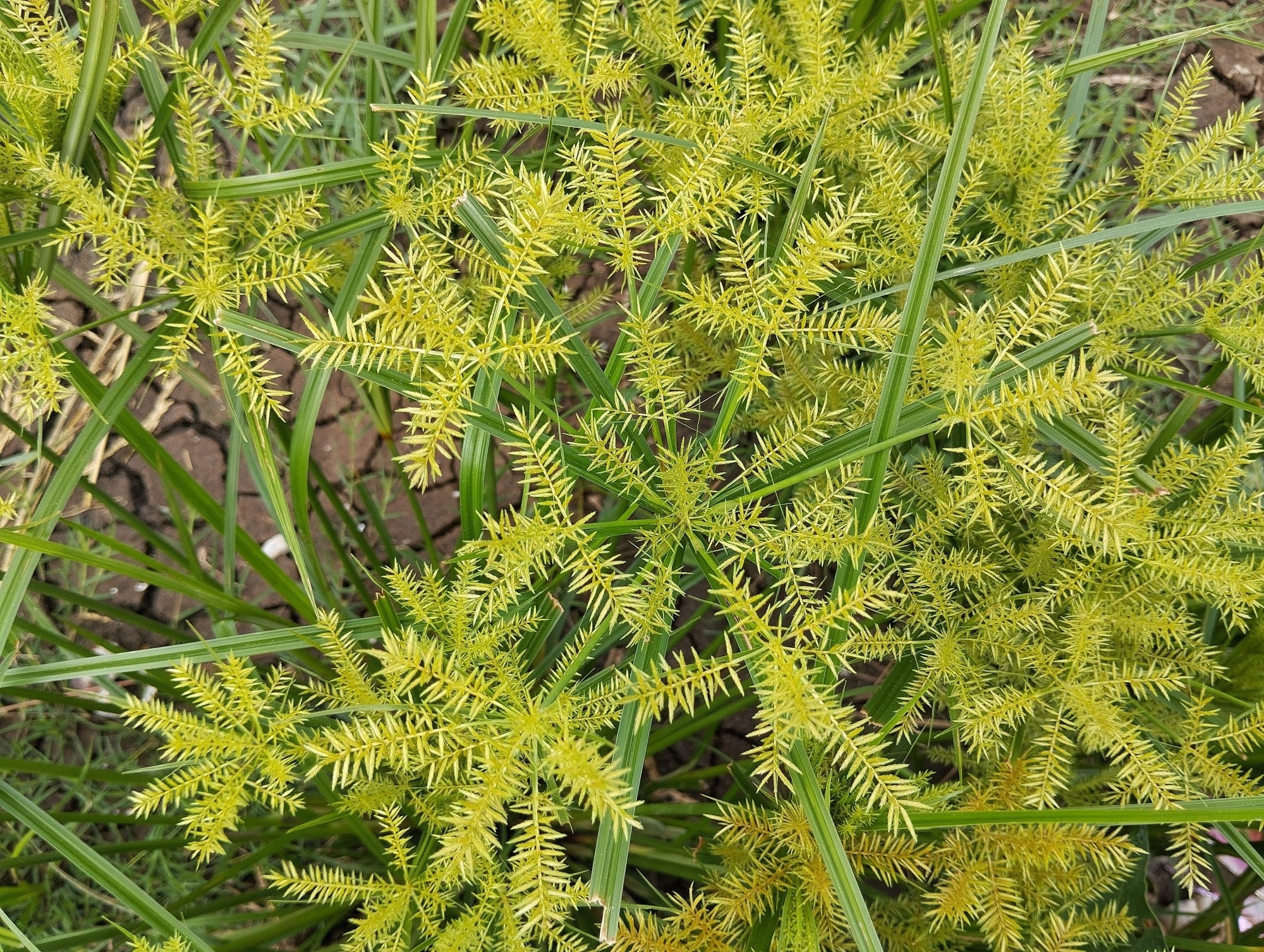 Image Credit: Eka Jaya Permana / Shutterstock.com
Introduction: Yellow Nutsedge as Weed and Crop
Cyperus esculentus occupies an unusual place in agricultural science. In row crops across North America and parts of Europe, it behaves as an aggressive, rhizome-propagating weed. In Spain, particularly Valencia, it is cultivated for its tuber, which is harvested to make the drink horchata.1,2
Botanically, this plant belongs to the sedge family and propagates through underground tubers and rhizomes. This trait supports its persistence as a weed and complicates agricultural management.3 The plant goes by many names, including yellow nutsedge, chufa, earth almond, and tiger nut. The latter names commonly refer to its edible tubers, though their nutritional properties should not be assumed to apply to its aerial tissues or above-ground plant parts.1–3
The cultivation of C. esculentus has a long history. Ancient Egyptian communities used the tubers for food and medicine, while modern production has spread across parts of Africa, Asia, and the Mediterranean.1,3 Established tuber products include horchata de chufa, flour, and oil, alongside raw or roasted tubers.2,4 This established tuber economy provides a context for investigating whether other plant parts could offer additional value.
Research on tiger nut processing also examines uses for underexploited plant resources.2 For yellow nutsedge leaves and stems, the immediate questions concern their chemical composition, experimental biological activities, and potential applications. The available studies examine leaves or combined stem-leaf preparations, leaving the contribution of stems alone less clearly defined.7,8
Phytochemical and Bioactive Profile
In one study, researchers identified 30 compounds present in yellow nutsedge leaves, including flavan-3-ols, caffeic acid derivatives, and flavones, using liquid chromatography-mass spectrometry. Major quantified phenolic constituents included gallocatechin, procyanidin B1, catechin, chlorogenic acid, orientin, and luteolin 7-O-glucuronide.8 These findings provide a tissue-specific basis for discussing the plant’s secondary metabolites, compounds beyond those involved in basic growth and energy storage.
For leaves collected in another study conducted in Hohhot, China, researchers reported procyanidin B1 and orientin at approximately 10.2 and 5.3 mg per gram of dried leaves, respectively.8 These measurements provide useful chemical markers for comparing future preparations; however, their concentrations should not be treated as fixed characteristics of the species.
The reported composition of combined stem-leaf preparations includes 2.5% crude fat, 7.1% crude protein, 47.1% crude fiber, 10.5% ash, and 7.8% sugar expressed as glucose.3 These are secondary-source measurements from the reviewed material; therefore, the percentages should not be generalized across growing conditions or interpreted as evidence of suitability for human consumption.
Phenols, peptides, organic acids, and alkaloids have also been identified in stem-leaf materials.3 Notably, a substance identified in tuber skin or a combined extract should not automatically be described as a constituent of leaves and stems individually.3,4 The plant part, collection conditions, and preparation should accompany compositional findings.
Priorities for future compositional work include comparisons across cultivars, growing locations, and harvest stages. Reliable application development would require reproducible chemical profiles and suitable quality-control markers.
Chufa Flatsedge: Edible, Medicinal & Other Uses
Experimental Biological Activities and Health Relevance
Health-related research on aerial tissues currently centers on antioxidant and antibacterial experiments. Evidence ranges from laboratory assays to animal models, with each preparation and experimental setting determining how the results can be interpreted.3,7,8
Antioxidant activity has been observed in laboratory assays, with gallocatechin, procyanidin B1, and chlorogenic acid contributing most strongly.8 These results show activity under the tested conditions, though they do not establish absorption, effective human doses, or protection against chronic disease.
The same leaf extract showed protection against tebuconazole-induced developmental toxicity and liver injury in zebrafish. Tebuconazole is an agricultural fungicide; therefore, this experiment tested protection in a chemically induced toxicity model, which limits dietary interpretation.8
Antibacterial activity has been observed when evaluating ethanol extracts of tubers, combined stems and leaves, and a mixture of these tissues against Staphylococcus aureus. All preparations inhibited bacterial growth in laboratory testing against the tested strain, S. aureus ATCC 6538, with the mixed preparation producing the strongest effect under the reported conditions.7
This suggests that different tissue preparations merit comparison. The stronger mixed-extract result alone establishes neither clinical efficacy nor interactions between particular compounds. Inhibition-zone measurements also reflect extract loading and movement through agar, which limits comparisons of intrinsic antibacterial potency.7 Microscopy results indicated bacterial structural damage, while metabolomic analysis, which measures changes in small molecules, identified changes involving amino acid, lipid, and nucleotide metabolism in bacteria exposed to the mixed extract.7
Leaf flavonoids have also been tested for antioxidant and antibacterial activity, with experiments showing inhibition of both Gram-positive and Gram-negative bacteria. In fact, one rat study isolated the plant flavonoid orientin from yellow nutsedge leaves; however, these findings for an isolated compound cannot establish the effects of a whole-leaf preparation.3,8
The glycemic and neuroprotective findings described in the wider tiger nut literature require separation by tissue and preparation. Direct studies of aerial tissues are needed to investigate corresponding glycemic, cognitive, or microbiome outcomes.
Processing and Potential Industrial Applications
Using aerial tissues begins with defining the plant material and extraction procedure. In the antibacterial study, plant materials were air-dried, powdered, and extracted using 50% aqueous ethanol with ultrasonic treatment at 50 °C for 30 minutes.7 Importantly, laboratory processing produces a preparation that differs from raw plant material and requires its own compositional and safety assessment.
For future applications, extraction conditions would need to balance compound recovery, stability, solvent requirements, and cost. Reporting extraction yield and concentrations of selected chemical markers would help researchers compare preparations and relate biological activity to the material tested. Studies also need to determine whether activity persists during storage and in the intended product.
Evidence from tuber processing illustrates why performance must be assessed within each intended formulation. Research on wheat-tiger nut flour blends examines tuber-derived ingredients and measures properties such as water absorption, pasting behavior, antioxidant activity, and dough rising.6 Comparable testing would be necessary before proposing leaf or stem powders for specific food applications, alongside a separate safety assessment.
Byproducts from tiger nut milk production, which are rich in residual fiber and phenolics, have been investigated for incorporation into meat products and cereal-based snacks.4 Recovering compounds from leaves and stems alongside tuber production is a possible development strategy; however, its economic and environmental advantages require direct evaluation.
The antibacterial findings support investigating extracts for food preservation or veterinary settings.7 Potential food-preservation or veterinary uses would require testing in relevant systems, including effects on beneficial microorganisms, product quality, and host safety. Practical studies should establish whether activity remains detectable at concentrations compatible with the intended product or exposure route.
These development questions connect chemical characterization with product performance. A reproducible extract would need a defined composition, measurable activity, and acceptable safety under its proposed conditions of use. Current studies provide starting points for that work, though they leave commercial feasibility and appropriate exposure levels unresolved.
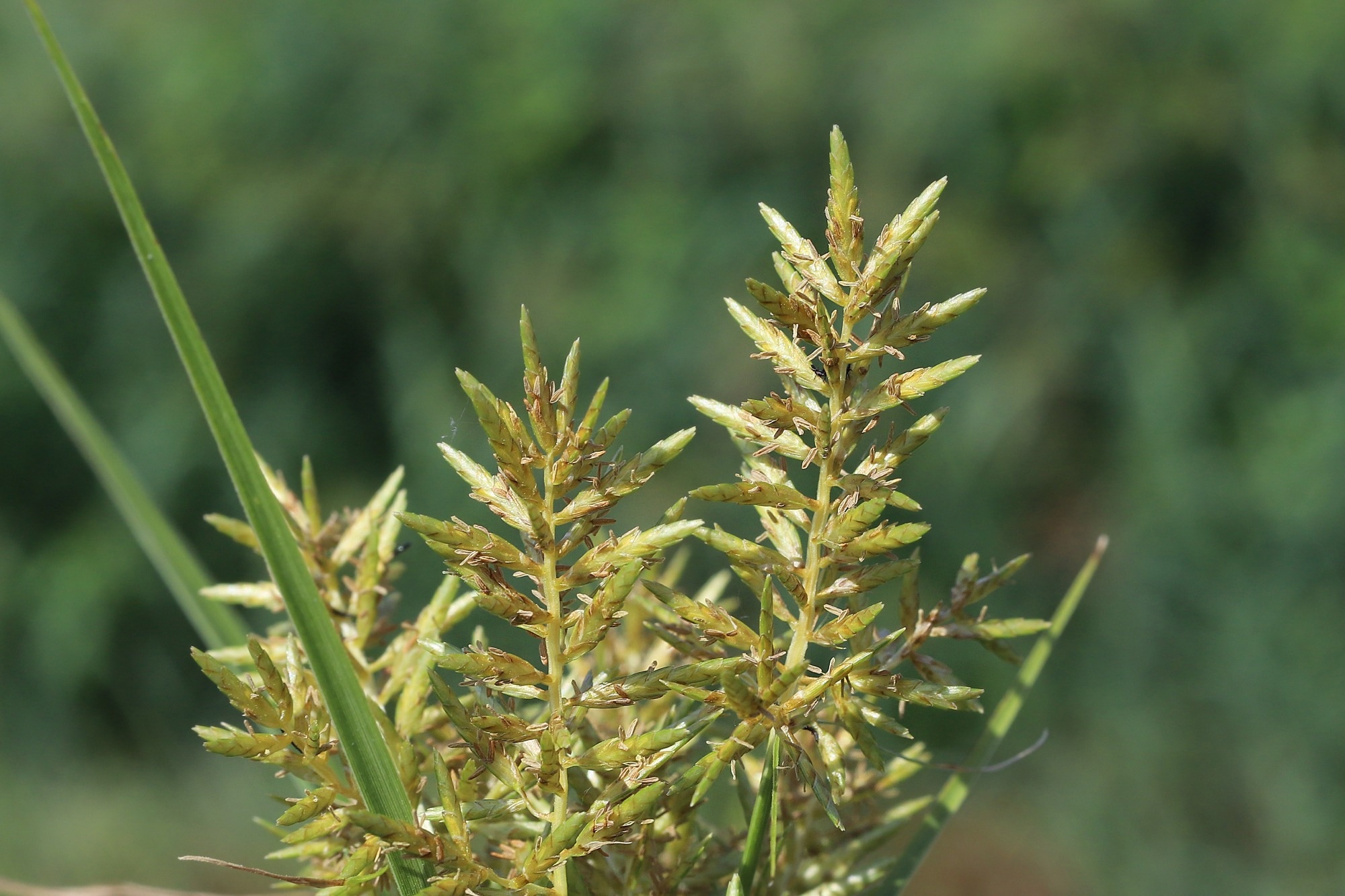 Image Credit: Vankich1 / Shutterstock.com
Conclusion and Future Scientific Outlook
Recent research expands the study of yellow nutsedge beyond its edible tubers. Its leaves and stem-leaf preparations offer a basis for investigating plant compounds and experimental biological activity, while its edible tubers remain a separate, better-established food resource.1,3,7,8
Nevertheless, several research gaps remain, as most evidence from studies of yellow nutsedge leaves and stems comes from chemical assays, bacterial experiments, or a zebrafish toxicity model.7,8 Priorities for development include tissue-specific safety studies, standardized preparations, and bioavailability data, including the extent to which compounds are absorbed and become available in the body. This information would help determine whether human efficacy studies or proposed consumption levels are justified.
Existing studies also lack a sufficiently consistent basis for comparing preparations across plant parts and growing conditions. Future research should distinguish leaves from stems, as well as report extraction yields and chemical markers alongside biological outcomes. The same approach would allow researchers to test whether particular chemical profiles consistently predict activity.
Microbiological safety also warrants more attention, as do pesticide residues, other contaminants, and any compounds concentrated during extraction. Reported contamination in established tuber beverages illustrates the importance of checking each material and process; however, aerial tissues need their own contamination data.2
Investigating aerial biomass could broaden how the crop is evaluated. Any contribution to resource efficiency must be weighed against processing costs and the plant’s weed-management burden.
References
- Knazicka, Z., Jurikova, T., Kovacikova, E.,et al. (2026). Biological Properties, Mineral Composition, and Health-Promoting Potential of Tiger Nut Tubers (Cyperus esculentus L.) as a Novel and Underutilized Food Source. Foods 15(2), 191. DOI: 10.3390/foods15020191. https://www.mdpi.com/2304-8158/15/2/191
- Roselló-Soto, E., Garcia, C., Fessard, A., et al. (2019). Nutritional and Microbiological Quality of Tiger Nut Tubers (Cyperus esculentus), Derived Plant-Based and Lactic Fermented Beverages. Fermentation 5(1), 3. DOI: 10.3390/fermentation5010003. https://www.mdpi.com/2311-5637/5/1/3
- Zhang, S., Li, P., Wei, Z., et al. (2022). Cyperus (Cyperus esculentus L.): A Review of Its Compositions, Medical Efficacy, Antibacterial Activity and Allelopathic Potentials. Plants 11(9), 1127. DOI: 10.3390/plants11091127. https://www.mdpi.com/2223-7747/11/9/1127
- Yu, Y., Lu, X., Zhang, T., et al. (2022). Tiger Nut (Cyperus esculentus L.): Nutrition, Processing, Function and Applications. Foods 11(4); 601. DOI: 10.3390/foods11040601. https://www.mdpi.com/2304-8158/11/4/601
- Saeed, M. M., Fernández-Ochoa, Á., Saber, F. R., et al. (2022). The Potential Neuroprotective Effect of Cyperus esculentus L. Extract in Scopolamine-Induced Cognitive Impairment in Rats: Extensive Biological and Metabolomics Approaches. Molecules 27(20); 7118. DOI: 10.3390/molecules27207118. https://www.mdpi.com/1420-3049/27/20/7118
- Nedviha, S., & Harasym, J. (2024). Functional and Antioxidative Characteristics of Soft Wheat and Tiger Nut (Cyperus esculentus) Flours Binary Blends. Foods 13(4); 596. DOI: 10.3390/foods13040596. https://www.mdpi.com/2304-8158/13/4/596
- Zhang, Y., Ma, Z., Wang, X., et al. (2026). Flavonoid-Rich Cyperus esculentus Extracts Disrupt Cellular and Metabolic Functions in Staphylococcus aureus. Microorganisms 14(1); 260. DOI: 10.3390/microorganisms14010260. https://www.mdpi.com/2076-2607/14/1/260
- Ma, J., Feng, X., Meng, H., et al. (2022). Chemical Constituents of Cyperus esculentus Leaves and the Protective Effect against Agricultural Fungicide-Induced Hepatotoxicity. Chemistry & Biodiversity 19(11). DOI: 10.1002/cbdv.202200531. https://onlinelibrary.wiley.com/doi/epdf/10.1002/cbdv.202200531
Further Reading
Last Updated: Nov 11, 2026
 Marigold flower as a sustainable plant protein for food innovation