Researchers uncover a microbial signature in the lungs of severe pneumonia patients. Could this help explain survival differences and hint at new paths for earlier, more accurate prognosis?
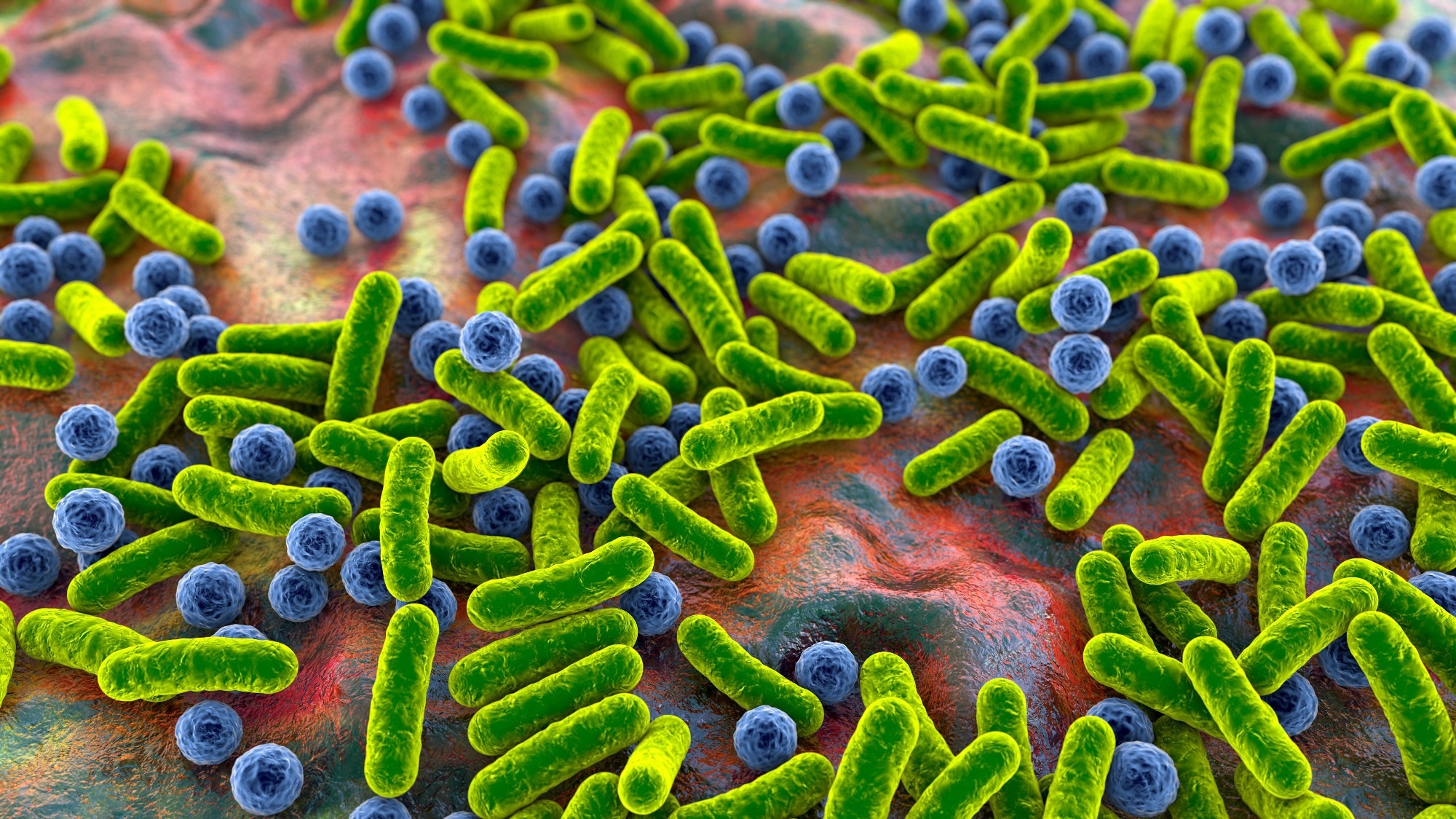 Study: Lung and gut microbiota profiling in severe community acquired pneumonia patients: A prospective pilot study. Image Credit: Kateryna Kon / Shutterstock.com
A recent study in Frontiers in Microbiology examines the gut and lung microbiota of severe community-acquired pneumonia (SCAP) patients to identify microbial patterns that may be predictive of clinical outcomes.
The role of the gut-lung axis in SCAP
SCAP is a life-threatening form of pneumonia with high prevalence and mortality rates. SCAP is characterized by a severe inflammatory response to infections, typically caused by Streptococcus pneumoniae and Staphylococcus aureus, which are treated with aggressive antibiotics and intensive supportive care.
The lung and gut microbiomes, which are collectively referred to as the gut-lung axis, are emerging as key regulators of overall health and immune function, especially in SCAP patients. Disruption of this axis can profoundly affect immune balance and the severity of SCAP.
Changes in the lung microbiome are associated with disease progression, largely due to heightened inflammation and altered immune responses that impair the function of alveolar macrophages, which are essential for clearing pathogens.
Gut dysbiosis can also increase the severity of respiratory infections, influencing treatment efficacy. For example, certain gut microorganisms secrete short-chain fatty acids (SCFAs), which activate G protein-coupled receptors that modulate pulmonary immune responses.
To date, the relationship between lung and gut microbiota composition and host vulnerability in severe pneumonia remains unclear. Therefore, further research is needed to understand how the gut-lung axis may predict clinical outcomes in SCAP patients.
Profiling lung and gut microbiome in SCAP patients
The current prospective study was conducted at the Fuzhou University Affiliated Provincial Hospital between January 2024 and January 2025. All study participants were 18 years of age or older and diagnosed with SCAP. A total of 50 participants met the eligibility criteria and were assigned to either the survival or death group based on their clinical outcomes.
Bronchoalveolar lavage fluid (BALF), fecal, and sputum samples were collected using a standardized protocol. DNA extraction, sequencing, and analysis were performed on all clinical samples.
Of the 50 eligible participants, 18% of patients died, with the remaining 82 % included in the survival group. Approximately 78 % and 77 % of study participants in the survival and death groups, respectively, were male, with mean ages of 49.5 and 75 years.
The baseline characteristics of both groups were similar; however, patients in the death group were more likely to require mechanical ventilation and develop sepsis. A total of 26 BALF and 15 sputum samples were collected from the survival group, along with six BALF and three sputum samples obtained from the death group.
Alpha diversity within the lung microbiome was significantly different between the death and survival groups of SCAP patients, as measured by Shannon or Chao1 diversity indices. As compared to SCAP patients in the survival group, those in the death group exhibited a significant reduction in α-diversity. Alpha diversity of the gut microbiome did not differ between the two groups, as indicated by Shannon and Chao1 diversity indices.
Interestingly, no significant differences in beta diversity were observed between the two groups in the lung and gut microbiomes.
Clustering Operational Taxonomic Units (OTUs) rank curves were developed to represent the microbial community structure. The OTU rank curves identified differences in microbial community structure between the two study groups for both lung and intestinal samples. Herein, the survival group exhibited higher species richness and uniformity than the death group.
Higher abundances of species belonging to the phyla Actinomycota, Bacteroidota, and Campylobacterota were present in the lung microbiomes of patients in the survival group as compared to those who died. At the genus level, a higher relative abundance of Streptococcus was observed in the survival group as compared to the death group.
No significant differences were observed in taxonomic levels between the gut microbiomes of the two groups. Nevertheless, the bar plot analysis indicates a significantly lower abundance of lung and gut bacterial microbiota in the death group as compared to the survival group.
Linear discriminant analysis Effect Size (LEfSe) analyses revealed significantly different respiratory microbiota in test groups. For example, the respiratory microbiota in the survival group contained species from the Micrococcaceae, Micrococcales, Coriobacteriaceae, Coriobacteriales, Verrucomicrobiales, Verrucomicrobia, Neisseriaceae, Erysipelotrichaceae, Erysipelotrichalesc, Erysipelotrichia, Selenomonadales, Selenimonas, Bacteroidales, and Bacteroidaceae as compared to the death group.
In the death group, Hahellaceae and Geminicoccaceae were notable members of the respiratory microbiota, while Intrasporangiaceae, Chthonomonadaceae, Chthonomonadida, and Fimbriimonadia were crucial components of the intestinal flora.
UPGMA analysis revealed a significant reduction in bacterial communities in the death group, thus emphasizing the importance of beneficial microorganisms for the survival of SCAP patients. Asteroleplasma and Campylobacter in the lungs were positively correlated with neutrophil percentage.
Acinetobacter positively correlated with procalcitonin (PCT) and C-reactive protein (CRP), which are inflammatory biomarkers. Neisseria negatively correlated with PCT or CRP, whereas Corynebacterium positively correlated with CRP.
Microbial composition predicts disease prognosis and severity
Analytical data strongly linked microbiota composition with clinical parameters, which can be further exploited to predict SCAP patient prognosis and disease severity. However, the cross-sectional design of the current study limits interpretation of causality and temporal dynamics. Thus, future studies with stricter sampling protocols, longitudinal monitoring, and mechanistic investigations are needed to clarify the role of microbiota in SCAP progression and outcomes.
Download your PDF copy now!
 ICU pneumonia mortality rates remain elevated in developing nations