A new UK study reveals that alcohol-free and low-alcohol drinks are now a go-to choice for pregnant women seeking safer social options. However, many remain uncertain about how safe they actually are, as guidance from healthcare professionals is still inconsistent.
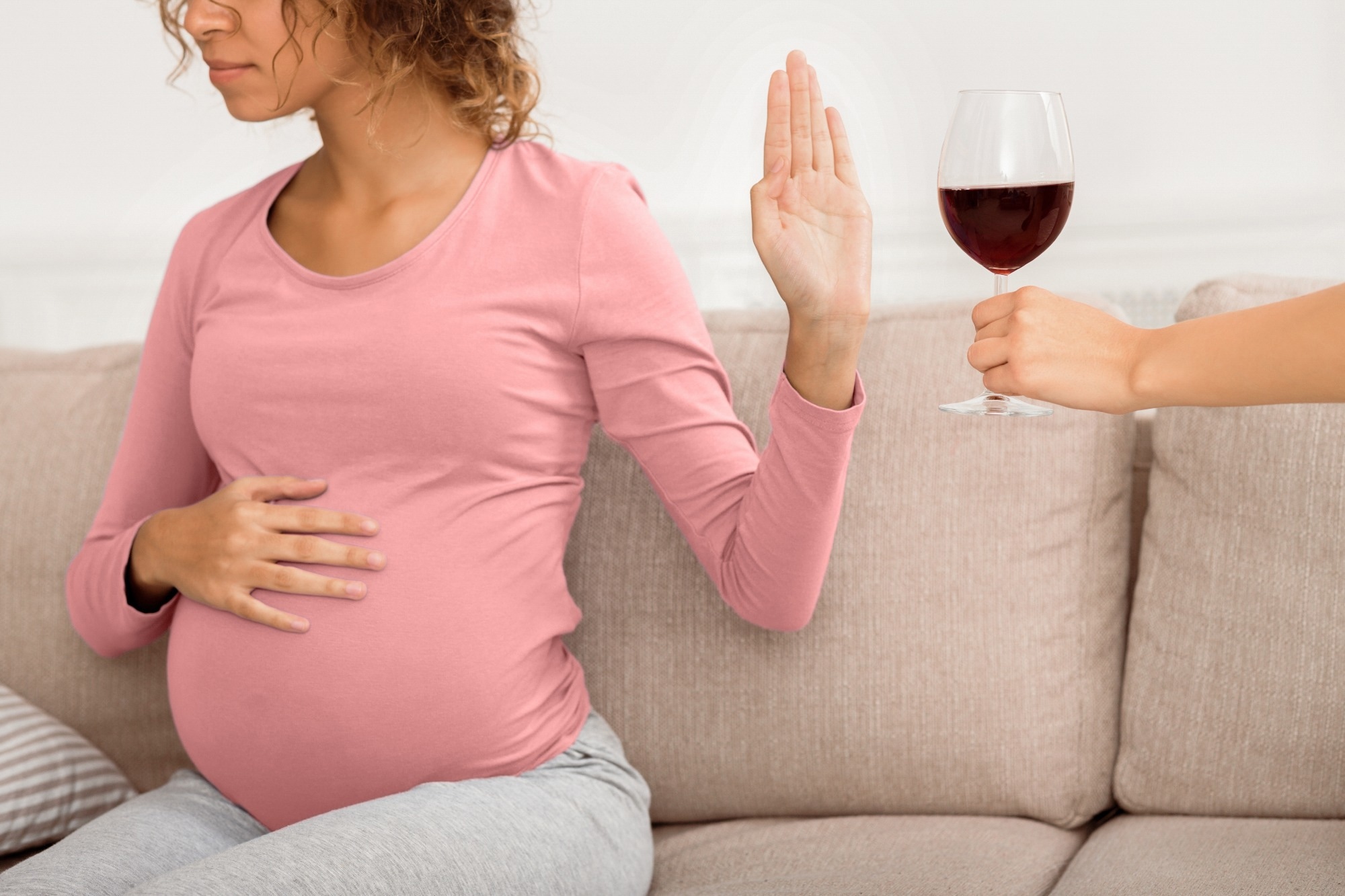 Study: The use of alcohol-free and low-alcohol drinks in pregnancy in the UK. Image credit: Prostock-studio/Shutterstock.com
In a recent study in European Journal of Public Health, researchers investigated pregnant women’s awareness, attitudes, and consumption of low- and no-alcohol drinks, linking these behaviors to alcohol use before pregnancy.
Most participants in the study consumed low-alcohol or alcohol-free drinks while pregnant, but many expressed safety concerns, indicating a need for clearer guidance.
High UK drinking rates contrast with strict pregnancy guidance
Alcohol-free and low-alcohol drinks are increasingly consumed in the UK, with nearly 10 % of adults drinking them weekly. Their popularity has prompted public health interest in their potential to reduce alcohol-related harm, particularly since heavier drinkers appear to be purchasing them more frequently. Despite this growing trend, little is known about how these products are used before or during pregnancy.
Alcohol is a well-established teratogen, and global health guidance states that no level of consumption is safe during pregnancy. Nonetheless, alcohol use during pregnancy remains common: globally, about 9.8 % of pregnant women drink alcohol, and rates are even higher in Europe.
In the UK, approximately 41 % of pregnant women consume alcohol, contributing to one of the highest national rates of Fetal Alcohol Spectrum Disorder, which affects child health, development, and educational outcomes.
Patterns of alcohol use before pregnancy are poorly documented due to a lack of routine monitoring and the high proportion of unplanned pregnancies. With alcohol-free drinks on the rise and alcohol use in pregnancy still common, this study examined women’s awareness, motivations, barriers and information sources around these alternatives.
Alcohol intake habits before and during pregnancy
This cross-sectional online survey targeted women aged 18 years or older living in the UK who were either currently pregnant or had been pregnant within the past year. Recruitment took place in February 2025 through paid advertisements on social media, directing participants to a secure online survey platform.
The final questionnaire consisted of five sections: pregnancy history, alcohol, alcohol-free, and low-alcohol drink intake during pregnancy, the same intake measures for the preconception period (defined as the three months before pregnancy), attitudes and beliefs regarding these drinks, and demographic information.
Alcohol consumption was quantified using a validated tool (adapted from the AUDIT-C measure) to classify participants into ‘low-risk’ (14 or fewer units each week) or ‘increasing-risk’ (more than 14 units each week) categories.
Questions on motivations and barriers for consuming alcohol-free/low-alcohol drinks were adapted from previous research and allowed multiple responses, including free-text entries. Definitions and alcohol-by-volume thresholds were reiterated throughout to ensure clarity. Frequencies were generated for all variables, and categorical differences were assessed using chi-square or Fisher’s exact tests.
Most pregnant women chose low-alcohol substitutes
A total of 2,092 women completed the survey. Most lived in England and identified as White, and nearly half were currently pregnant. Pre-pregnancy alcohol use varied: 14.5 % abstained, while 6.1 % exceeded 14 units per week and were classified as the ‘increasing-risk’ group.
Reducing alcohol intake in preparation for pregnancy was common, especially among first-time mothers. Before pregnancy, 40.9 % consumed alcohol-free or low-alcohol drinks, usually infrequently.
During pregnancy, 86.5 % reported complete abstinence from alcohol, though women in the increasing-risk category were significantly more likely to continue drinking. Conversely, alcohol-free and low-alcohol drinks were widely consumed during pregnancy (71.3 %), with much higher use among those previously drinking at risky levels (91.4 % compared with 69.9% in the lower-risk group). Most drank these alternatives only occasionally, though heavier pre-pregnancy drinkers used them more frequently.
The main motivations for choosing alcohol-free/low-alcohol options were seeking a safer alternative and wanting to remain socially included. Common reasons for avoiding them included preferring soft drinks and concerns about incomplete alcohol removal or safety during pregnancy. A subset of participants also used these products to avoid disclosing early pregnancy, particularly among those with previously higher alcohol intake.
Most participants believed information about these products was insufficient, and over half had received no guidance from health professionals. Internet searches were the most common source of information.
Women want guidance health services aren't providing
The survey shows that alcohol-free and low-alcohol drinks are widely used during pregnancy, especially among women who drank at higher-risk levels before conceiving. Many chose these products to adopt a safer alternative or maintain social inclusion, and some used them to avoid disclosing an early pregnancy.
However, concerns about residual alcohol content, unclear safety, and inconsistent advice were common. Although most participants viewed 0 % alcohol by volume (ABV) drinks as acceptable, far fewer felt comfortable with products containing 0.5–1.2 % ABV.
The study highlights a clear information gap: women often rely on online searches because health professionals rarely provide guidance. The large, UK-wide sample is a strength, but online recruitment, overrepresentation of highly educated participants, self-reported intake, and lack of data on timing or behavior change limit generalizability.
Overall, clearer clinical guidance is needed, and future work should examine whether alcohol-free and low-alcohol drinks can support harm reduction for women with higher-risk drinking patterns.
Download your PDF copy now!
 Childhood trauma linked to risky health behaviors in late adolescence