By comparing autistic children with their own siblings and peers, researchers uncover distinct gut microbiome signatures and subtle links to social and emotional features, pointing to future dietary and microbial research targets rather than immediate treatments.
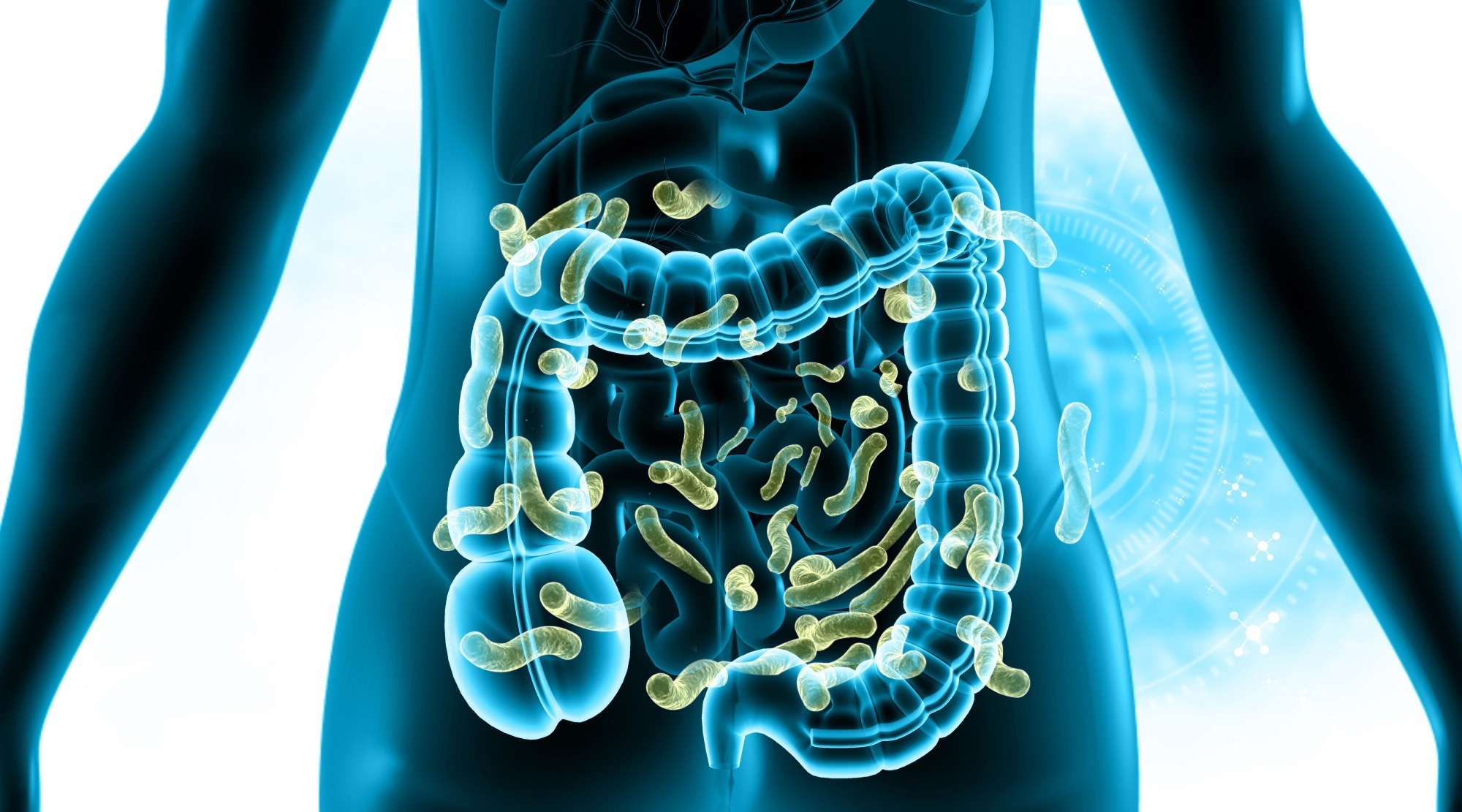
Study: Identifying gut microbiota composition disparities in autistic individuals and their unaffected siblings: correlations with clinical characteristics. Image Credit: Explode / Shutterstock
In a recent study published in the journal Translational Psychiatry, researchers identified differences in gut microbiota among autistic individuals, their unaffected siblings (SIB), and typically developing controls (TDC), and examined links between microbial profiles and clinical features such as social behavior and gastrointestinal (GI) symptoms.
Autism Prevalence and Gut-Brain Questions
Autism spectrum disorder (ASD) affects 1 in 36 children in the United States (US), and many individuals with ASD also experience GI problems that can exacerbate mood, sleep, and daily functioning. Families frequently ask about the gut–brain connection and whether diet, microbes, or both may be beneficial.
Sibling-controlled designs help detect microbial signals by reducing confounding from shared genetic and home-environmental factors. However, prior research has been limited by methodological heterogeneity and inconsistent findings, particularly in Asian populations where data remain scarce. Identifying which bacteria differ in ASD, which are relatively enriched in SIB groups, and how profiles relate to symptoms may guide practical interventions. Given the cross-sectional nature of existing evidence and typically modest effect sizes in microbiome–behavior research, causal pathways require further confirmation.
Study Population and Clinical Measures
This East Asian study enrolled autistic individuals diagnosed according to the Diagnostic and Statistical Manual of Mental Disorders, Fifth Edition (DSM-5), using the Autism Diagnostic Interview-Revised (ADI-R) and Autism Diagnostic Observation Schedule (ADOS/ADOS-2), along with their biological SIB comparators and neighborhood-matched TDC.
Emotional and behavioral characteristics were assessed with the Social Responsiveness Scale (SRS) and Child Behavior Checklist (CBCL). Cognitive ability was measured using full-scale intelligence quotient (FIQ), and body mass index (BMI) served as a health covariate. Psychiatric screening used the Kiddie-Schedule for Affective Disorders and Schizophrenia–Epidemiological Version (K-SADS-E). Fresh stool samples were collected, frozen, and processed for 16S ribosomal ribonucleic acid (16S rRNA) profiling.
Microbiome Sequencing and Analysis Methods
Deoxyribonucleic acid (DNA) was extracted before polymerase chain reaction (PCR) amplification of the V3–V4 region, followed by sequencing on an Illumina platform. Amplicons were analyzed using Quantitative Insights into Microbial Ecology 2 (QIIME2) to generate amplicon sequence variants (ASVs), which were classified using reference databases and rarefied to ensure comparable read depth.
Community diversity was analyzed using non-parametric multivariate methods, including permutational multivariate analysis of variance (PERMANOVA), Principal Coordinates Analysis (PCoA), UniFrac, and Bray–Curtis distances. Differentially abundant ASVs were identified using Linear Discriminant Analysis Effect Size (LEfSe) with Benjamini–Hochberg false discovery rate (FDR) adjustment. Predicted functional profiles were estimated using Phylogenetic Investigation of Communities through Reconstruction of Unobservable States 2 (PICRUSt2).
Microbial Diversity and Taxonomic Patterns
Participants included autistic children, their SIB counterparts, and TDC aged 4 to 25 years with comparable age and BMI. SIB and TDC showed higher FIQ than ASD, consistent with clinical recruitment. GI complaints did not differ significantly across groups after screening, although GI symptoms were common overall, and food preferences varied between groups in line with selective eating patterns reported in autism.
More than 11,000 ASVs spanning over 600 genera were identified. Across alpha-diversity metrics, SIB exhibited higher diversity than ASD on some indices and higher diversity than TDC on others, suggesting a comparatively richer microbial community among siblings sharing the same home environment. Differences between ASD and TDC were limited to specific indices. Beta diversity differed across groups, with the clearest separation between ASD and TDC and the greatest within-group variability in ASD. These patterns were not materially altered by age or upper GI symptoms.
TDC were characterized by a higher relative abundance of several short-chain fatty acid–producing genera, including Anaerostipes, Blautia, the Eubacterium hallii group, Ruminococcaceae UCG-013, and Parasutterella. In contrast, SIB showed enrichment for Prevotellaceae-related taxa, including Prevotella 7, Alloprevotella, and the genus Agathobacter. ASD samples exhibiteda lower abundance of multiple butyrate-producing genera compared with the other groups.
Functional Predictions and Symptom Associations
Findings were supported by complementary pipelines, including Analysis of Composition of Microbiomes (ANCOM) and ANOVA-Like Differential Expression tool, version 2 (ALDEx2). PICRUSt2 suggested group differences in pathways related to amino acid and carbohydrate metabolism, though most predicted differences did not survive FDR correction and should be considered hypothesis-generating.
Microbial community structure defined by LEfSe-identified taxa was associated with specific autistic symptom domains and selected GI symptoms after adjusting for age, sex, FIQ, and BMI. Notably, a greater abundance of Anaerostipes was inversely correlated with total SRS scores, indicating fewer social-communication difficulties, and was also inversely associated with CBCL internalizing symptoms and emotional dysregulation. Correlation strengths were small to moderate. Additional analyses using multiple diversity and differential-abundance methods produced consistent overall patterns.
Interpretation, Limitations, and Future Directions
Using a rigorous sibling-control design in an East Asian cohort, autistic individuals exhibited gut microbiota profiles that differed most clearly from those of TDC, whereas unaffected siblings were enriched for Prevotellaceae-related taxa and Agathobacter. A higher abundance of Anaerostipes was associated with fewer social-communication difficulties and lower internalizing symptoms.
Because the study was cross-sectional and relied on predicted functional profiling, causal inference is not possible. Additional limitations include sex imbalance and stringent exclusion criteria, which may affect generalisability. Validation with metagenomics and metabolomics is needed, but the observed taxonomic and diversity patterns highlight candidate microbial targets for future dietary or probiotic intervention studies.
Journal reference:
- Chang J.-C., Chen Y.-C., Lin H.-T., Chen Y.-L., Gau S. S.-F. (2025). Identifying gut microbiota composition disparities in autistic individuals and their unaffected siblings, correlations with clinical characteristics. Translational Psychiatry. DOI: 10.1038/s41398-025-03768-8. https://www.nature.com/articles/s41398-025-03768-8
 Autistic people face a fourteen-year deficit in life expectancy