Scientists reveal how shifts in the vaginal microbiome during pregnancy may influence inflammation and preterm birth risk, pointing to new microbiome-based therapies that could improve maternal and infant health outcomes.
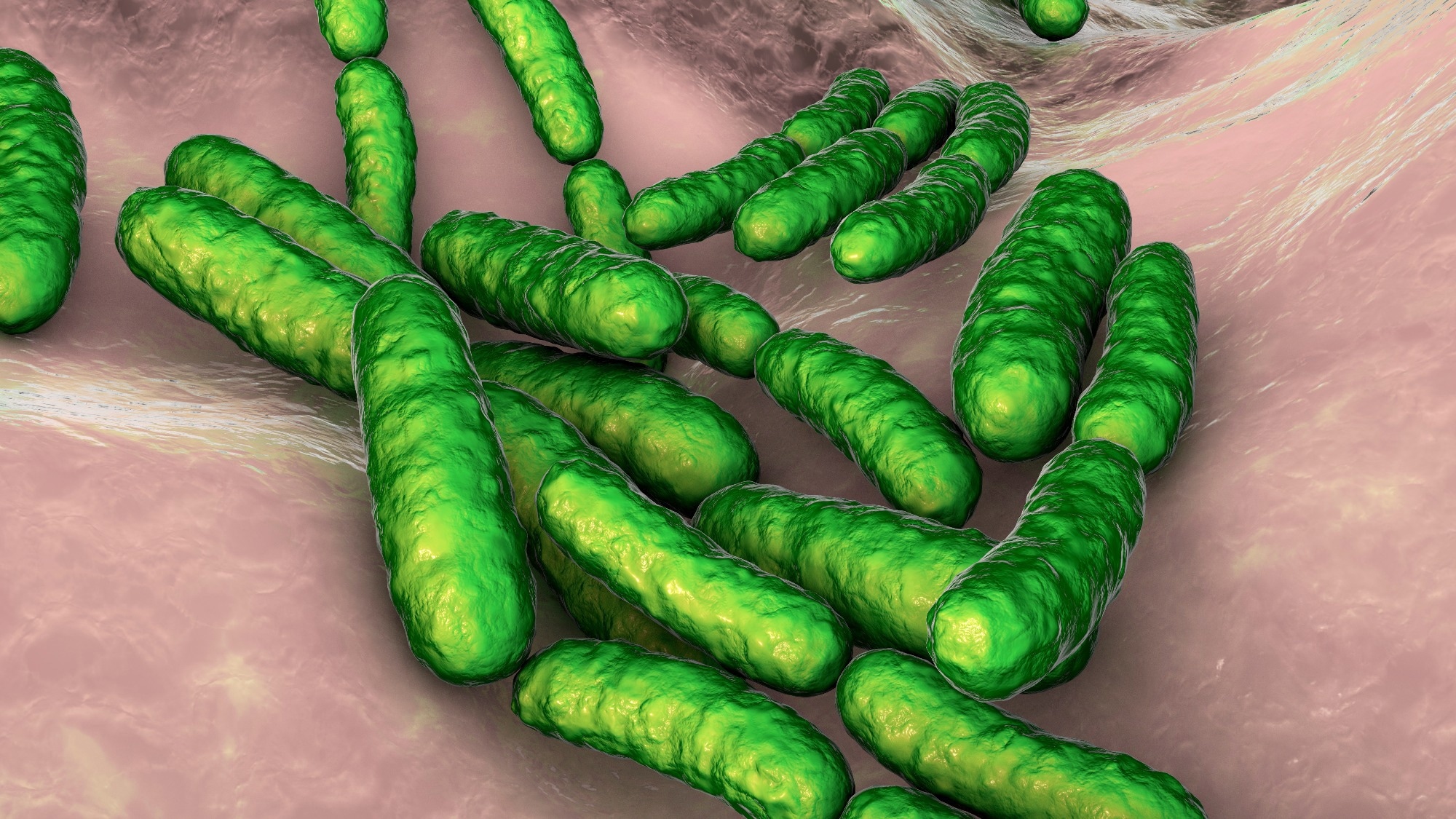
Study: The vaginal microbiome in pregnancy and preterm birth: mechanisms, disparities, and therapeutic opportunities. Image Credit: Kateryna Kon / Shutterstock
In a recent review published in the journal npj Biofilms and Microbiomes, researchers synthesized current research on the vaginal microbiome’s role in pregnancy and its impact on spontaneous preterm birth. The review highlights evidence suggesting that a Lactobacillus-dominated environment is commonly associated with immune tolerance, whereas dysbiosis is linked to physiologically detrimental inflammatory cascades.
The review further examines scientific observations of ancestry-related disparities in microbiome composition and discusses how these differences may contribute to, but do not fully explain, preterm birth disparities. It also evaluates promising next-generation interventions, such as live biotherapeutics and targeted therapies, that are currently under development and undergoing active clinical investigation to restore microbial balance and improve maternal–fetal outcomes.
Preterm birth remains a global challenge with complex biological and social drivers
Preterm birth (PTB) is clinically defined as delivery before 37 completed weeks of gestation. It remains a leading cause of neonatal morbidity and infant mortality worldwide, with estimates suggesting a global prevalence of approximately 9.9% of all deliveries, corresponding to around 13.4 million premature births in 2020.
Despite decades of research and advances in obstetric care, PTB rates remain largely unchanged in many regions. Studies in the United States (US) show marked disparities, with Black mothers experiencing disproportionately higher PTB rates approaching 14.86%.
PTB is considered a complex multifactorial condition influenced by genetics, stress, environmental exposures, structural and socioeconomic factors, and lifestyle. These interacting factors have historically made prediction and prevention difficult.
Increasing attention has focused on the potential role of the vaginal microbiome (VM) in maternal–fetal health. Researchers hypothesize that the composition and stability of the VM may influence pregnancy outcomes, including the risk of PTB.
Although stable microbial communities are known to support healthy pregnancies, the biological mechanisms linking microbial disruptions to early labor remain poorly understood. There is also a growing need to clarify how microbiome changes intersect with broader social and biological determinants of pregnancy outcomes.
Review synthesizes multi-omics research to map microbiome dynamics in pregnancy
The review synthesizes recent molecular, clinical, and population-level research examining vaginal microbiome dynamics during pregnancy and their association with preterm birth.
It summarizes ecological changes in maternal microbial communities across different stages of pregnancy and examines their potential links to adverse pregnancy outcomes.
To explore cross-population variation, the review evaluated findings from large-scale studies such as the Multi-Omic Microbiome Study–Pregnancy Initiative (MOMS-PI), which compared microbial profiles among women of African, Hispanic, European, and Asian ancestry.
The authors also reviewed findings from modern multi-omics approaches, including metagenomics, untargeted metabolomics, and transcriptomics. These technologies help characterize microbial genetic material, metabolic byproducts, and host gene expression at the maternal–fetal interface.
The review further examined current clinical strategies for preventing PTB and discussed emerging microbiome-targeted therapies currently under investigation in early-stage studies and clinical trials.
Protective Lactobacillus species support pregnancy, while dysbiosis triggers inflammation
The review found that healthy, full-term pregnancies are frequently associated with a Lactobacillus-dominated vaginal microbial community.
In particular, Lactobacillus crispatus produces lactic acid that maintains a highly acidic vaginal environment (pH 3.5–4.5). This acidic environment reinforces the epithelial barrier and suppresses inflammatory signaling.
In contrast, dysbiosis, characterized by the overgrowth of anaerobic bacteria, such as Gardnerella vaginalis and Prevotella species, is associated with inflammatory responses. These conditions can increase immune signaling molecules, including interleukin-8 (IL-8), which has been linked to premature cervical remodeling and weakening of fetal membranes.
Comparisons across populations show that women of African and Hispanic ancestry more often enter pregnancy with a higher prevalence of Lactobacillus iners. Unlike L. crispatus, this species appears more ecologically unstable and may shift more readily toward dysbiotic states.
The review also notes that not all microbiomes lacking Lactobacillus dominance are inherently harmful. Some communities without a dominant Lactobacillus species may remain stable and non-inflammatory and could represent normal microbiome configurations for certain individuals.
Evaluation of conventional treatments showed that antibiotics used to treat bacterial vaginosis initially eliminate infection in about 80% of cases. However, recurrence occurs in more than half of patients within 12 months, partly because antibiotics fail to restore protective vaginal bacteria.
Emerging therapies such as live biotherapeutic products (LBPs) aim to address this limitation. Clinical studies using Lactobacillus crispatus strains suggest that restoring beneficial microbes directly to the vaginal environment may help maintain long-term microbial stability.
Microbiome-based therapies may help reduce preterm birth risk in the future
The review highlights the vaginal microbiome as an important regulator of immune function during pregnancy. Future precision-targeted microbiome therapies may complement existing clinical strategies to improve maternal–fetal outcomes, particularly in populations with a higher risk of preterm birth.
However, the authors emphasize that research remains limited in many marginalized populations. Large, longitudinal studies involving diverse ancestral groups will be essential to translate microbiome discoveries into equitable and effective clinical interventions.
Journal reference:
- Pillay, N., Short, C.-E. S., Mzobe, G. F., Mtshali, A., & Ngcapu, S. (2026). The vaginal microbiome in pregnancy and preterm birth: mechanisms, disparities, and therapeutic opportunities. Npj Biofilms and Microbiomes. DOI – 10.1038/s41522-026-00945-5. https://www.nature.com/articles/s41522-026-00945-5
 Prenatal paracetamol exposure linked to smaller ovaries in daughters