Sleep apps promise better rest through data-driven insights, but new research reveals they may also heighten worry in some users. So who truly benefits?
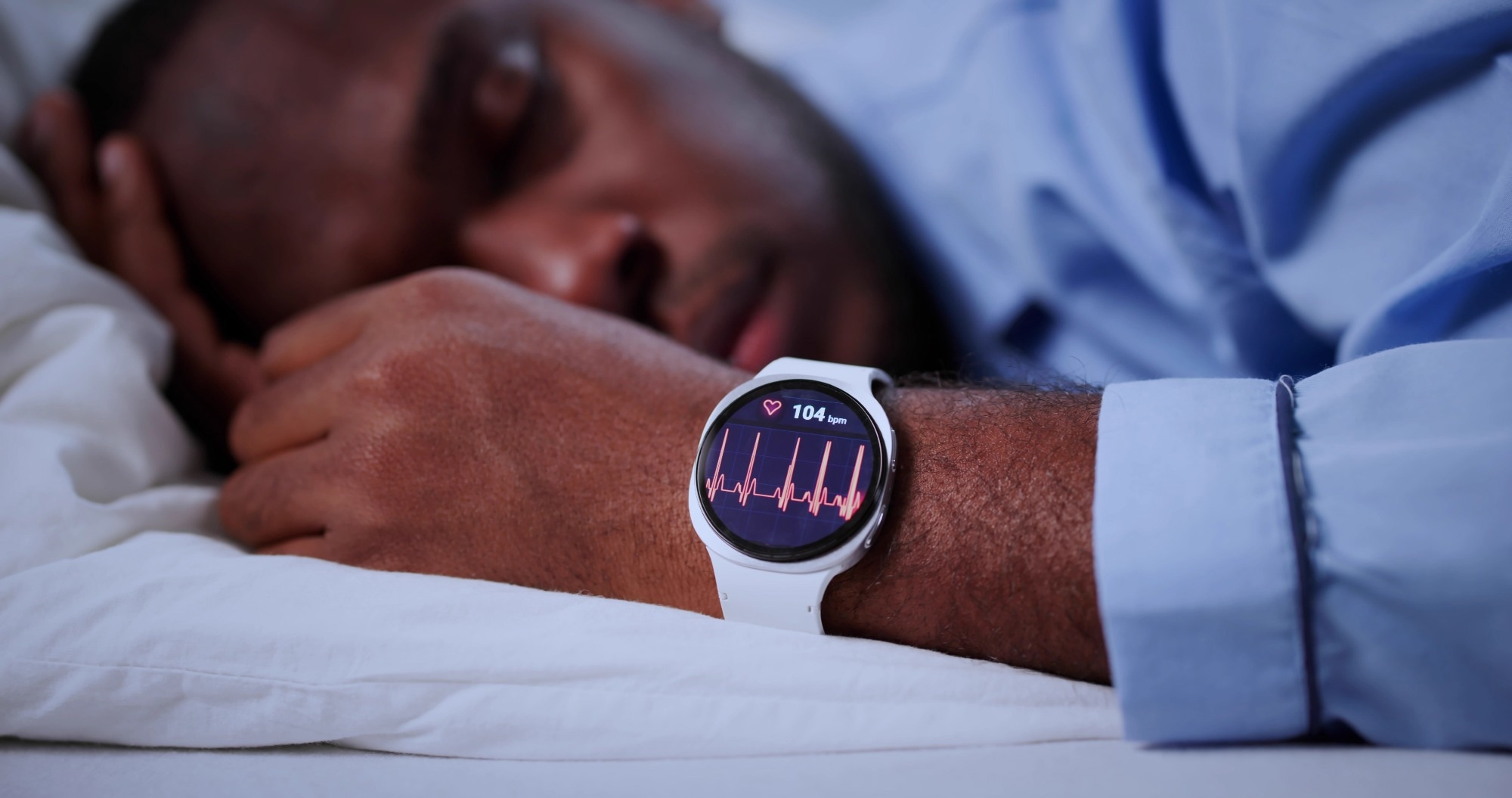 Study: Sleep in the age of technology: the use of sleep apps and perceived impact on sleep and sleep habits. Image credit: Andrey_Popov/Shutterstock.com
Sleep apps are computer applications that track an individual’s sleep. But opinions differ on their usefulness. A study published in Frontiers in Psychology found that despite mostly positive experiences, some subgroups report partially negative effects.
How sleep apps track and interpret nightly data
Sleep apps are becoming very popular among those concerned about their sleep or general health. There are smartphone-based and dedicated apps, both of which use wearable sensors embedded in smartwatches or fitness bands to measure physiological inputs such as pulse, temperature, and movement. These are analyzed using predefined algorithms that generate outputs such as sleep latency, duration, and efficiency. Some apps also report on sleep stages or sleep quality. These apps may sometimes suggest how to improve one’s sleep or offer potential diagnostic considerations.
Existing studies suggest that wearable sensor data can sometimes upset users and increase their sleep-related worries when it is asynchronous with their perceptions, or when sleep problems are highlighted. This could potentially worsen sleep quality or encourage “orthosomnia”, which is “excessive preoccupation with sleep”.
Demographic and sex-specific differences have been reported in the way users interpret sleep app outputs. Insomnia is more common with less education and in women. Older people and women have more fragmented sleep. Insomnia involves difficulty falling asleep or staying asleep, or waking several times in the early morning. This often leads to increased attention to sleep and increased worry about it. Also, such individuals are more likely to use sleep-promoting strategies, including sleep apps.
There are only a few studies on the experiences of sleep app users, motivating the authors of the current study to help fill this research gap. Distinguishing experiences based on user characteristics could help predict who would likely benefit from these apps. It could also help to customize such apps to reduce potential harm.
Norwegian survey examines sleep app use and perceptions
The study included 1,002 adults living in Norway who were surveyed about the use of sleep apps and their perceived effects. About 20 % completed the survey, which asked about sleep app use, the type used, and five questions each on the positive and negative effects experienced as a result of app use.
Nearly half of adults report sleep app use
The findings showed that 46 % of participants used sleep apps. They were more common among women and individuals under 50 years of age. This aligns with the reported preference for health and nutrition apps among women and fitness apps among men.
Smartwatch-based apps were the most common type in use. Usage rates showed no association with insomnia or educational status. This is an unexpected finding compared to earlier research and may reflect differences in motivations for app use, such as a general interest in health rather than clinical sleep problems.
Frequently reported positive effects included “Learned about own sleep” and “Perceived usefulness,” with 48 % and 43.5 % of users, respectively, agreeing with the statements. Again, 29 % said the app led them to prioritize sleep. Only 15 % said the app helped improve their sleep.
Relatively few users reported experiencing negative effects. The most commonly reported negative effects included “More worried about my sleep” (17.8 %) and “Something wrong with my sleep” (14 %). Most users disagreed with the negative statement, “Increased sleep-related stress.”
The average score for the positive effects of sleep apps was 14.6, compared with 10.8 for the negative effects. These showed no association with sex. However, both scores were highest among the youngest participants (18–35 years), suggesting that they are more strongly impacted by sleep app use.
Six of the ten measured effects of sleep app use were correlated with age. “Prioritize sleep” was agreed with by 12 % of older respondents, especially the two oldest age groups, compared with 43 % of those under 35. “Improved sleep” received agreement from 5 % of those aged 51-65, versus 18 % of those aged 18-50.
Previous research indicates that younger adults are more likely to use electronic media in bed, which may contribute to this effect. They were also more strongly affected by the negative statements about the app.
Only 2 % of those aged 66+ reported being “Stressed about my sleep,” compared with around 20–23 % of those aged 18–35, highlighting a substantial age-related difference. Similarly, younger participants were more likely to report concerns such as feeling something was wrong with their sleep or increased worry.
People with insomnia more often agreed with statements like “Something wrong with my sleep” but not with “Led to worse sleep quality”. This pattern, however, was not consistent across all analyses, and these associations were not observed in adjusted regression models, suggesting a general tendency to worry about sleep in this subgroup.
The average composite scores for negative effects were inversely correlated with education and positively correlated with insomnia. More educated people were more likely to agree with “Prioritize sleep”, although this was one of the few consistent associations observed for educational level.
Data-driven insights can both inform and mislead users
The findings suggest that older people are less likely to use sleep apps and less likely to be affected by them, in strong contrast to younger users. This might suggest that younger users are more involved with health app use, but more responsive to what they find.
Some analyses suggested that insomnia sufferers reported more app-related negative thoughts and worries. The authors propose that this may be because they have a heightened focus on poor sleep, coupled with persistent arousal, which promotes continued insomnia.
Notably, this pattern was inconsistent across analyses, particularly after adjustment for confounding variables, suggesting the need for further study. Based on the overall findings, however, the researchers warn that “sleep apps may need to be tailored more specifically to individuals with sleep disorders.”
The authors cite earlier research to emphasize that sleep apps inaccurately record sleep compared with the user's actual experience or the gold standard method, polysomnography. “Sleep apps should therefore not replace validated diagnostic sleep assessment”; rather, they may help screen for sleep disorders, though further research is required to support this suggestion.
Study limitations
The study has several limitations. The sample was not fully representative due to the use of a self-selected panel, which may introduce bias in participation. Data were collected solely through questionnaires without clinical interviews, raising the possibility of misclassification of sleep conditions that may resemble insomnia.
The relatively low response rate further increases the risk of selection bias. In addition, the survey questions were not formally validated and did not account for the duration of sleep app use. The cross-sectional design also prevents any conclusions about causality or direction of effects.
As all data were self-reported, the findings may be influenced by recall bias and common method bias. Finally, sleep app use was assessed as lifetime use, limiting insight into how duration or intensity of use may affect outcomes.
Sleep apps are widely used, but effects vary by user
The study suggests that Norwegian residents frequently use sleep apps, mostly among people under 50 and women. Younger people responded more strongly to feedback from sleep apps, regardless of whether the feedback was positive or negative. Conversely, less educated people responded more sensitively to negative effects, as did people with insomnia. The authors suggest that “it may be wise to caution patients with sleep problems about such use.”
Future research should focus on obtaining objective data from sleep apps and on longitudinal data that could enable causal assessment, along with the long-term impact of sleep app use on mental health and behavior.
Download your PDF copy by clicking here.
 Mindfulness and tai chi practices help cancer survivors manage symptoms