A new study shows that some of the deadliest cancers in the US receive far less NIH funding relative to their toll, raising urgent questions about how research dollars are allocated and whether current priorities match clinical need.
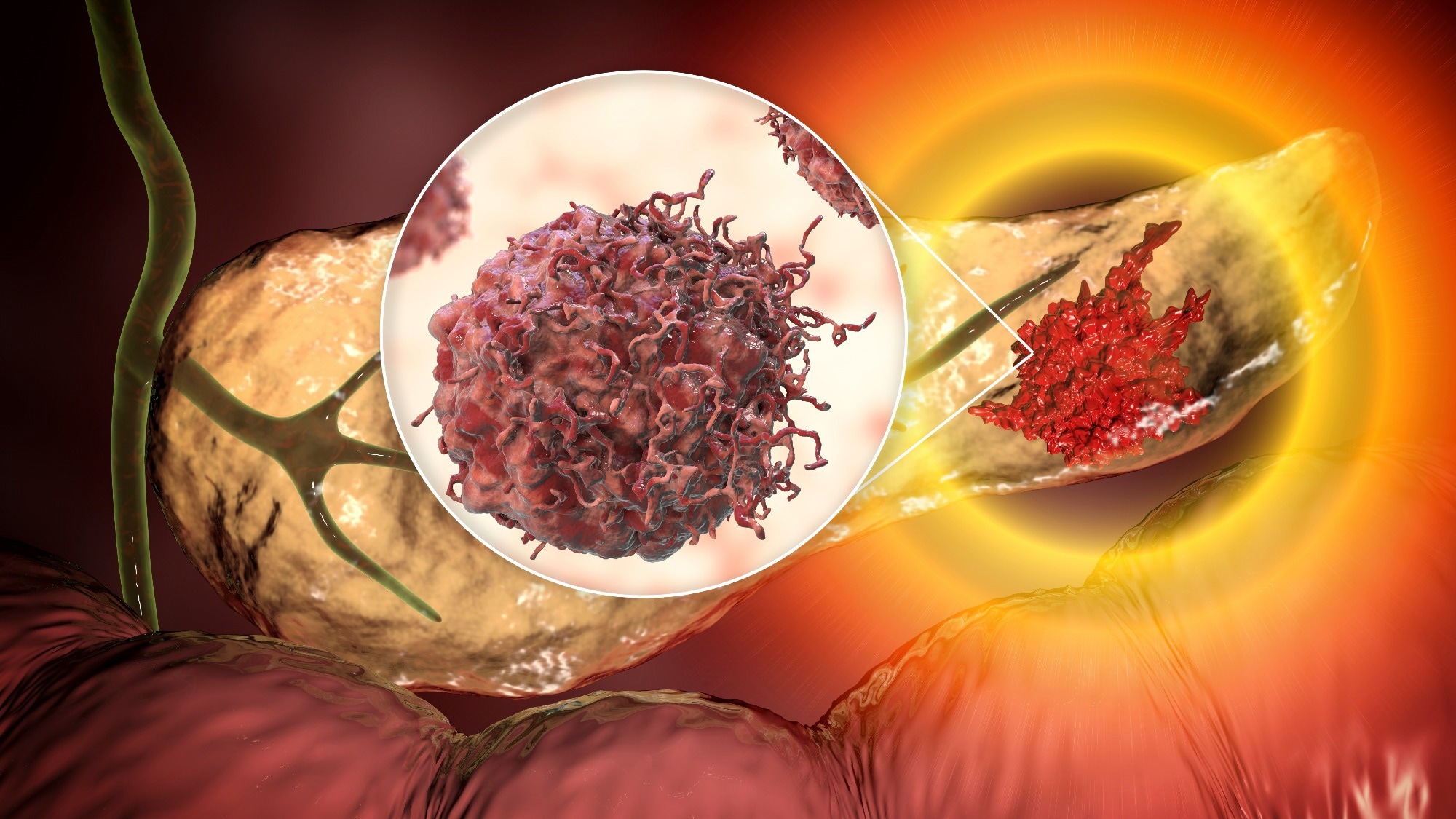
Research letter: Incidence, Mortality, and Federal Research Funding by Cancer Type in the US. Image Credit: Kateryna Kon / Shutterstock
In a recent study published in JAMA Network Open, researchers investigated National Institutes of Health (NIH) research funding for major cancers in the United States (US).
Funding Alignment With Cancer Outcomes
Federal research funding and outcomes across cancer types have evolved in the US. Incidence alone does not fully reflect public health impact, since it fails to account for disease lethality. Survival, mortality-to-incidence ratios (MIRs), and mortality provide complementary perspectives and better reflect unmet need and clinical urgency. Evaluating how funding aligns with contemporaneous measures of disease burden could help identify gaps.
Cancer Funding Study Design and Measures
In the present study, researchers Chirayu Mohindroo, MD, and Anish Thomas, MD, of the National Cancer Institute, National Institutes of Health, USA, assessed the current federal funding landscape for cancer research in relation to disease burden by cancer type in the US. National data on cancer incidence and five-year survival were analyzed with NIH research funding for select cancers. Funding data for 2025 were obtained from public NIH portfolio reports.
Incidence and survival data were extracted from the North American Association of Central Cancer Registries and the Surveillance, Epidemiology, and End Results Program. MIRs and funding per incident case and per estimated death were calculated. Overall, nine major types of cancer were analyzed: stomach cancer, liver cancer, pancreatic cancer, breast cancer, prostate cancer, ovarian cancer, colorectal cancer, small cell lung cancer (SCLC), and non-SCLC (NSCLC).
NIH Funding Differences Across Cancer Types
There was substantial heterogeneity in cancer incidence, estimated mortality, and funding by cancer type. Lung cancers were estimated to account for 151,401 deaths, while pancreatic, breast, prostate, colorectal, ovarian, liver, and stomach cancers were estimated to account for 49,211, 22,606, 5,219, 49,576, 9,702, 27,816, and 16,982 deaths, respectively.
MIRs were more than 0.85 for pancreatic cancer and SCLC, indicating that most diagnoses resulted in death, whereas MIRs were lower than 0.1 for prostate and breast cancers. Research funding amounted to $1.58 billion for breast cancer, $662 million for prostate cancer, $494 million for colorectal cancer, $440 million for pancreatic cancer, $419 million for ovarian cancer, $62 million for SCLC, $227 million for NSCLC, and $104 million for stomach cancer.
Funding per incident case ranged from $1,214 for NSCLC to $20,945 for ovarian cancer, with $2,562 for SCLC, $3,453 for colorectal cancer, $7,756 for pancreatic cancer, $5,793 for breast cancer, and $8,148 for liver cancer. Funding per death ranged from $1,754 for NSCLC to $126,992 for prostate cancer; it was $69,800 for breast cancer, $8,945 for pancreatic cancer, $43,275 for ovarian cancer, $9,979 for colorectal cancer, and $2,818 for SCLC.
Implications for Federal Cancer Research Priorities
The results show that the most lethal cancers received disproportionately lower federal funding. As such, prioritizing and directing limited resources towards such cancers could help decrease suffering, especially as outcomes for less lethal neoplasms continue to improve.
The funding patterns currently reflect historical progress in certain cancers, including sustained investment driven by advocacy, therapeutic breakthroughs, and established research infrastructure.
Cancers with limited philanthropic support or advocacy may largely depend on federal funding, amplifying the funding imbalances, and industry investment may reinforce these patterns as it often tracks incidence.
Overall, a composite federal funding framework that incorporates incidence, survival, and mortality, and considers non-federal investments, is necessary to better direct resources to areas with the highest need.
The authors also noted important limitations, including reliance on a single fiscal year of funding data, use of estimated rather than observed mortality counts, and limited detail on how funding was distributed across research categories. They also emphasized that burden-based measures alone cannot fully capture scientific opportunity, feasibility, or prevention potential.
 As GLP-1 drugs become more complex, their effects on the heart are getting harder to predict