A randomized MRI study reveals how acupuncture may help stroke survivors regain movement by remodeling key brain networks and strengthening regions involved in motor control and coordination.
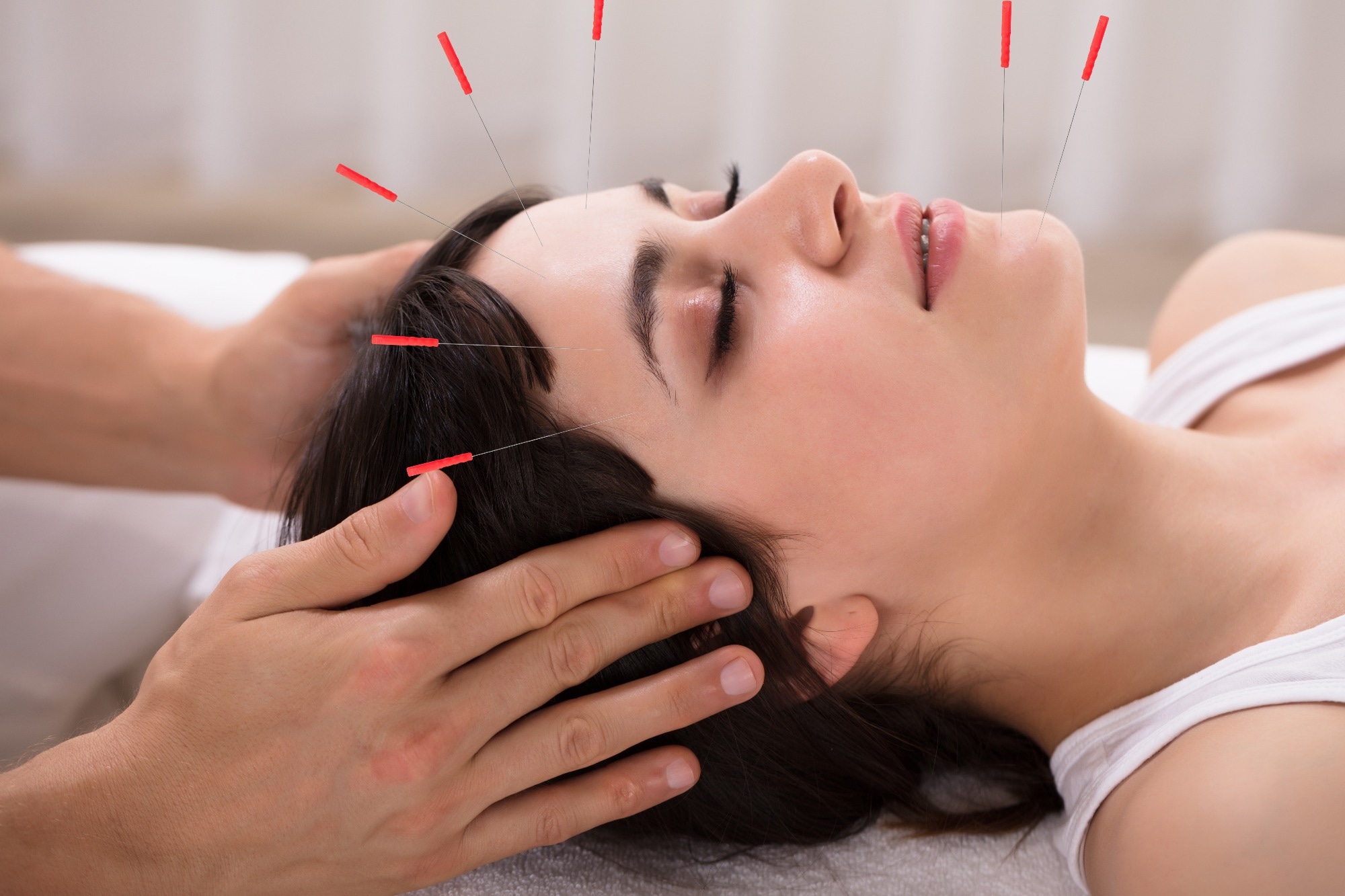 Study: Neuroplastic Mechanisms of Acupuncture in Post-Stroke Motor Recovery: A Randomized Multimodal MRI Trial. Image credit: Andrey_Popov/Shutterstock.com
A new study published in CNS Neuroscience and Therapeutics highlights the potential benefits of acupuncture in alleviating neurological impairment and improving motor recovery in patients with stroke.
Researchers investigate acupuncture's effects on neuroplasticity
Ischemic stroke is a leading cause of physical disability in adults, often resulting in unilateral motor impairment or hemiplegia, a condition of complete or severe muscle paralysis on one side of the body. Post-stroke hemiplegia significantly affects the overall quality of life of affected individuals and puts heavy economic pressure on the healthcare system and families.
Several clinical studies have revealed abnormal functional connectivity in brain regions involved in vital motor functions in stroke patients, including the sensorimotor, default mode, and cognitive control networks. Studies have also highlighted brain structural alterations in stroke patients, including cortical thinning.
The recovery of motor function in stroke patients is associated with complex structural and functional reorganization of the brain. Recent evidence highlights the potency of acupuncture in improving neurological functions. However, it remains largely unknown whether acupuncture helps restore the brain's structural and functional frameworks in stroke patients.
Given that acupuncture is considered to be a safe, effective, and low-cost complementary treatment for stroke, this randomized controlled trial aimed to explore neural mechanisms by which acupuncture adjusts motor dysfunction in patients with post-stroke hemiplegia.
Researchers track brain changes after treatment
A total of 56 stroke patients were enrolled in the trial. They were randomly allocated in a 2:1 ratio to receive either real acupuncture or sham acupuncture (control group) over a period of two weeks.
After completion of the intervention period, all patients were assessed for motor impairment and recovery, neurological deficits, and limb motor control. Post-intervention structural and functional changes in the brain were also assessed using Magnetic Resonance Imaging (MRI).
After exclusions related to treatment completion and MRI data quality, 46 patients were included in the final MRI analysis.
Acupuncture improves motor recovery beyond sham
Post-treatment assessments showed that motor function improved in both groups, but patients who received real acupuncture experienced greater gains in limb motor control and overall motor recovery than those in the sham acupuncture group. These clinical improvements were accompanied by measurable changes in brain function and structure.
MRI analyses revealed reduced disjointedness and a trend toward lower flexibility within the default mode network, changes that were associated with better motor outcomes.
Acupuncture was also linked to increased gray matter volume in regions involved in sensorimotor processing and cognitive-motor integration. Importantly, participants who showed larger reductions in default mode network disruption and greater increases in gray matter volume also tended to experience greater improvements in motor impairment and recovery.
Findings support further rehabilitation research using acupuncture
The findings suggest that acupuncture may support motor recovery after stroke by promoting changes in both brain function and structure. Patients who received real acupuncture showed better motor control and recovery, accompanied by signs of a more stable and less fragmented default mode network, a brain system involved in attention, self-awareness, and other cognitive processes that help guide movement.
The treatment was also associated with increased gray matter volume in regions linked to sensorimotor processing, cognition, and coordination, suggesting broader recovery-related adaptations across the brain. Together, these functional and structural changes may help support the planning and execution of movement following stroke.
The authors caution, however, that MRI-derived changes in gray matter volume are imaging markers of structural adaptation rather than direct evidence of cellular-level neuroplasticity. They also note that some clinical improvement was observed in the sham acupuncture group, potentially reflecting placebo-related effects and the standard pharmacotherapy received by both groups.
In addition, the trial did not demonstrate a statistically significant group-by-time interaction, and the lack of long-term follow-up means it remains unclear whether the observed brain changes translate into lasting functional benefits. Larger studies with extended follow-up will therefore be needed to confirm the findings and clarify the role of acupuncture as a complementary rehabilitation strategy.
Download your PDF copy by clicking here.
 A protective brain enzyme may counteract aging-associated cognitive decline