Flood-damaged homes showed lasting changes in indoor fungal communities, yet children living in them did not experience significantly worse asthma outcomes in this New York City cohort.
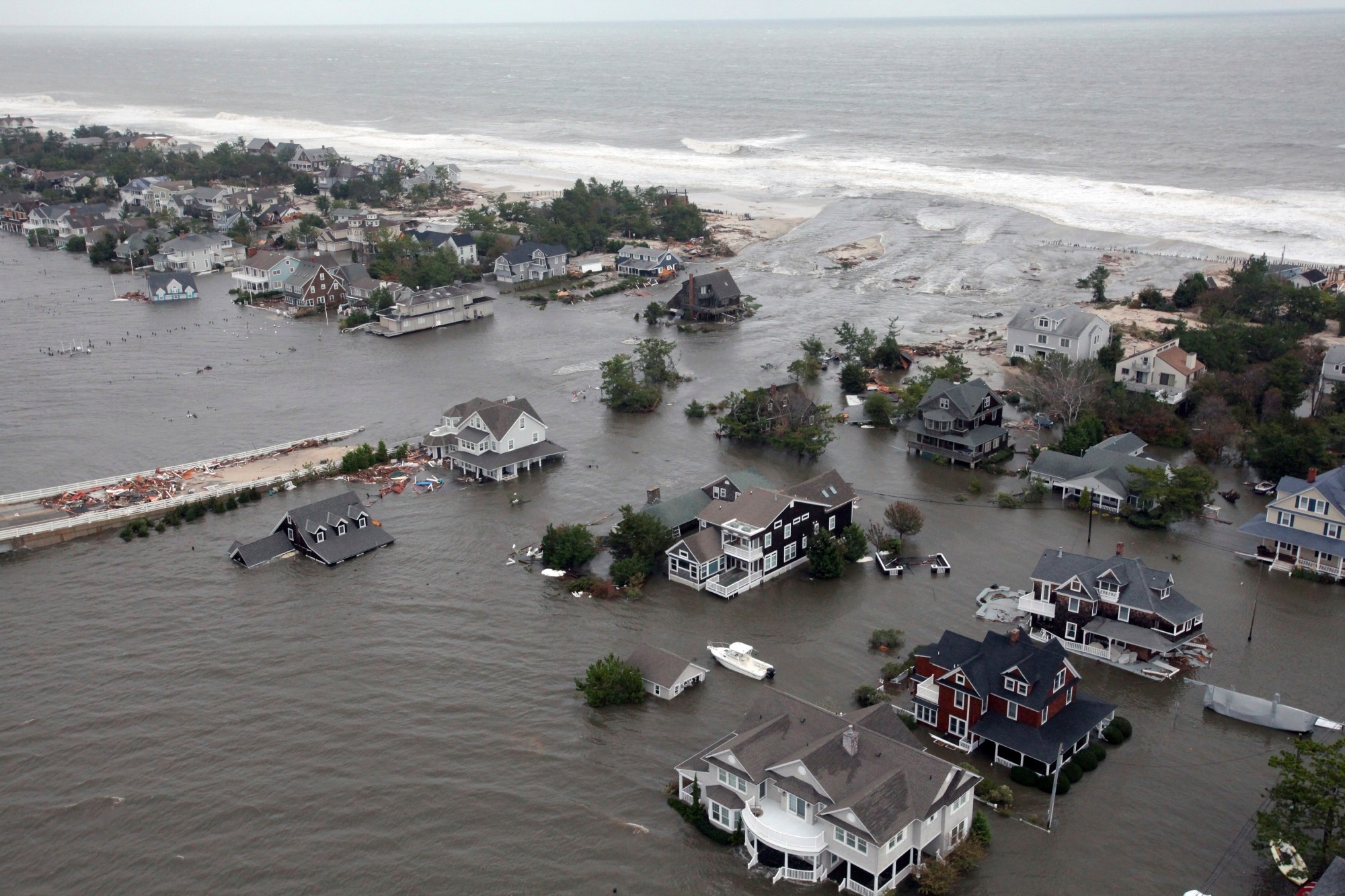
Study: Domestic fungal exposure and asthma morbidity in New York City children following Superstorm Sandy. Image Credit: Rawpixel.com / Shutterstock
In a recent study published in the Journal of Exposure Science & Environmental Epidemiology, researchers investigated the persistent impacts of Superstorm Sandy on domestic fungal profiles and pediatric asthma outcomes (including morbidity). The study focused on homes damaged by floods across New York City (NYC).
Study findings revealed that homes damaged by Superstorm Sandy exhibited persistently higher total and allergenic fungal concentrations than those that did not flood. Fungal diversity in the former cohorts was also significantly lower than in the latter.
Surprisingly, however, the study found that these ecological shifts were not associated with statistically significant differences in childhood asthma symptoms or other outcomes, such as airway inflammation and lung function.
Background
Research has consistently linked indoor dampness (and its concurrent fungal contamination) with respiratory illness (including asthma development and exacerbations). Recent evidence indicates that in urban centers such as New York City (NYC), structural mold affects an estimated 9.5% of residences.
Low-income households and socioeconomically disadvantaged communities with decaying building infrastructure are observed to be disproportionately impacted and are suspected of being hotspots of respiratory disease.
Superstorm Sandy (October 2012) caused unprecedented storm surges, which placed more than 300,000 NYC homes within flood inundation zones. This subsequently sparked public health anxieties surrounding indoor mold growth, culminating in the popularization of terms such as “Sandy cough”.
While post-disaster investigations in Louisiana following Hurricanes Katrina and Rita documented extensive fungal proliferation, scientific evidence linking hurricane-driven shifts in domestic mold to clinical pediatric asthma outcomes in urban populations remained limited.
About the study
The present study aimed to address these persistent data limitations and inform urban disaster recovery policies by characterizing post-storm indoor fungal profiles and evaluating their associations with pediatric asthma morbidity.
The study sample comprised 127 asthmatic children (ages 7–17 years), all of whom were residing in NYC. Of these, 59 children lived in Superstorm Sandy-damaged homes (evaluated 6 to 18 months post-storm), while the remaining 68 comprised comparably aged asthmatic controls from non-damaged homes. The control participants were selected from the NYC Neighborhood Asthma and Allergy Study.
Study data were collected during home visits and predominantly consisted of settled dust samples from bedroom floors. These samples were used for quantitative polymerase chain reaction (qPCR) targeting 36 species from the Environmental Relative Moldiness Index (ERMI).
Subsequently, samples were subjected to next-generation DNA sequencing (NGS) of the Internal Transcribed Spacer (ITS) region, thereby enabling quantification of home-specific fungal richness and computation of Shannon diversity.
Finally, measurements of total fungal spore equivalents were used to determine the ‘fungal load’ of inundated homes relative to their undamaged counterparts, although these measurements were available for only a subset of damaged homes and should therefore be interpreted cautiously.
Researchers also conducted physical health assessments, including serum immunoglobulin E (IgE) testing to evaluate fungal seroatopy, spirometry for lung function (FEV1/FVC ratios), and offline fractional exhaled nitric oxide (FeNO) to estimate airway inflammation. Furthermore, participants were required to complete standardized questionnaires tracking asthma symptom frequency over 12 months.
Repeat home visits (in 26 damaged residences) were finally conducted to evaluate the persistence of observed fungal exposures across three visits within approximately one year.
Study findings
Environmental analyses revealed that dust samples from Sandy-damaged homes exhibited significantly higher total fungal concentrations, elevated relative proportions of allergenic fungi, and markedly lower fungal diversity (Shannon index) compared to non-damaged controls (p < 0.05). However, overall ERMI scores did not significantly differ between the groups.
qPCR and NGS profiling identified significantly higher odds of detecting known allergenic species in damaged homes. These species included Eurotium amstelodami, Cladosporium herbarum, C. cladosporioides, and Aspergillus penicilloides.
Furthermore, repeated measurements showed that the persistence of fungal changes varied over time. The relative abundance of the allergenic genus Epicoccum remained elevated and had approximately doubled on average by the third visit in Sandy-damaged homes.
However, evaluations of clinical health endpoints revealed no statistically significant differences between children living in damaged and non-damaged homes with respect to metrics of frequent wheezing, nighttime awakenings, or urgent medical visits (p > 0.3), indicating that the higher fungal load was not associated with detectably greater asthma morbidity in this cohort.
Similarly, spirometry and FeNO testing showed no significant differences in lung function or airway inflammation between cohorts, although there was some evidence that FeNO was slightly lower in children from damaged homes. Analyses of individual fungal measures nevertheless identified some associations with respiratory outcomes. For example, Arthrocladium, which was elevated in damaged homes, was associated with higher FeNO and lower lung function.
Seroatopy rates were high across both groups, with 50.9% of children in damaged homes and 44.0% in non-damaged homes testing positive for fungal-specific IgE.
Conclusions
The present study found that Superstorm Sandy-associated water damage was associated with persistent but variable shifts in domestic fungal composition toward higher allergenic loads and reduced diversity. However, these alterations were not accompanied by statistically significant increases in asthma morbidity in this cohort.
The authors identified several possible explanations for these null health findings, including the cohort's relatively mild baseline asthma severity, statistical power constraints, the lack of pre-Sandy measurements, possible selection bias, a limited fungal sensitization panel, and seasonality.
Possible selection bias related to remediation practices is particularly noteworthy, as 66% of damaged households actively dried their homes and 71% used mold-preventative cleaning products. Households recruited into the study may therefore have been more proactive about remediation than the broader affected population, potentially reducing observed health differences.
The authors also cautioned that the results should not be generalized to children with more severe asthma or to populations experiencing prolonged, unremediated mold exposure. Future research should investigate total environmental exposures ("exposomes") across broader, socioeconomically vulnerable populations to protect pediatric respiratory health in a changing climate.
Journal reference:
- Flores, N. M., et al. (2026). Domestic fungal exposure and asthma morbidity in New York City children following Superstorm Sandy. Journal of Exposure Science & Environmental Epidemiology. DOI: 10.1038/s41370-026-00960-w, https://www.nature.com/articles/s41370-026-00960-w
 AI-powered DANDELION identifies overlooked genes linked to asthma