Researchers examined dietary polyphenols, cognitive performance, and inflammatory markers in older patients at a memory clinic to determine whether specific plant compounds may be linked to early cognitive impairment.
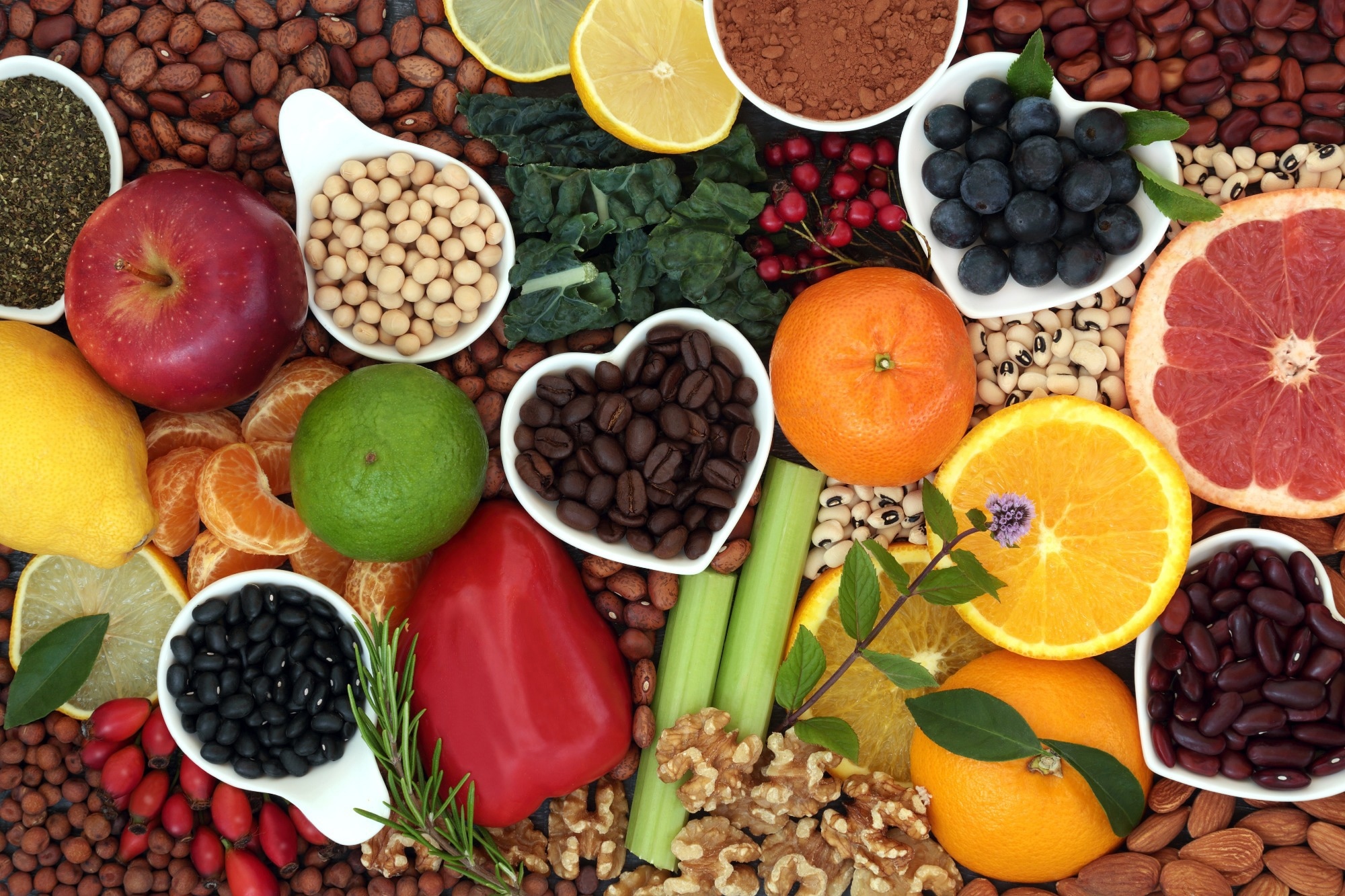
Study: Dietary (Poly)phenol Intake, Inflammatory Biomarkers, and Mild Cognitive Impairment in Italian Adults. Image Credit: marilyn barbone / Shutterstock
A recent study in the journal Antioxidants examined the relationship between habitual dietary (poly)phenol consumption, cognitive status, and circulating inflammatory biomarkers in older Italian adults.
Role of Diet in Cognitive Health
By 2050, more than 2.1 billion people, i.e., over 21% of the global population, will be aged 60 years and older, driven by increased longevity and lower fertility rates. Dementia currently affects 55 million people worldwide, with cases projected to rise to 78 million by 2030 and 139 million by 2050, resulting in a mounting burden of cognitive impairment.
Cognitive impairment in older adults has diverse causes, with Alzheimer’s disease and vascular cognitive impairment as primary contributors, either independently or together. Milder forms, such as mild cognitive impairment (MCI), affect approximately 15% of community-dwelling adults aged 50 years and older. The demographic shift and rising MCI prevalence signal a surge in dementia cases and care needs, especially in low- and middle-income countries.
Lifestyle factors, particularly diet, play a critical role in modulating the risk of cognitive decline. Diets rich in fruits and vegetables, such as the Mediterranean, Dietary Approaches to Stop Hypertension (DASH), and Mediterranean-DASH Intervention for Neurodegenerative Delay (MIND) diets, are associated with reduced dementia risk and slower cognitive decline. Observational findings are generally positive, but randomized controlled trials yield limited evidence, and the specific impact of diet within multidomain interventions remains unclear.
Plant-based diets may promote brain health through anti-inflammatory and neuroprotective phytochemicals like polyphenols. Higher polyphenol and flavonoid intake is linked to reduced risk of chronic diseases and cognitive decline. Preclinical research suggests polyphenols influence neuroinflammation, mitochondrial function, cerebral blood flow, neurogenesis, and synaptic plasticity.
A significant gap remains in understanding the relationship between polyphenol intake and MCI. Most studies focus on dementia or general cognitive decline, with limited data specifically addressing early-stage impairment. Further work is needed to determine how habitual polyphenol consumption relates to MCI and early cognitive decline.
Does Dietary (Poly)phenol Intake Influence MCI?
The current cross-sectional study enrolled autonomous patients aged 65 years or older from the Geriatrics Unit at the IRCCS Oasi Research Institute in Troina, Italy. Eligible participants presented with subjective memory impairment and received a diagnosis of subjective cognitive decline, isolated memory impairment, MCI, or mild vascular cognitive impairment. Individuals were excluded if they had dementia, other major neurological conditions, major psychiatric disorders, or a history of isolation. Of approximately 1,000 referrals, 92 participants met the eligibility criteria and provided informed consent.
Demographic, lifestyle, and clinical information were collected for all participants. The fully adjusted regression model examining MCI included energy intake, age, sex, educational level, and smoking status. Dietary intake was assessed using a validated 110-item food frequency questionnaire (FFQ) to capture long-term eating patterns.
Dietary (poly)phenol intake was estimated by linking the FFQ with the Phenol-Explorer database, focusing on 75 relevant food items. Concentration values were based primarily on reverse-phase high-performance liquid chromatography data, with retention factors used to account for cooking and food processing. Total daily intake was calculated by summing all classes.
Cognitive performance was evaluated using the Mini-Mental State Examination (MMSE) and the Montreal Cognitive Assessment (MoCA). Mood was assessed with both the Hamilton Depression Rating Scale (HDRS) for clinician-based evaluation and the Geriatric Depression Scale, Short Form (GDS-SF) for self-reported symptoms. Daytime sleepiness was measured using the 8-item Epworth Sleepiness Scale (ESS), where higher scores reflect greater sleepiness. Plasma TGF-β1 and TNF-α concentrations were measured using enzyme-linked immunosorbent assays.
Associations Between (Poly)phenol Intake, Cognitive Function, and Inflammatory Markers
A total of 92 older adults with memory complaints participated in the study and were grouped into quartiles of dietary (poly)phenol intake. Demographic and lifestyle factors, including sex, education, and smoking status, were comparable across quartiles, whereas age differed between groups, with participants in the highest intake quartile being younger on average.
Clinical measures, particularly MMSE, MoCA, GDS, HDRS, and ESS scores, did not differ significantly across total (poly) phenol intake quartiles. However, participants without MCI reported significantly higher estimated intakes of total dietary (poly)phenols than those with MCI. Reported intakes of flavonoids, anthocyanins, flavanones, flavones, hydroxycinnamic acids, and lignans were higher in the non-MCI group, whereas other (poly)phenol classes showed no significant differences.
At the individual compound level, participants without MCI reported higher estimated intakes of hesperetin, naringenin, quercetin, lariciresinol, secoisolariciresinol, matairesinol, and pinoresinol. Other compounds did not differ significantly between groups.
Intake of certain (poly)phenols, such as anthocyanins, flavonols, flavanones, and hesperetin, showed modest but significant correlations with MMSE scores, suggesting a potential link to cognitive performance. MoCA scores also correlated positively with the intake of several (poly)phenols, including flavanones, flavones, lignans, and specific individual compounds.
Some associations between (poly)phenols and mood or sleep scores were observed, but they were generally weak; total (poly)phenol intake was not significantly correlated with MMSE, MoCA, mood, or sleep scores.
In MCI patients, a higher TGF-β1/TNF-α ratio was correlated with lower MMSE and MoCA scores, suggesting this biomarker may reflect peripheral inflammation linked to poorer cognitive function. Because the study was cross-sectional, the direction of this relationship cannot be determined. No significant associations were found between total (poly)phenol intake and inflammatory biomarkers. Only certain (poly)phenols, such as flavanols, biochanin A, and caffeic acid, showed weak and limited correlations with specific inflammatory markers.
Individuals with the highest intake of total (poly)phenols, flavonoids, and lignans had a lower likelihood of having MCI than those with the lowest intake, even after adjusting for energy intake, age, sex, education, and smoking status. Among flavonoids, flavones showed the strongest inverse association with MCI. Higher intake of specific individual (poly)phenols, such as naringenin and several lignans (lariciresinol, matairesinol, and pinoresinol), was also associated with lower odds of MCI.
Higher Dietary (poly)phenol Intake Linked to Lower Likelihood of MCI in Older Memory-Clinic Patients
Higher dietary (poly)phenol intake was associated with a lower likelihood of MCI, while several specific subclasses and individual compounds were linked to better cognitive performance. Total (poly)phenol intake itself was not significantly correlated with MMSE or MoCA scores. While some modest associations between (poly)phenol intake and inflammatory biomarkers were observed, these relationships were generally weak; the findings did not establish an anti-inflammatory mechanism.
The authors cautioned that the small, cross-sectional study cannot determine whether higher intake precedes or influences cognitive status. Reverse causation, dietary recall error, residual confounding, single-time-point inflammatory biomarker measurements, wide confidence intervals, and the lack of correction for multiple comparisons could have influenced the results, so the associations should be treated as exploratory.
Future research should aim to clarify the pathways through which (poly)phenols may be associated with cognitive health, including potential roles in neuroprotection, vascular health, and gut-brain interactions. Longitudinal and interventional studies are needed to confirm these associations and to test whether changes in (poly)phenol intake affect cognitive outcomes. Understanding these mechanisms could inform dietary guidelines and the development of targeted nutritional interventions to support healthy cognitive aging.
Journal reference:
- Grasso, M. et al. (2026) Dietary (Poly)phenol Intake, Inflammatory Biomarkers, and Mild Cognitive Impairment in Italian Adults. Antioxidants. 15(9), 1181. DOI: 10.3390/antiox15091181, https://www.mdpi.com/2076-3921/15/9/1181
 Exercise usually helps the brain. During a 15-day fast, the story was different