Why do people with different body types respond differently to the same meal?
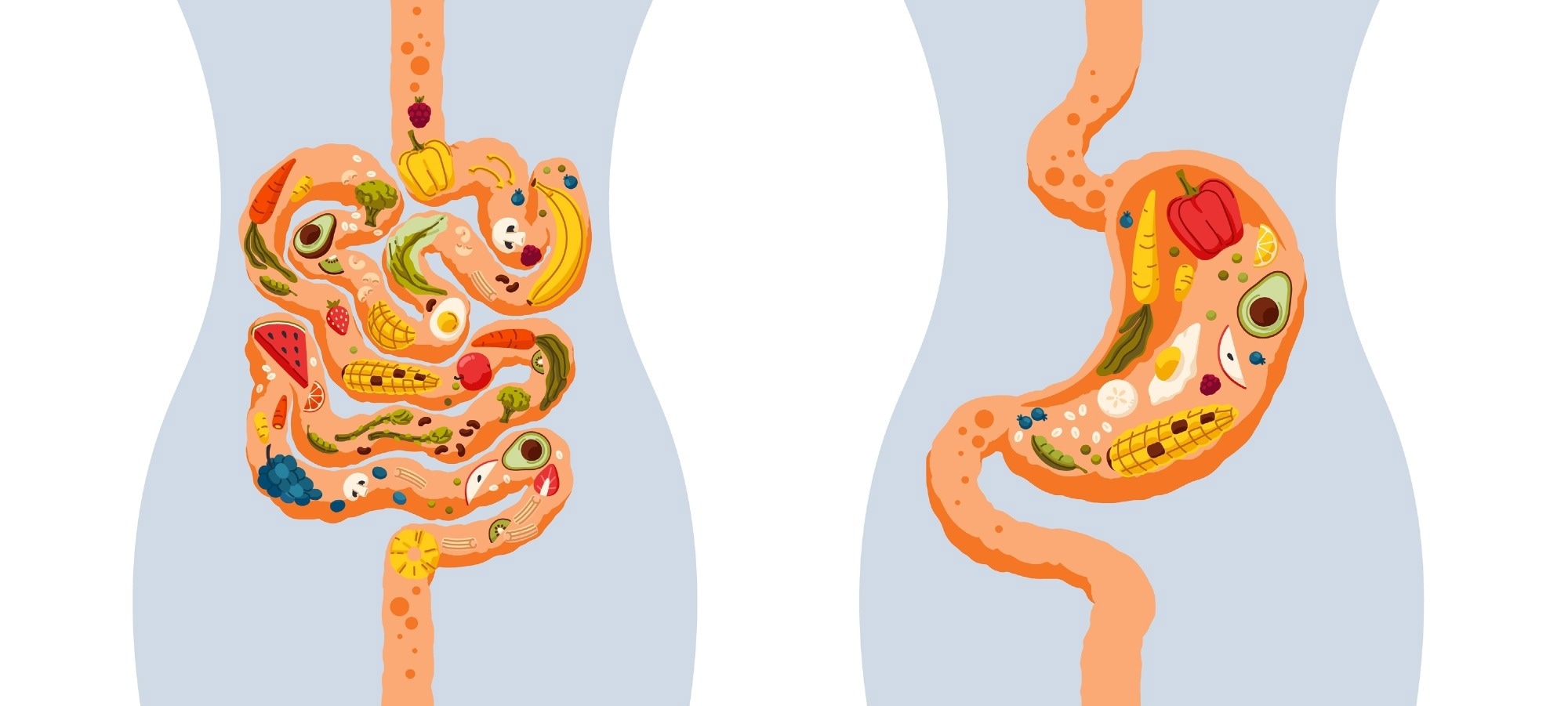 Study: Do Nutritional Status and Dietary Intake Influence the Ghrelin Response? Image Credit: Piper Trident / Shutterstock.com
In a recent study published in Nutrients, researchers assessed how dietary intake and body composition affect fasting and postprandial ghrelin levels.
Examining how diet and BMI influence ghrelin
Ghrelin, a gastrointestinal hormone, influences appetite and regulates energy balance. Produced primarily in the stomach, ghrelin sends hunger signals to the brain, contributing to pathways that promote food-seeking behavior and dietary intake. Therefore, fasting ghrelin concentrations may reflect longer-term nutritional status and energy balance, while disruptions in ghrelin signaling may impair appetite control and energy homeostasis.
In the present study, researchers investigated whether dietary intake and nutritional status were associated with changes in ghrelin concentrations. The study also evaluated the link between fasting ghrelin levels and participants’ energy and macronutrient intake across weight categories.
Researchers measured ghrelin concentrations one, two, three, and four hours after participants consumed a standardized liquid meal containing approximately 459 calories. The team also examined body composition measures associated with fasting ghrelin concentrations.
The study included 76 individuals aged 40 to 60 years with a body mass index (BMI) of 18.5 kg/m² or more. All were free of endocrine diseases, glucose metabolism disorders, liver or kidney failure, or severe gastrointestinal diseases. None had a history of bariatric or gastrointestinal surgery, nor did they use supplements or medications that could influence hormonal or metabolic regulation. The study also excluded pregnant and lactating women.
The team assessed body composition using dual-energy X-ray absorptiometry (DXA) scans, while resting metabolic rate (RMR) was estimated using the Mifflin–St Jeor equation. The participants provided blood samples to measure fasting total ghrelin levels by radioimmunoassay (RIA). Three-day dietary records completed the week before testing allowed researchers to estimate macronutrient and energy intake.
Based on BMI values derived from height and weight, the participants were classified into the normal weight (BMI 18.5 to 24.9 kg/m²), overweight (BMI 25 to 29.9 kg/m²), class I obesity (BMI 30 to 34.9 kg/m²), and class II or III obesity (BMI of at least 35 kg/m²) groups. Each group comprised 19 individuals.
Using linear regression models, the team evaluated associations between habitual nutrient and energy intake and fasting total ghrelin levels among participants with varying nutritional status. Linear mixed-effects models were used to analyze changes in ghrelin concentrations after the test meal across weight categories.
How ghrelin levels changed after eating
Median fasting ghrelin levels were 667.8 pg/mL in men and 845.9 pg/mL in women, with the highest fasting levels among overweight participants. In each group, fasting ghrelin values were higher for women, but the differences were not statistically significant. Fasting concentrations were not significantly associated with energy, protein, fat, or carbohydrate intake assessed through the dietary records.
Among overweight participants, habitual carbohydrate intake was inversely associated with fasting total ghrelin levels; however, this association was not significant in other groups. The overall analysis suggested that BMI modified this relationship, though individual differences between weight categories were not confirmed after correction for multiple comparisons.
Early changes in ghrelin levels varied across BMI groups in women. The overall statistical model did not confirm a significant interaction between BMI and time. In men, no significant BMI-related differences in post-meal responses were established.
Across groups, ghrelin levels decreased one hour after standardized meal consumption, remained below fasting levels, and gradually returned toward baseline after three to four hours. Overweight women and those with class I obesity showed the largest early declines in ghrelin concentrations, although these differences between weight categories were exploratory.
How BMI and body fat distribution relate to ghrelin
In men, lower gynoid fat percentages around the hips and thighs were significantly associated with higher fasting ghrelin levels. Among women, BMI and fat distribution individually associated with fasting ghrelin, but the overall regression model was not statistically significant.
Differences in ghrelin concentrations across BMI categories may partly reflect adaptation to long-term energy surplus. In women, estradiol may also influence the response to ghrelin. Importantly, the current study did not investigate sex-related differences in post-meal responses.
Body composition may explain ghrelin variation better than recent diet
Fasting ghrelin levels may reflect longer-term metabolic characteristics and fat distribution more closely than recently assessed macronutrient or energy intake. Early changes after eating also suggested possible BMI-related variation among women.
The small sample size, three-day dietary records, and use of a single liquid test meal limit the interpretation of the results. Some sex-specific weight categories contained fewer than 10 participants, further reducing the statistical power of these comparisons. The researchers also measured total ghrelin without distinguishing between its acylated and desacylated forms, without accounting for menstrual cycle phase or menopausal status.
Health professionals may need to interpret ghrelin within the context of fat distribution, body composition, and sex-specific metabolic regulation, rather than as an acute biomarker of dietary intake. Larger studies across age groups and meal compositions, along with separate measurements of the two ghrelin forms, could clarify how nutritional status affects hunger hormone responses.
Journal reference:
- Radziszewska, M., Smarkusz-Zarzecka, J., Cwalina, U., et al. (2026). Do Nutritional Status and Dietary Intake Influence the Ghrelin Response? Nutrients 18(19) 3271. DOI: 10.3390/nu18193271. https://www.mdpi.com/2072-6643/18/19/3271
 Overall dietary patterns matter more for heart health than nutrients