From essential nutrients and heart health to methane emissions and land use, researchers examine the competing demands shaping beef's place in the future of food.
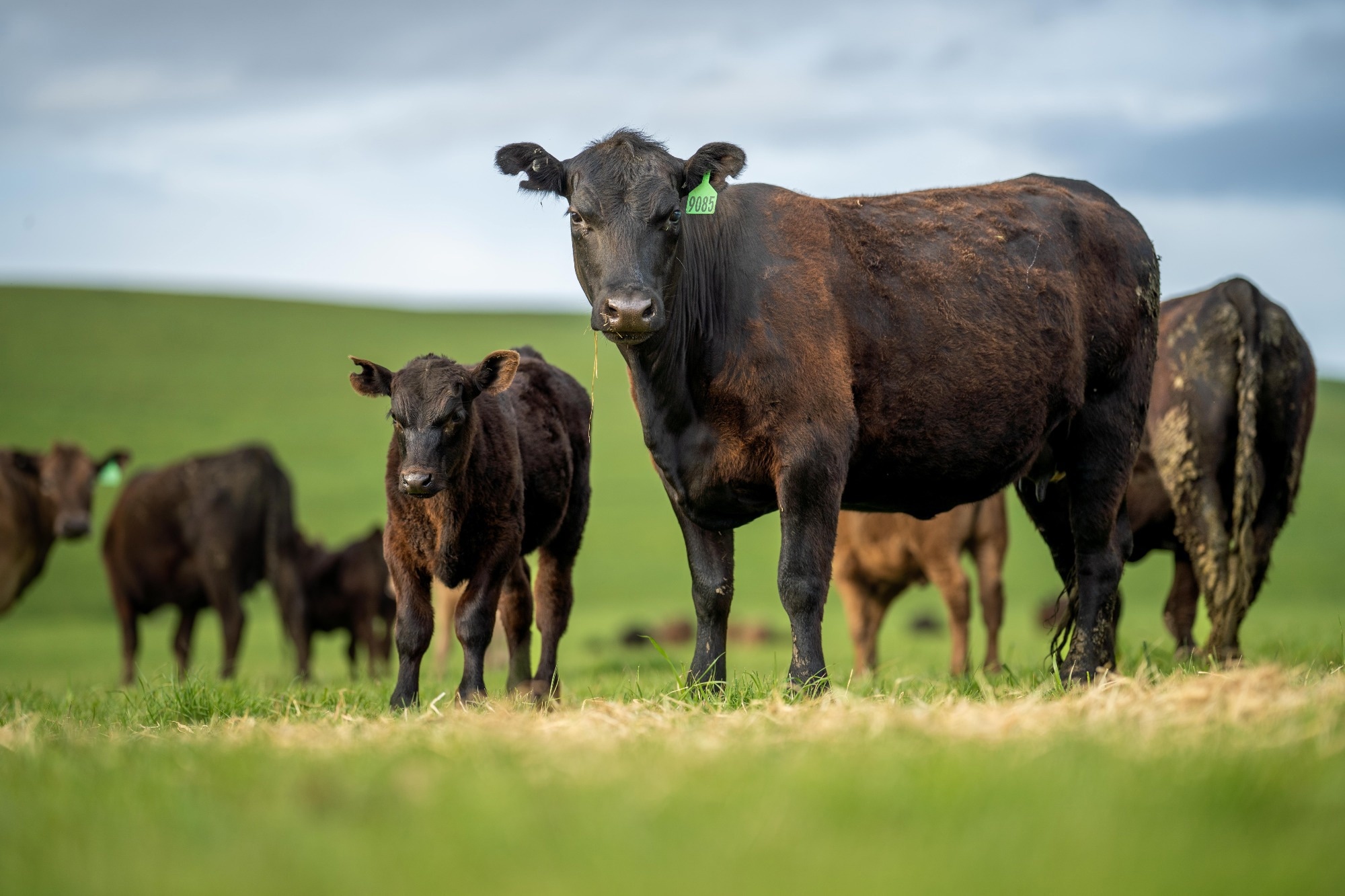
Review: Beef in nutritious and sustainable diets. Image Credit: William Edge / Shutterstock
In a recent narrative review published in the journal Animal Frontiers, researchers synthesized recent nutritional, ecological, and socioeconomic literature to evaluate the role of beef within nutritious and sustainable food systems.
The authors drew on findings from randomized controlled trials (RCTs), observational research, and international agricultural policy guidance to examine how cattle production intersects with global nutrition, environmental pressures, and rural livelihoods.
The synthesis suggested that, when consumed within balanced dietary patterns, beef serves as a nutrient-dense, whole-food source of bioavailable micronutrients and high-quality protein without consistently worsening measured cardiometabolic risk markers in controlled trials.
The authors also argued that sustainable food policy must account for nutrient density, agricultural land use, and rural livelihoods alongside environmental impacts, without relying solely on mass- or calorie-based comparisons.
Background
Agricultural and nutritional research shows that providing adequate nutrition for a growing global population while limiting environmental damage remains a major challenge.
Discussions about red meat have often focused on its contributions to agricultural greenhouse gas (GHG) emissions and pastureland requirements, with less attention to its nutritional value.
Conventional comparisons between plant and animal food sources, or even between different kinds of animal-based foods, often use mass- or calorie-based metrics (e.g., emissions per kilogram of product), which do not fully account for differences in micronutrient density or bioavailability.
Observational epidemiological studies have frequently linked red meat consumption to cardiovascular disease (CVD) and type 2 diabetes (T2D), but the review notes that exposure misclassification and residual confounding (including physical inactivity, higher body weight, and lower dietary fiber intake) can affect these associations.
Previous research has examined beef's effects within controlled diets, alongside cattle’s capacity to convert inedible forages into human nutrition on marginal lands, but these nutritional and agricultural findings have often been considered separately.
About the review
The present review aimed to address these knowledge gaps and inform future international agrifood policy by synthesizing nutritional, clinical, and environmental evidence on beef consumption, dietary guidance, food security, and sustainability.
The authors compared recommendations from the World Health Organization (WHO), the World Cancer Research Fund (WCRF), and the EAT-Lancet Commission, alongside red meat intake thresholds in the Global Diet Quality Score (GDQS). They also discussed the Dietary Guidelines for Americans (DGA 2025–2030) and the United Nations (UN) Sustainable Development Goals (SDGs). Suggested limits varied considerably, ranging from approximately 350–500 g per week in WHO and WCRF guidance to 100–105 g per week in the EAT-Lancet reference diet.
The paper covered four main topics: (1) Micronutrient density and bioavailability for vulnerable populations, (2) Cardiometabolic risk markers from controlled dietary trials, (3) The nutritional characteristics of the whole-food matrix and ultra-processed foods (UPF), and (4) Strategies to reduce emissions intensity across global livestock supply chains.
Review findings
The authors reported that livestock products supply approximately one-third of global dietary protein and an even greater proportion of indispensable amino acids.
The authors highlighted that beef supplies high concentrations of nutrients often lacking in diets, including heme iron, zinc, and vitamin B12, which can be particularly valuable for vulnerable groups, including children during the first 1,000 days of life, pregnant or lactating women, and older adults. The potential benefits depend on existing diets and access to other nutrient-rich foods.
For cardiometabolic health, the authors cited controlled trials examining risk markers rather than long-term disease incidence. A recent systematic review and meta-analysis (SRMA) of 20 RCTs reported that diets containing higher amounts of beef (averaging roughly 161 grams daily) did not adversely alter key blood lipid markers associated with CVD risk relative to diets containing little or no beef. The 161 g figure reflects intake in the reviewed trials, rather than a recommended daily amount.
An additional SRMA of 21 RCTs in individuals with or at risk for T2D reported no significant effects on fasting insulin, insulin sensitivity, or insulin resistance assessed using the Homeostasis Model Assessment of Insulin Resistance (HOMA-IR), though results varied across studies.
Regarding food processing, the paper distinguished mechanical processing, such as mincing, which changes meat's physical structure without materially altering its nutrient composition, from more extensively formulated products. The authors also raised concerns about the nutritional adequacy of some highly processed meat alternatives, including their sodium and additive content.
Finally, within agricultural systems, the review noted that cattle convert inedible forage on non-arable lands into nutrient-dense protein, while the wider livestock sector supports an estimated 1.5 billion livelihoods globally. Women account for approximately two-thirds of low-income livestock keepers.
The authors also acknowledged environmental pressures from livestock production, including methane emissions, land conversion, water use, and agricultural runoff. Lower emissions per kilogram of beef would not necessarily mean lower total emissions if production increased.
Conclusions
The authors concluded that moderate beef consumption within balanced dietary patterns can contribute to nutritional adequacy, while longer-term studies are needed to clarify chronic disease outcomes.
They proposed that global policies should account for nutritional needs and environmental pressures while closing agricultural productivity gaps in low- and middle-income countries (LMICs), improving grazing stewardship, and curbing food waste to support sustainable agrifood systems.
Three authors disclosed employment with beef-industry organizations, while the fourth reported no conflicts of interest. The manuscript was invited for submission by the US Roundtable for Sustainable Beef.
Source:
Journal reference:
 Does adding yeast to whey protein help muscle recovery after exercise?