An amino acid naturally found in the brain and everyday foods is attracting scientific interest for its potential to protect neurons, preserve memory, and counteract the biological processes behind neurodegenerative diseases.
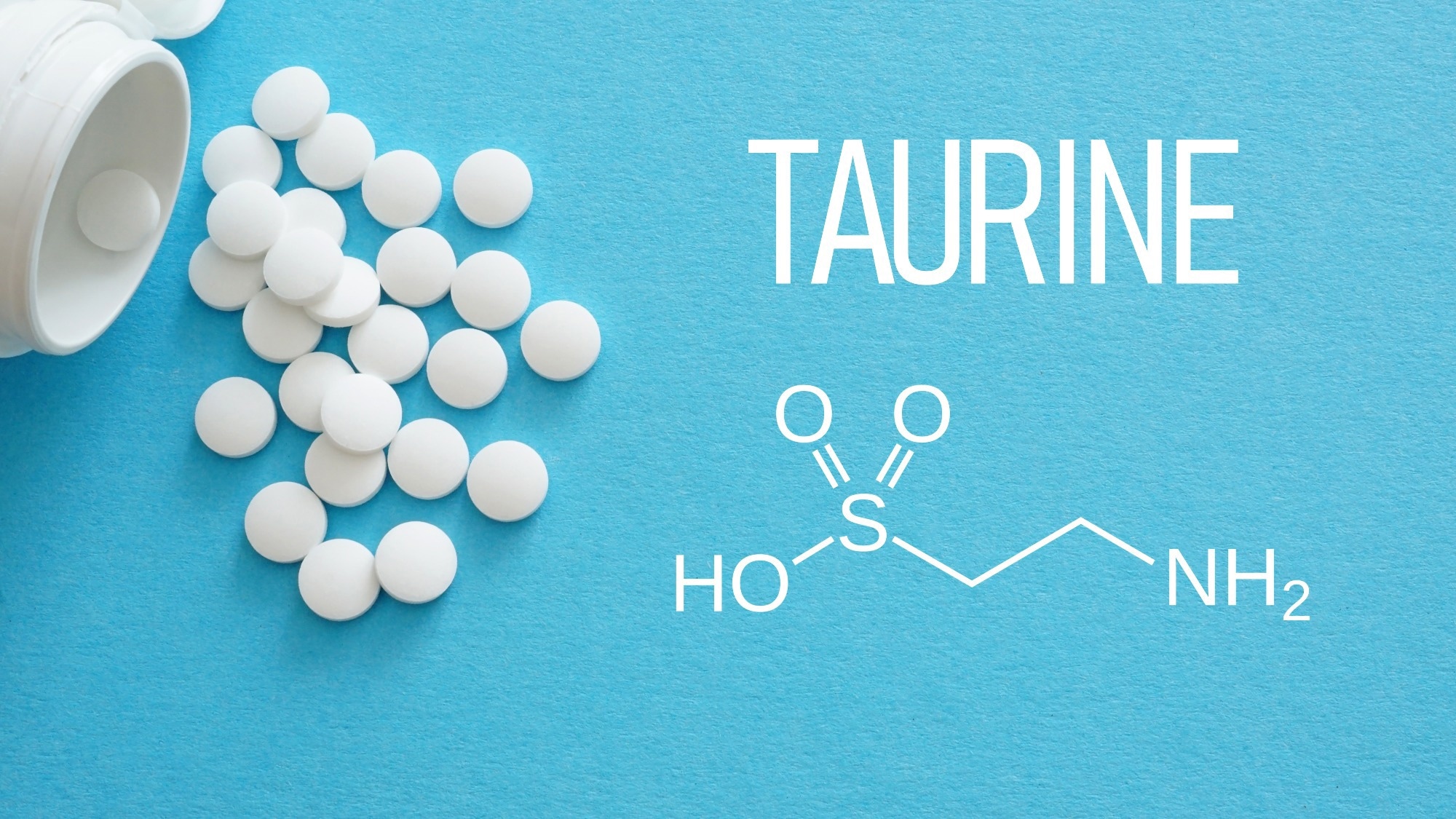
Study: Taurine metabolism: a potential target for neuroprotection in age-related neurodegenerative diseases. Image Credit: Jack_the_sparow / Shutterstock
In a review published in the journal Mammalian Genome, researchers examined whether targeting taurine metabolism could help protect the nervous system against age-related neurodegenerative diseases.
Scientists from Karolinska Institutet and St. Erik Eye Hospital in Sweden conducted the research in collaboration with the University of Pisa in Italy, King's College London in the United Kingdom, and the Center for Eye Research Australia.
Taurine is an endogenous amino sulfonic acid found in all mammalian tissues, primarily in the intracellular fluid. It is particularly enriched in the brain and nervous system. Taurine regulates several cellular processes and helps protect against inflammation and oxidative stress. Taurine supplementation has been reported to improve cognitive performance across experimental models of cognitive impairment.
Animal studies have also demonstrated neuroprotective effects in models of neurological disorders, including epilepsy, stroke, neurodegenerative diseases, and diabetic neuropathy, with evidence of protection against nervous system toxicities and injuries.
Characteristics and metabolism of taurine
As a non-proteinogenic amino acid, taurine is among the most abundant free amino acids in mammals. The ability to synthesize taurine varies between species and depends on age and sex, with higher biosynthetic activity during development. Lower taurine levels have been found in some pathological conditions (e.g., inflammation, trauma, sepsis) and aging tissues.
Most mammalian cells synthesize taurine de novo from sulfur-containing amino acids, such as cysteine. Humans have a relatively limited capacity for taurine synthesis and also obtain it from meat, fish, poultry, and dairy products.
Taurine derived from foods is absorbed in the gastrointestinal tract, with the liver playing a central role in its distribution. Both endogenous and dietary taurine enter systemic circulation via taurine transporters. The high-affinity taurine transporter SLC6A6 regulates tissue uptake and facilitates transport across the blood-brain barrier. The brain has a limited capacity to synthesize taurine and relies largely on uptake mechanisms to maintain intracellular concentrations.
The kidneys regulate circulating taurine levels, increasing urinary excretion when plasma concentrations rise after dietary intake. Mammals have a limited ability to break down taurine; taurine is mainly excreted unchanged in urine or conjugated with bile acids in the liver. It can also undergo N-acetylation.
Neuroprotective effects of taurine
Taurine protects cells in the central nervous system through several biological mechanisms. It serves as an osmolyte, protecting neurons from osmotic stress. It also stabilizes intracellular calcium levels, helping to prevent mitochondrial stress, apoptosis, and excitotoxicity.
Taurine supports mitochondrial protein synthesis by modifying mitochondrial transfer RNA and promotes the maturation of cells involved in myelin formation.
At synapses, taurine acts as a neuromodulator, inhibiting neuronal firing. Given its structural similarity to inhibitory neurotransmitters, taurine can activate glycine receptors at moderate concentrations and γ-aminobutyric acid (GABA) type A receptors (GABA-A) at higher concentrations.
These interactions can strengthen postsynaptic inhibition and counteract glutamate-mediated excitotoxicity. Taurine also regulates neural circuit activity and improves learning and memory retention in aged mice.
Chronic taurine treatment in experimental models raises hippocampal GABA and glutamate levels while decreasing GABA-A receptor β-subunit expression, which may help preserve cognitive performance and synaptic balance.
10 foods rich in taurine
Approximate taurine content (mg per 100 g)
| Scallops |
828 mg |
|
|
| Mussels |
655 mg |
|
|
| Clams |
521 mg |
|
|
| Oysters |
397 mg |
|
|
| Octopus |
388 mg |
|
|
| Squid |
357 mg |
|
|
| Turkey (dark meat) |
306 mg |
|
|
| Chicken (dark meat) |
170 mg |
|
|
| Prawns |
155 mg |
|
|
| White fish |
151 mg |
|
|
0 250 500 750 1,000
Taurine (mg per 100 g)
Source: Wójcik et al. (2010). The potential protective effects of taurine on coronary heart disease. Values represent selected published mean concentrations in raw or fresh foods, rounded to the nearest milligram. Where multiple estimates were available, the higher value was selected. Actual concentrations vary by species and preparation method.
Taurine in neurodegenerative diseases and aging
A small postmortem study found reduced levels of taurine in the temporal cortex of patients with Alzheimer's disease (AD) compared with healthy controls, suggesting a possible link between taurine depletion and AD pathology. Taurine supplementation in transgenic AD mice reduced amyloid-β (Aβ)-induced damage and improved cognitive performance.
Mechanistic studies indicate that taurine interacts with Aβ peptides and destabilizes fibril formation, resulting in less compact aggregates. Experiments using patient-derived cerebral organoids also showed reduced Aβ deposition and pathological tau protein accumulation following taurine treatment.
Patients with Parkinson's disease (PD) were reported to have lower plasma taurine concentrations than healthy controls, with lower levels associated with greater motor symptom severity and levodopa treatment.
In a mouse PD model, taurine alleviated learning and memory deficits and decreased neuronal loss. In a similar model, taurine improved motor function and reduced neuroinflammation by modulating the phosphatidylinositol 3-kinase/protein kinase B (PI3K/AKT) pathway.
Studies have reported that plasma taurine levels correlate with axonal excitability in patients with amyotrophic lateral sclerosis (ALS). In vitro experiments showed that taurine protected motor neuron cells against D-serine- and glutamate-induced excitotoxicity, two processes implicated in ALS.
An early clinical trial of tauroursodeoxycholic acid (TUDCA), a taurine-conjugated bile acid, reported functional benefits in ALS when used alongside riluzole. A larger phase III trial of sodium phenylbutyrate combined with taurursodiol failed to confirm earlier findings for the combination.
Experimental studies suggest that taurine may support myelin repair in multiple sclerosis and reduce oxidative stress and neuronal damage in models of Huntington's disease.
Taurine is required for the proper development of photoreceptors; taurine deficiency results in the loss of photoreceptors and degeneration of the retina. Clinical observations in patients with rare inherited SLC6A6 transporter dysfunction suggest that taurine supplementation before irreversible photoreceptor loss could halt retinal degeneration.
Earlier studies reported age-related declines in circulating taurine concentrations, but newer longitudinal studies in humans, monkeys, and mice found that these levels often remained stable or increased with age. Circulating taurine may not reliably reflect tissue concentrations or biological aging.
In mice, chronic taurine administration reduced age-related impairments in learning and memory. A meta-analysis of randomized controlled trials involving 402 participants found no significant cognitive benefit from taurine supplementation alone. Combination treatments were associated with improved cognitive performance, but the independent contribution of taurine remains unclear.
Concluding remarks
Available evidence indicates that taurine metabolism is central to cellular homeostasis. Disruption of taurine metabolism has been reported in neurodegenerative, inflammatory, and metabolic diseases, suggesting that changes in the taurine pathway may reflect a broader vulnerability to disease.
Clinical evidence remains limited and inconsistent, and the doses used in animal experiments cannot be directly extrapolated to humans. The authors call for biomarker-guided clinical trials to identify patients most likely to benefit, determine when treatment should begin, and clarify whether taurine acts as a metabolic regulator, therapeutic adjunct, or biomarker.
 Environmental experiences trigger widespread changes in brain cell connections