A global analysis of millions of health records compared GLP-1 therapies with four widely used diabetes drug classes to investigate whether treatment choice could influence susceptibility to tuberculosis.
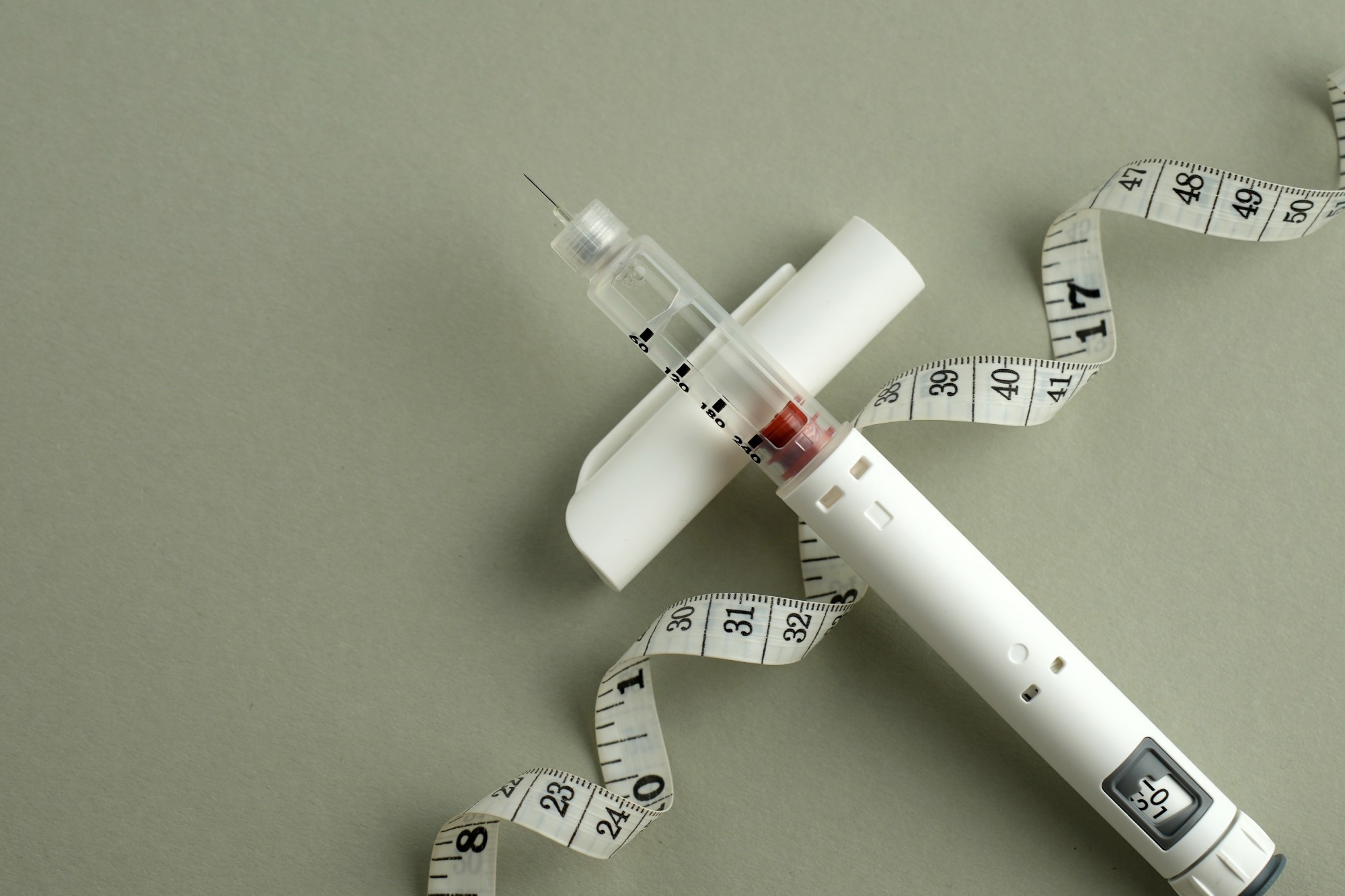
Study: Glucagon-like Peptide-1 Receptor Agonists and Risk of Tuberculosis in Type 2 Diabetes. Image Credit: Gecko Studio / Shutterstock
A recent study in the journal Nature Communications examined whether glucagon-like peptide-1">GLP-1 receptor agonists are associated with a lower risk of tuberculosis in patients with type 2 diabetes compared to other common glucose-lowering medications.
Intersection of Tuberculosis and Type 2 Diabetes
Tuberculosis (TB) continues to pose a major global health challenge, with an estimated 10.8 million people developing the disease in 2023. The persistent burden of TB is compounded by the emergence of risk factors such as type 2 diabetes (T2D), which increases the likelihood of developing active TB. Individuals with T2D are more susceptible to active TB, in part because chronic hyperglycemia impairs innate and adaptive immune responses, making effective prevention and management particularly challenging in this population.
As the prevalence of both TB and T2D continues to rise, particularly in low- and middle-income countries, there is a growing need to understand how different diabetes treatments may influence TB risk. This intersection of two global epidemics highlights the urgency of identifying therapies that not only control blood glucose but also do not inadvertently increase susceptibility to TB or complicate its management.
Glucagon-like peptide-1 receptor agonists (GLP-1RAs) are an emerging class of glucose-lowering medications that offer benefits beyond glycemic control, such as cardiovascular and renal protection, weight loss, and potential immunomodulatory effects. Despite these promising properties, the impact of GLP-1RAs on TB susceptibility remains poorly understood.
In contrast, other classes of diabetes medications, such as metformin, sulfonylureas, and SGLT2 inhibitors, have been more thoroughly investigated with respect to TB risk, but results have been inconsistent. Given the rapidly increasing use of GLP-1RAs in clinical practice and the persistent global burden of TB, it is critical to clarify whether these agents alter TB risk, which could have important implications for both individual patient care and broader public health strategies.
Assessing the Impact of GLP-1RAs on Tuberculosis Risk
The association between GLP-1RA use and TB risk was assessed in a large retrospective cohort study utilizing TriNetX, a global health research network containing electronic health records from approximately 153 million individuals across 143 healthcare organizations. Incidence of TB was compared between individuals with T2D initiating GLP-1RAs and those starting other commonly prescribed glucose-lowering medications.
Eligibility criteria required participants to be new users of their assigned antidiabetic agents, excluding those with prior exposure to these medications. Treatment groups were determined by the first antidiabetic drug class initiated during the study period (intention-to-treat), and follow-up began one day after the initial prescription.
Propensity score matching was performed to enhance comparability, incorporating demographic, clinical, comorbidity, diabetes complication, socioeconomic, lifestyle, and baseline medication variables.
The primary outcome was TB incidence, with secondary outcomes of pulmonary and extrapulmonary TB. Follow-up continued until TB diagnosis, last recorded clinical encounter, death, or five years after the index date.
GLP-1RA Therapy Is Associated with Lower TB Risk in Patients with Type 2 Diabetes
Within the matched cohorts, individuals receiving GLP-1RA were compared to those receiving other classes of diabetes medications, including sulfonylureas, metformin, DPP-4 inhibitors, and SGLT2 inhibitors. To ensure a fair comparison, baseline characteristics such as age, sex, body mass index, and comorbidities were balanced between groups using propensity score matching.
The analysis revealed that GLP-1RA therapy was associated with a significantly lower incidence of TB among patients with T2D compared with sulfonylureas, metformin, DPP-4 inhibitors, and SGLT2 inhibitors. Lower pulmonary TB risk was observed in all four comparisons, while extrapulmonary TB risk was significantly lower only compared with sulfonylureas and DPP-4 inhibitors. Compared with SGLT2 inhibitors, pulmonary TB risk was significantly lower, whereas extrapulmonary TB risk did not differ significantly between groups.
Subgroup analyses comparing sulfonylureas revealed that the protective association was strongest among younger patients and those with lower body mass index (BMI). However, subgroup patterns varied across the other comparator groups.
Sensitivity analyses generally supported these findings across different patient populations and analytic approaches. However, in the U.S.-restricted analysis, the association with lower TB risk was attenuated and was not statistically significant compared with SGLT2 inhibitors. No association was found between GLP-1RA use and the unrelated negative-control outcome of skin cancer, providing some reassurance against residual confounding unrelated to TB.
Clinical Implications and Future Directions
This study found an association between GLP-1RA therapy and a reduced risk of TB among individuals with T2D, observed across all four primary comparator analyses, although subgroup findings varied. These findings underscore the relevance of infection risk in antidiabetic treatment decisions and are consistent with proposed immunomodulatory properties of GLP-1RAs, although the study did not directly investigate the underlying mechanisms.
However, because this was an observational electronic health record study, the findings cannot establish that GLP-1RAs prevent TB. The database lacked information on TB contact history, latent infection, radiographic findings, disease severity, medication dosage and adherence, and direct socioeconomic measures. The authors also noted possible geographic and time-related confounding and acknowledged that one exposure-restricted sensitivity analysis introduced immortal time bias because patients were classified using treatment information obtained after follow-up had begun.
To substantiate and clarify these observations, future research should focus on elucidating underlying mechanisms, conducting prospective clinical studies, and systematically reviewing TB cases reported in randomized controlled trials.
 Prenatal strength training may help reduce the risk of gestational diabetes