A 25-year study suggests that the source of fructose matters more than the amount, linking sugary drinks and high fruit juice intake, but not whole fruit, to a greater risk of hypertension while highlighting healthier beverage swaps that may help protect long-term heart health.
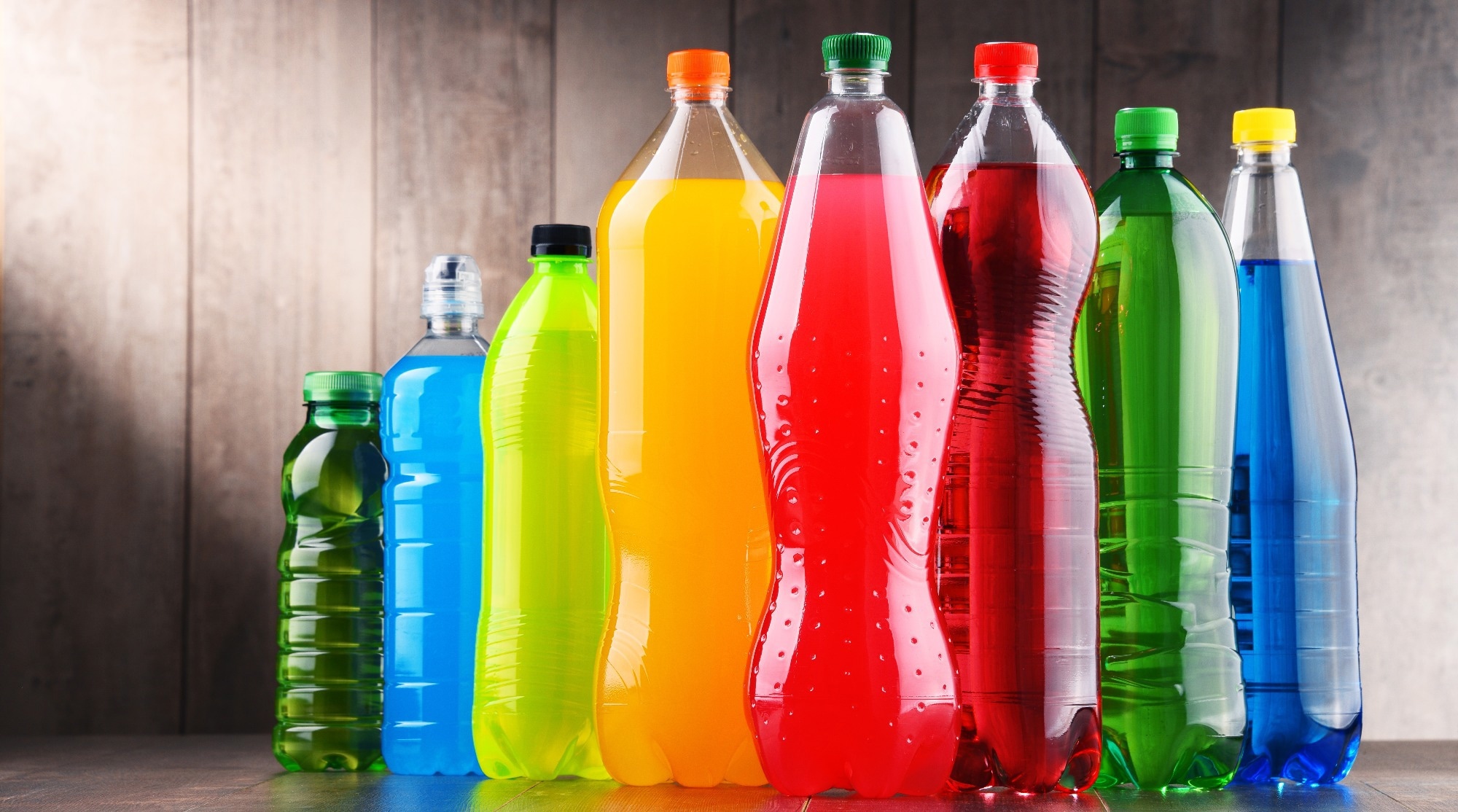 Study: Consumption of Fructose-Containing Food and Beverage Sources in Childhood Through to Adulthood and Risk of Hypertension: A Prospective Cohort Study. Image credit: monticello/Shutterstuck.com
A recent study published in the journal Circulation reveals that higher intakes of sugar-sweetened beverages and fruit juice in childhood were associated with a higher risk of developing high blood pressure later in life.
Investigating fructose sources and hypertension risk
Hypertension, or high blood pressure, is a leading public health concern, with over one billion cases and nine million deaths reported annually worldwide. In recent decades, an increasing prevalence of hypertension has been observed among younger adults, adolescents, and even children.
Hypertension often co-occurs with obesity, type 2 diabetes, and dyslipidemia, which collectively increase the risk of cardiovascular disease. The risk of developing these conditions can be reduced by adopting a healthy lifestyle, such as eating a healthy diet and exercising regularly.
Among dietary components, overconsumption of sugars, especially fructose, has been linked to increased cardiometabolic disease risk, owing to fructose's unique metabolic response in the liver. As a major source of fructose, sugar-sweetened beverages have been consistently linked to adverse health outcomes. In contrast, whole fruits and fruit juice, which also contain high amounts of fructose, have either not been linked or have been inconsistently linked to cardiovascular complications.
Given the potential association between fructose intake and cardiovascular risk, the current study aimed to examine the associations between various fructose-containing food sources and the risk of hypertension.
Twenty-five-year study followed childhood dietary patterns
The study analyzed self-reported lifestyle, health status, and habitual dietary information obtained from participants of the Growing Up Today Study (GUTS). This is an ongoing longitudinal study that ultimately included 25,749 participants after exclusions from two enrollment phases.
In the first phase, which was initiated in 1996, a total of 16,875 children aged 9 to 14 years were enrolled from across the United States. In the second phase, which was initiated in 2004, a total of 10,918 children aged 9 to 16 years were enrolled.
During the follow-up period, which ended in 2021, participants provided information on lifestyle, health status, and habitual diet through validated questionnaires every one to four years. The average ages of participants at enrollment and at the end of follow-up were 12 and 36 years, respectively.
The primary objective of the study was to investigate whether total fructose intake and intakes of sugar-sweetened beverages, fruit juice, and whole fruit were associated with the risk of developing hypertension.
Sugary drinks and fruit juice raise hypertension risk
About 6% of participants reported a diagnosis of hypertension during the follow-up period of 25 years. The analysis controlling for lifestyle and other dietary factors revealed that total fructose intake was not associated with an increased risk of hypertension.
However, the highest intake of sugar-sweetened beverages (two or more servings per day) and fruit juice (1.5 or more servings per day) was significantly associated with higher hypertension risk. Whole fruit intake, on the other hand, did not show any association with hypertension risk.
The substitution analysis indicated that replacing one serving per day of sugar-sweetened beverages with one serving per day of whole fruit, milk, or water was associated with 22%, 13%, and 9% lower risk of hypertension, respectively.
Similarly, replacing one serving of fruit juice per day with one serving of whole fruit per day was associated with a 19% lower risk of hypertension.
Food source matters more than total fructose intake
This large-scale longitudinal study links childhood dietary patterns to long-term hypertension risk. By following participants from childhood to adulthood, the study provides evidence that higher intakes of sugar-sweetened beverages and fruit juice were associated with a higher risk of developing hypertension, whereas higher whole fruit intake was not associated with increased risk.
The study also identifies whole fruit, water, and milk as suitable alternatives to sugar-sweetened beverages and fruit juice. Overall, these findings encourage the inclusion of alternative food sources in dietary interventions for cardiovascular risk management and highlight the need for dietary recommendations that emphasize reducing liquid sources of free sugars and promoting whole-fruit intake.
Among various types of sugar-sweetened beverages analyzed in the study, both soda and sports drinks were linked to increased hypertension risk. These beverages contain high amounts of fructose and sodium and are often consumed in high quantities, which may potentially contribute to hypertension risk through excess energy, increased sodium retention, and altered fluid balance.
Regarding fruit juice, the study reports that excessive intake is associated with an increased risk of hypertension. Apart from fructose, fruit juice contains sufficient amounts of vitamins, minerals, and polyphenols, which may protect against the negative cardiometabolic effects of fructose when fruit juice is consumed at low-to-moderate doses.
The study also observed a possible J-shaped dose-response pattern, suggesting that lower intakes were not associated with harm and may even confer benefits, although this pattern was not statistically significant. However, this protective effect may be neutralized by excessive fructose in higher doses of fruit juice.
Notably, the study finds a trend toward a lower risk of hypertension with whole-fruit intake, which may be due to the presence of high levels of dietary fiber, polyphenols, and other nutrients. These vital food components are lost during the processing of fruit juice, and thereby, the cardio-protective benefits of whole fruits are not retained in fruit juice.
As an observational study, the findings demonstrate associations rather than cause-and-effect relationships. In addition, dietary intake, body mass index, and hypertension diagnoses were self-reported, and because the study population was predominantly non-Hispanic White, the findings may not be generalizable to more diverse populations.
Given the increasing prevalence of hypertension in younger generations, these findings support clinical guidelines and public health policies that limit the overconsumption of sugar-sweetened beverages and fruit juice to reduce long-term hypertension risk.
Download your PDF copy by clicking here.
 Elevated blood pressure linked to lower dementia risk in people with physical frailty