Introduction
How metabolomics reveals the effects of diet
The role of the gut microbiome in food metabolism
Food-derived metabolites and health effects
Metabolomics and personalized nutrition
Challenges and future directions
References
Further reading
The molecules left behind after a meal offer clues to a central nutrition question: why can the same foods produce different metabolic responses in different people?
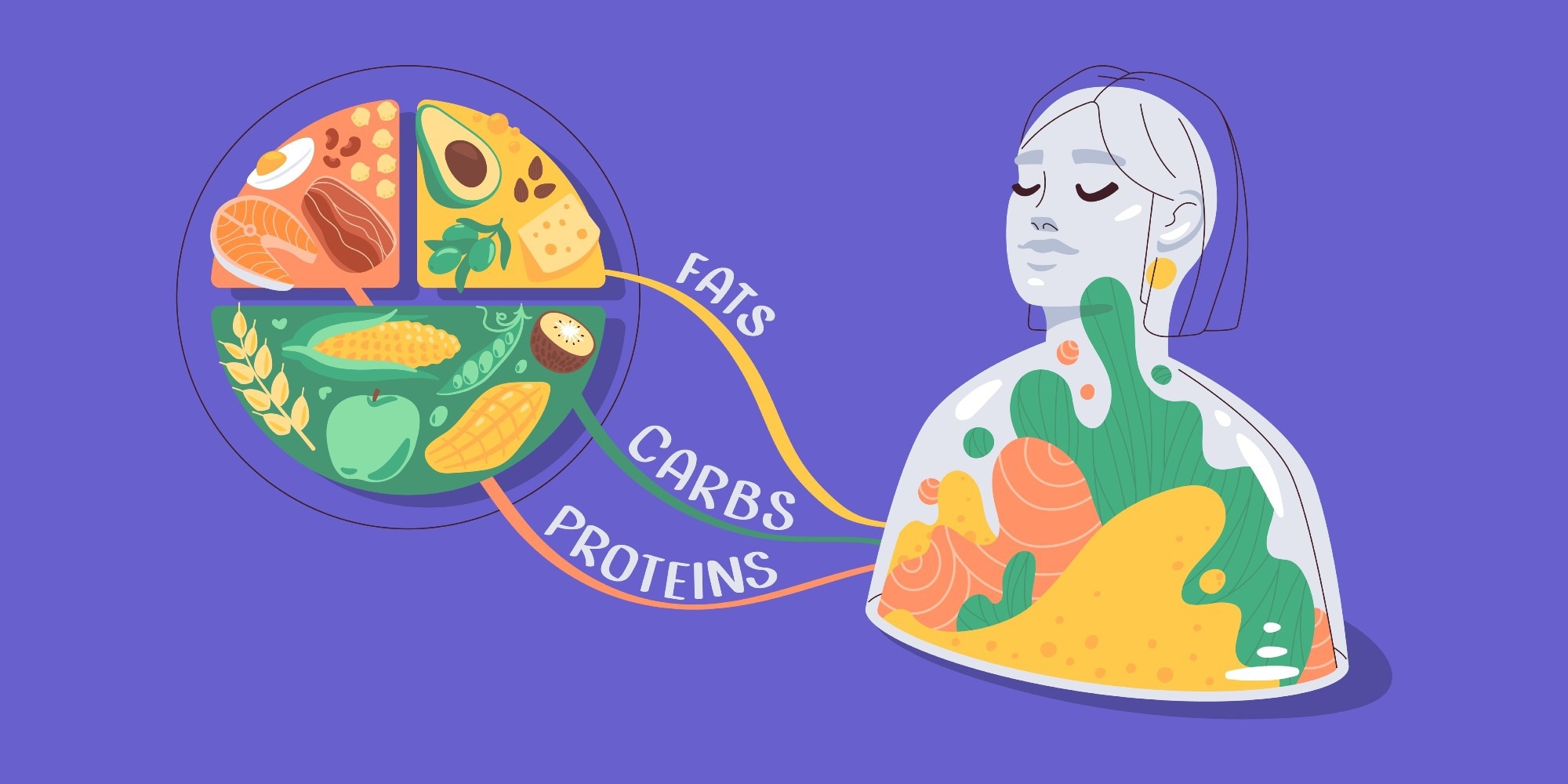 Image Credit: Ekaterina Solova / Shutterstock.com
Introduction
Metabolomics is the large-scale study of small molecules in a biological system, including those from food and those produced by the body and gut microorganisms. Metabolism comprises the processes by which the body converts food into energy and other molecules needed for growth, repair, and normal function. Distinct metabolomic signatures can help researchers understand how dietary patterns, host genetics, and gut microbial activity influence biological pathways, providing insights beyond traditional nutrition measurements.1–3
Digestion releases nutrients and other dietary compounds; the body absorbs and metabolizes some, while gut microorganisms further transform others. Metabolic processes convert these nutrients into different metabolites that influence energy production, immune regulation, and tissue function.2,3
The resulting metabolite profile includes compounds absorbed from food, microbial metabolites, and molecules the body produces in response to dietary intake. Measuring these compounds in blood or urine helps researchers link food intake to metabolic responses, though the profile reflects the combined effects of diet and other biological influences.1–4 Metabolome alterations may help predict an individual’s disease risk and reflect genetic and environmental influences, including age, sex, medication use, lifestyle, health status, and dietary intake.2,3
Using analytical techniques like mass spectrometry (MS) and nuclear magnetic resonance (NMR) spectroscopy, researchers can quantify metabolite levels in urine, blood, and other biological samples. MS offers high sensitivity but often requires chromatographic separation. In contrast, NMR requires minimal sample preparation and provides highly reproducible results but has lower sensitivity than MS.
Targeted metabolomics measures a selected set of metabolites, while untargeted metabolomics surveys a broader range of signals to identify differences between samples.2,3 For example, NMR-based urinary metabolite profiling has been used to differentiate healthy and unhealthy dietary patterns among Americans and link metabolite profiles with blood pressure, adiposity, and renal function.2
Metabolomics may also identify novel biomarkers that reflect specific dietary and lifestyle exposures. For example, urinary dihydroxybenzoic acid (DHBA)-glycine, 3-carboxy-4-methyl-5-propyl-2-furanpropanoic acid (CMPF), and CMPF-glucuronide are associated with the Healthy Nordic Diet, whereas other metabolites like glucose, certain amino acids, and phospholipids have been associated with higher insulin resistance and metabolic disorders.
Building on these findings, metabolomics may guide dietary interventions based on personalized risk profiles and objective assessments, reducing reliance on self-reported data.1,3,4 Few food intake biomarkers are fully validated; therefore, candidate markers need testing for specificity, dose and time responses, reproducibility, and performance across populations.1,4
Science in 1 minute: What is metabolomics?
Gut microorganisms break down dietary components that human enzymes cannot fully digest. This microbial activity produces metabolites like short-chain fatty acids (SCFAs), including formate, acetate, propionate, and butyrate, that protect epithelial integrity, suppress inflammation, and regulate energy balance. SCFAs can also influence intestinal hormones, appetite, blood pressure, and glucose and lipid homeostasis.1
Microbial enterotypes, broad groupings based on gut microbial composition, may also influence weight-loss responses. For example, classifying individuals by the predominance of gut microbes such as Prevotella and Bacteroides helped predict weight-loss responses after an average Danish diet or a high-fiber new Nordic diet.
The high-fiber diet appeared to improve weight loss among Prevotella-enterotype subjects, with no corresponding benefit identified among those with the Bacteroides enterotype. Thus, microbial composition may help explain dietary responses; however, its usefulness for routine weight-loss advice remains uncertain.4
Indolepropionic acid is a microbial conversion product from dietary tryptophan. Indolepropionic acid levels in blood have been associated with lower intake of animal-based foods and higher intake of fiber-rich plant-based foods, partly explained by associations with gut bacteria such as Firmicutes and Bifidobacterium.1
Metabolites produced from carbohydrates, fats, proteins, polyphenols, and other dietary compounds can influence different biological pathways. In particular, diet-derived metabolites may affect processes related to cardiometabolic health, aging, and disease risk, and some act as signaling molecules in the body. Other metabolites may primarily serve as markers of dietary exposure or metabolic status.1,3
Amino acids like glycine and phenylalanine, together with lipids such as palmitic acid, have been associated with type 2 diabetes (T2D) onset or differences between prediabetes and diabetes. People with diabetic renal disease may have higher cysteine levels and lower glycine and several other metabolites than controls, suggesting changes in amino acids and other metabolic pathways.3 Metabolomics can also help explain why individuals consuming identical meals experience different postprandial glucose responses.4
Metabolite concentrations may reflect metabolic health. For example, indolepropionic acid levels have been associated with more favorable insulin-related measures and a reduced risk of T2D and metabolic syndrome.
By comparison, indolelactic acid has been associated with obesity, insulin resistance, and higher T2D risk.1 Another example is 5-aminovaleric acid betaine (5-AVAB), which can be absorbed directly from foods such as whole-grain cereals or formed through conversion of other compounds, potentially involving gut microbiota.
Reported anti-inflammatory, anticancer, and antioxidant properties have not been shown to translate into clinical benefits in humans. Associations with fatty liver disease and cognitive decline have also been reported, leaving its health effects uncertain.1
 Image Credit: Shutterstock GenAI / Shutterstock.com
Elevated trimethylamine N-oxide (TMAO) levels, a metabolite produced from dietary carnitine and choline by gut microbes and liver enzymes, have been associated with higher cardiovascular disease risk. TMAO can also be absorbed directly from foods such as fish, though its metabolic role remains unclear.1 Metabolites including mannose and pyrraline have also been linked with poorer cardiometabolic health.4
Several ceramides have been associated with T2D risk and have been proposed to partly mediate the associations between red meat and coffee consumption and T2D risk. Ceramides (Cer) 16:0 and Cer 18:0 have been associated with a greater risk of diabetes, whereas dihydroceramide (dhCer) 26:1 has been associated with lower T2D risk.1
In a cross-sectional study comparing 52 lean, physically active adults with healthy dietary patterns and 52 adults with obesity, low physical activity, and unhealthy dietary patterns, the former group had lower plasma levels of numerous bile acids, glutamic acid, glutamine, β-alanine, phenylalanine, tyrosine, and proline, and higher levels of histidine and vitamin D-related metabolites. The study could not separate dietary effects from those of body composition and physical activity.
The same paper summarizes earlier studies linking obesity with higher levels of urate, branched-chain amino acids (BCAAs), and some lipid-related metabolites, including acylcarnitines and triglycerides. Higher glucose and mannose, along with lower levels of HDL-related lipids and compounds such as cinnamoylglycine, have also been associated with obesity.5
Metabolomics can characterize metabolic profiles and identify subgroups of metabolically similar individuals, called metabotypes. These groups may support personalized dietary interventions, disease risk prediction, and assessment of differences in dietary responses. For example, the Personalized Glucose Optimization Through Nutritional Intervention (PERSON) study tested dietary advice based on tissue-specific insulin resistance.1,4
In this 12-week study, researchers classified individuals as muscle insulin resistant or liver insulin resistant based on oral glucose tolerance test (OGTT) results. Within each phenotype, study participants were randomly assigned diets hypothesized to be optimal or suboptimal for their phenotype. The trial found no significant benefit for the primary outcome, the disposition index, which relates insulin secretion to insulin sensitivity. Secondary outcomes included improvements in insulin sensitivity, glucose homeostasis, serum triacylglycerol, and C-reactive protein (CRP), with the benefits observed in those receiving the diets initially classified as suboptimal.4
The PREVENTOMICS platform used metabolic biomarkers and genetic variants to guide personalized dietary advice. In its 10-week randomized trial, both personalized and generic dietary advice improved several outcomes; however, personalization did not produce significantly greater improvements in the outcomes assessed during the trial.1,4
Metabotypes may also be determined based on triacylglycerol, cholesterol, high-density lipoprotein (HDL)-cholesterol, and glucose levels to personalize nutrition advice. Researchers have identified three metabotypes using these routine markers and replicated them in another population, with different rates of cardiometabolic disease across groups. Intervention testing is needed to establish whether tailoring advice to these groups improves health.
Separately, an algorithm-guided personalized diet study in adults with newly diagnosed T2D reported improvements in hemoglobin A1c (HbA1c), fasting glucose, and triglycerides. This study used a broader prediction algorithm that incorporated clinical and lifestyle information, as well as gut microbiota data.4
Combining metabolomics with metagenomics and other biological data may explain why individuals respond differently to diets, underscoring the need for more research before routine clinical use. Focusing on exogenous metabolites, which originate outside the body, can capture information on food intake, while measuring the endogenous metabolome, comprising compounds produced within the body, can inform how diet impacts metabolic pathways.1,4
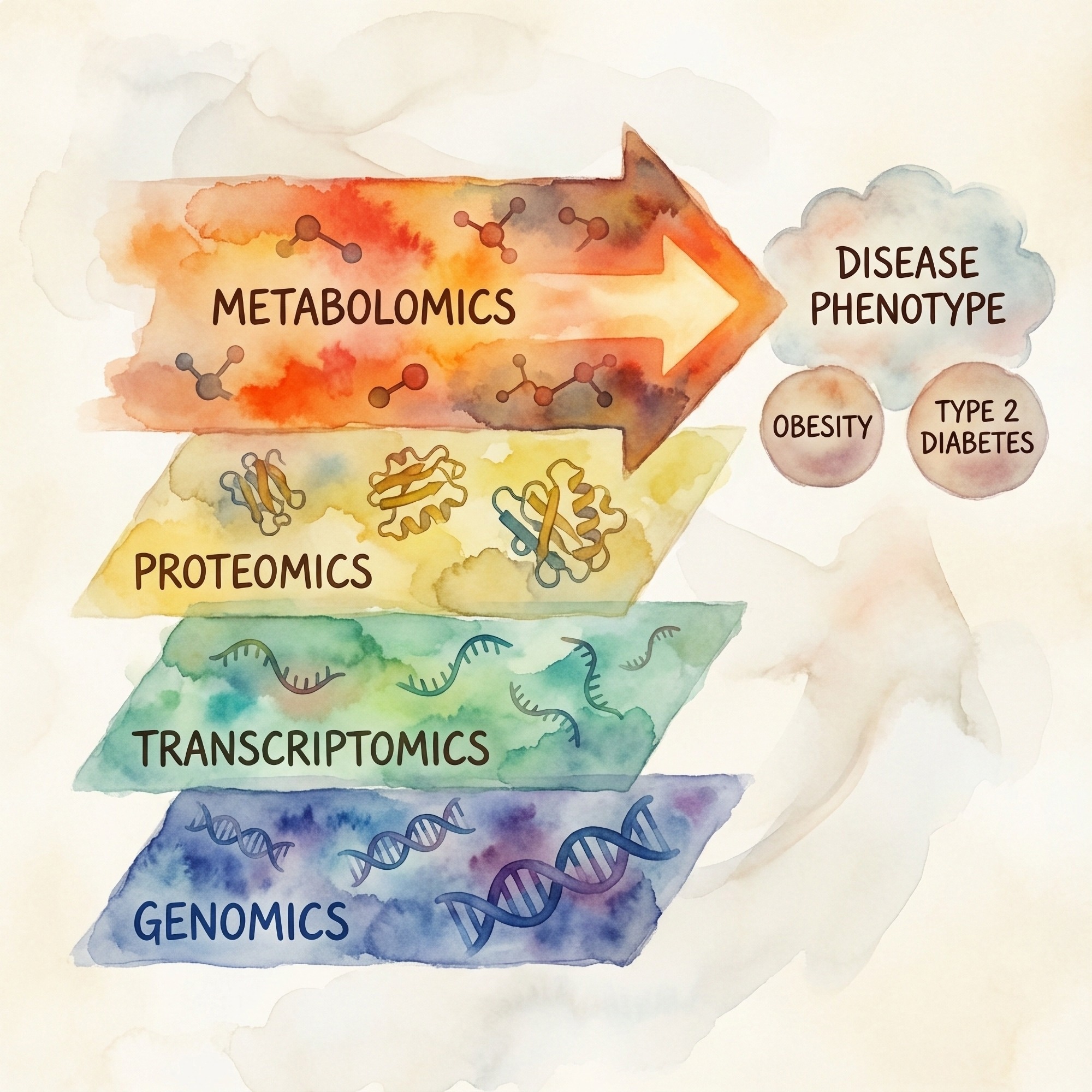 Image Credit: Shutterstock AI / Shutterstock.com
Challenges and future directions
Human metabolism is complex and may differ between individuals because of several genetic, lifestyle-related, and environmental factors. Assessing dietary responses and developing targeted interventions requires accounting for variation between individuals and within the same individual over time, as a single before-and-after comparison may not reliably classify someone as a responder or non-responder.1,4
Associations between metabolites and health outcomes do not establish that a specific food directly causes a biological effect. Larger, standardized, and independently validated studies across diverse populations are needed to identify metabolites that consistently improve clinical risk prediction.
Other barriers include incomplete identification of measured compounds, differences between analytical platforms, sampling conditions, and costs. Combining metabolomics with genetic, lifestyle-related, dietary, intestinal, and environmental information, laboratory results, imaging, and clinical records may improve risk assessment, but clinical value requires validation.1,3,4
Metabolomics provides information about how dietary compounds and other external exposures interact with the host to influence health. Advances in computational analysis and metabolite identification continue to strengthen metabolomics research. Still, wider use in precision nutrition and disease prevention requires validated biomarkers and trials demonstrating benefits over standard dietary advice.1,3,4
References
- Kortesniemi, M., Noerman, S., Kårlund, A., et al. (2023). Nutritional metabolomics: Recent developments and future needs. Current Opinion in Chemical Biology, 77. DOI: 10.1016/j.cbpa.2023.102400. https://www.sciencedirect.com/science/article/pii/S1367593123001382
- Emwas, A. H. M., Al-Rifai, N., Szczepski, K., et al. (2021). You Are What You Eat: Application of Metabolomics Approaches to Advance Nutrition Research. Foods 10(6). DOI: 10.3390/foods10061249. https://www.mdpi.com/2304-8158/10/6/1249
- Dalamaga, M. (2024). Clinical metabolomics: Useful insights, perspectives and challenges. Metabolism Open 22; 100290. DOI: 10.1016/j.metop.2024.100290. https://www.sciencedirect.com/science/article/pii/S2589936824000227
- Brennan, L. & De Roos, B. (2023). Role of metabolomics in the delivery of precision nutrition. Redox Biology, 6, 102808. DOI: 10.1016/j.redox.2023.102808. https://www.sciencedirect.com/science/article/pii/S2213231723002094
- Pathmasiri, W., Rushing, B. R., McRitchie, S., et al. (2024). Untargeted metabolomics reveal signatures of a healthy lifestyle. Scientific Reports 14. DOI: 10.1038/s41598-024-64561-z. https://www.nature.com/articles/s41598-024-64561-z
Further Reading
Last Updated: Oct 28, 2026
 Sex-specific biological clocks reveal how aging differs across the body in women and men