A Belgian study reveals why donors choose science over tradition and how family conversations can turn loss into a lasting contribution to medical education and public health.
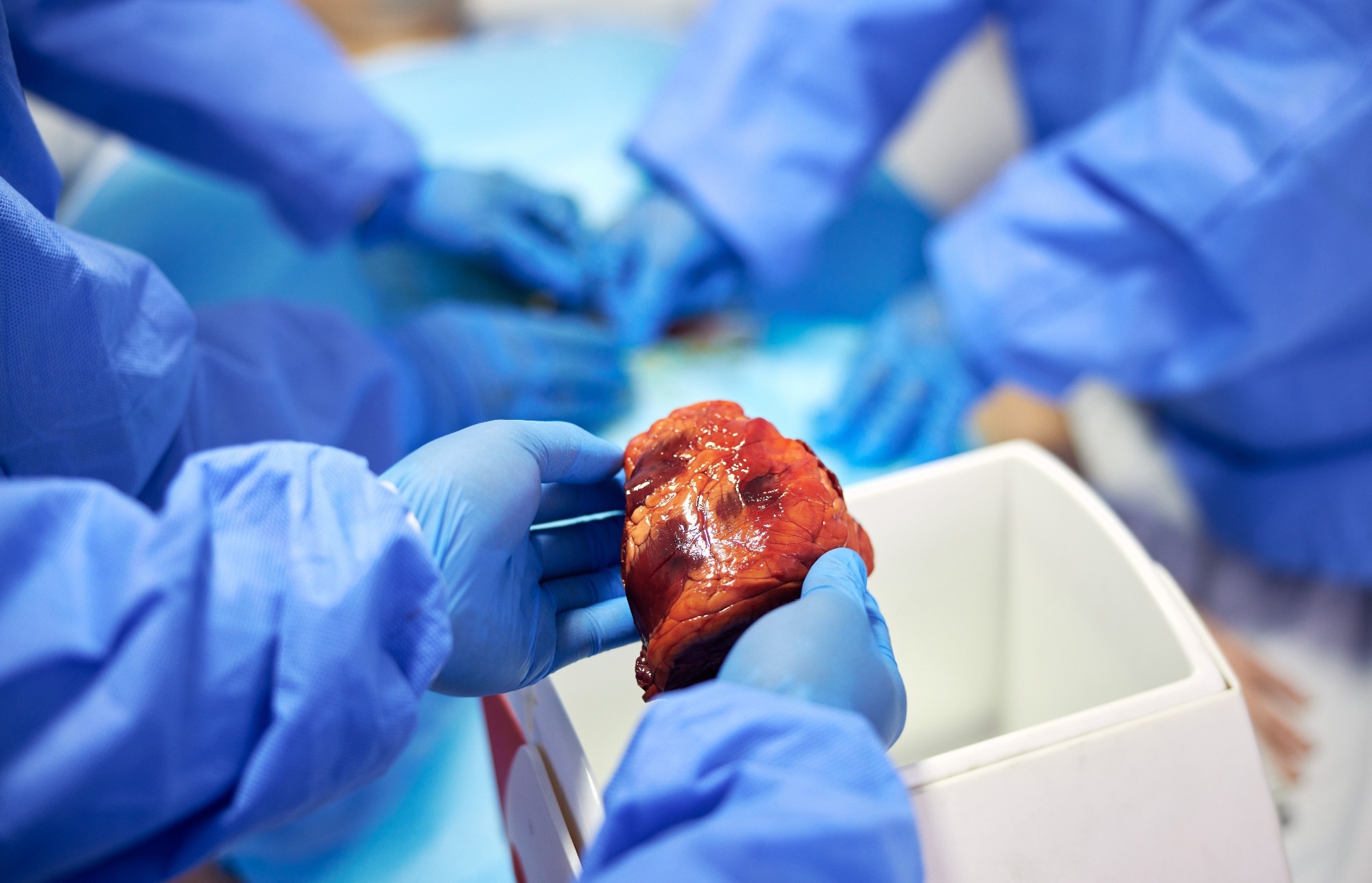 Study: Beyond the gift: donor motivations and family experiences as drivers of body donation programs. Image credit: PeopleImages/Shutterstock.com
Researchers at the University of Liège, Belgium, conducted an exploratory study to identify psychological, social, and cultural factors that can potentially influence an individual’s motivations and decisions for body donation. The study, published in Frontiers in Public Health, was conducted within a single Belgian university body donation program.
Body donation decisions are shaped by personal values and families
Body donation to science is a generous and self-sacrificing act for the greater benefit of mankind, wherein an individual donates their body to educational institutions after death to facilitate the training process of healthcare professionals and the advancement of biomedical research. With the increasing number of medical students and biomedical faculties, demand for human cadavers is simultaneously rising worldwide.
Various motivations can influence an individual’s decision to donate their body, including generosity, a desire to contribute to medical advancements, a desire to create a meaningful and long-lasting impact on society, and avoiding burial costs or traditional funeral practices.
The motivations of donors and the expectations of their families are the key factors that shape the success of body donation initiatives. However, these factors largely remain unexplored in the literature.
Experiences of the donor’s family members are particularly vital in this context, as family support amplifies the donor’s motivation. However, family members may often experience a state of “double loss”, encompassing the death of their loved one as well as the temporary absence of the body during its use in training and research.
It is thus essential to integrate their experiences into body donation programs to support broader public health goals of transparency, equity, and social legitimacy. Clear communication between donors and family members, education and awareness, and trust in healthcare professionals are vital for family consent.
In the current study, researchers from the University of Liège explored the motivations of body donors and the experiences of their family members, interpreting the findings through integrative behavioral frameworks to inform institutional and public health practices.
Donors prioritize scientific contribution while families navigate loss
The study included a total of 104 registered donors and a smaller exploratory group of 10 family members of deceased donors. The analysis of self-reported questionnaires from the donors revealed that scientific utility was the leading motivation. Other prominent motivations were the desire for symbolic survival after death, the desire to support medical research, and expressing gratitude for medical care.
About 96 % of donors reported informing their family members about body donation. In most cases, family members’ reactions were favorable, followed by astonishment and a mix of sadness and other emotions. In general, the families expressed a sense of “double loss” at the time of death and at the time of restitution.
The study identified word of mouth as the leading source of information about body donation. Other sources included traditional and digital media, as well as healthcare and teaching personnel.
Approximately 88 % of donors reported that family members did not influence their decisions. About 11 % of donors who reported some family influence cited respect for autonomy and a family tradition of donation as the primary explanations.
Body donation as a public health issue
The study identifies key donor motivations and family experiences that are vital for strengthening trust, enhancing engagement, and ensuring the sustainability of donation programs.
The desire to contribute to science and education is the predominant motivation for body donation, according to the study findings. Other major motivations were symbolic meaning, altruism, and gratitude. Interestingly, the study did not find practical considerations, such as reducing funeral costs, as a major motivation among donors.
These observations suggest that the motivation for body donation has a multidimensional origin, combining scientific contribution with personal and existential values. By highlighting the relative hierarchy of key drivers, the study reveals that, unlike organ donation, which is mainly associated with altruism and duty, whole-body donation appears to be a more reflexive and meaning-driven act, relating to educational and symbolic significance.
The majority of donors reported making their own decision about body donation and mentioned minimal family influence. However, they reported discussing their choice with family members, whose reactions varied by the donor’s occupational category. Employees or civil servants expressed support more frequently, while workers or technicians reported sadness more often.
These findings indicate that although motivation for body donation is primarily personal, family dialogue plays a key role in legitimizing the choice and facilitating grief. In other words, the study supports the idea that body donation is both a profoundly individual decision and a relational act negotiated within family and cultural networks.
The feeling of “double loss” experienced by many family members at the time of death and later at the restitution of remains indicates that disrupted rituals and delayed closure can complicate mourning.
However, some family members reported that the donation decision helped them transform loss into a meaningful contribution to society. This finding further highlights the importance of tailored family support. The authors note that the family-related findings are exploratory, as they are based on a small sample, and should be interpreted with caution.
Overall, the study highlights the need to integrate body donation into educational and public health agendas to promote and sustain the growth of donation programs worldwide.
Download your PDF copy now!
 New research could improve how brain cancer and tumors are treated