Tracking nearly 30,000 older Americans over eight years, researchers show that long-term exposure to common air pollutants may not only raise the risk of physical decline but also reduce the chances of recovery.
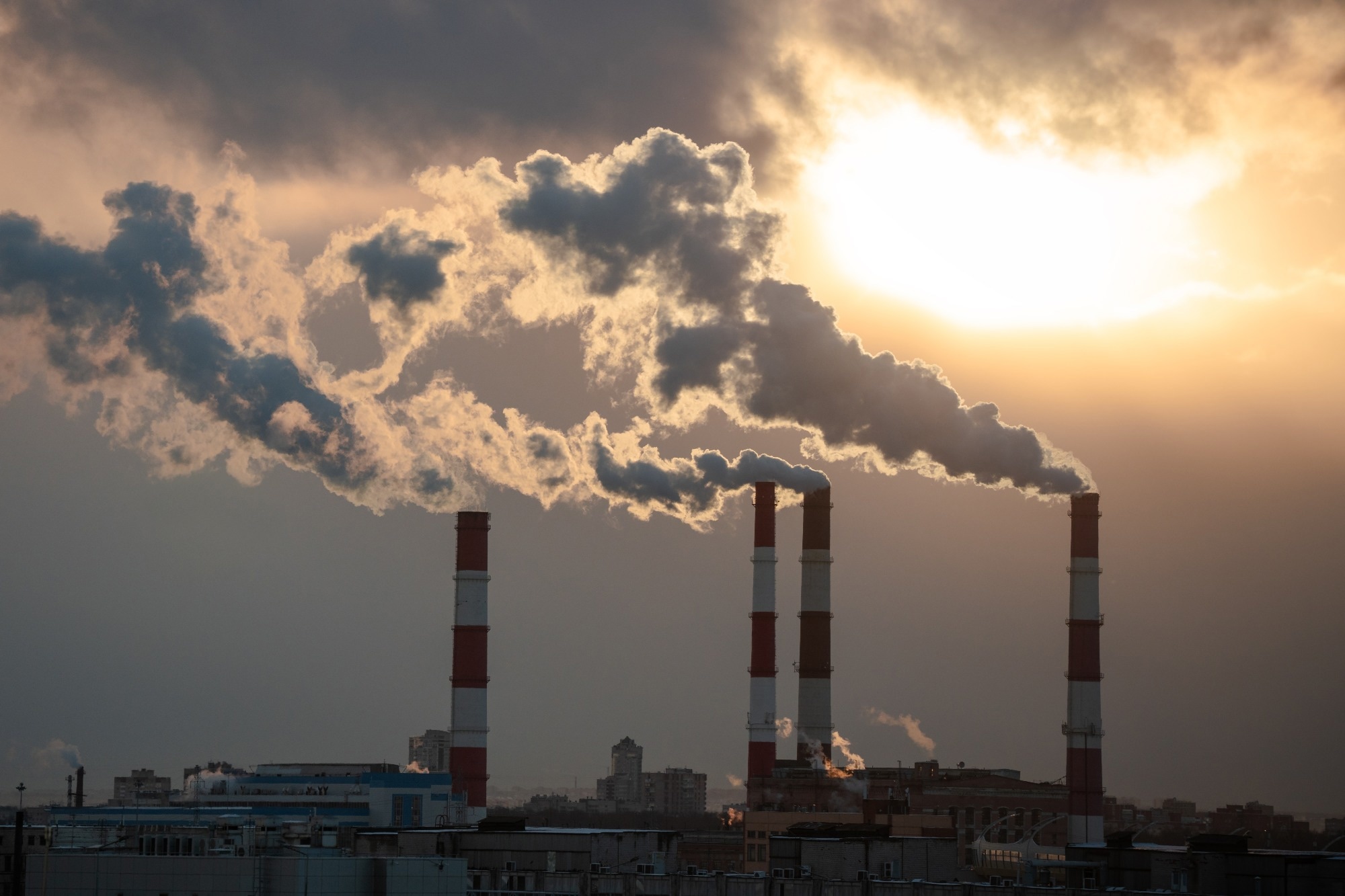 Study: Air Pollution and the Progression of Physical Function Limitations and Disability in Aging Adults. Image credit: DimaBerlin/Shutterstock.com
A recent study published in JAMA Network Open investigated how long-term exposure to air pollution influences the dynamic process of physical disability with aging. Long-term residential exposure to PM2.5, PM10-2.5, and NO2 was associated with a higher risk of worsening disability states, and PM2.5 was also associated with a lower likelihood of recovery from physical function limitations in older adults.
Understanding Air Pollution’s Role in Physical Disability
Life expectancy has increased worldwide, resulting in an expanded period of managing physical disabilities, which has significantly increased emotional and financial burdens. Older adults with physical disabilities require much more medical care and experience higher health care costs than those without. Considering these burdens, it is imperative to identify modifiable factors that influence physical disability in older adults, which could play a critical role in reducing or delaying disability.
Physical disability usually develops gradually, beginning with subtle health changes and chronic disease. As health worsens, people may develop functional limitations that can progress to difficulty with activities of daily living (ADL). This process isn't always linear; setbacks may be followed by periods of recovery, particularly after acute health events. Understanding disability as a continuum may help identify factors that worsen or improve it.
Long-term exposure to air pollutants such as particulate matter (PM), nitrogen dioxide (NO2), and ozone (O3) increases the risk of chronic diseases and contributes to physical limitations and disability. These pollutants can trigger inflammation, oxidative stress, and endothelial dysfunction, negatively affecting cardiovascular, respiratory, and metabolic health.
Air pollution may also disrupt hormone levels and reduce vitamin D levels, weakening bones and physical function. While these connections are biologically plausible, research on this topic is scattered. Furthermore, it is not clear how pollution affects the progression between being fully able, having limitations, and developing severe disability.
Linking Air Pollution to Disability in Aging Populations
The study cohort included respondents from the Health and Retirement Study (HRS), which is a large, ongoing study designed to understand healthy aging. This study enrolls a diverse, nationally representative group of about 20,000 US citizens aged 50 or older. The Environmental Predictors of Cognitive Health and Aging (EPOCH) study provided environmental data for HRS participants between 2000 and 2016. Respondents with at least two interviews and complete data on exposures, outcomes, and key covariates were included.
The current study defined physical function limitations as self-reported difficulty with mobility tasks, especially walking one block or climbing one stair. ADL disability was assessed by self-reported difficulty or need for help with six daily tasks.
Spatiotemporal models based on the US Environmental Protection Agency Air Quality System and regional air quality data were used to assess participants’ exposure to PM2.5, PM10-2.5, NO2, and O3 at their homes. These models accounted for residential history and local factors, with strong predictive accuracy.
Analyses adjusted for a broad range of demographic and socioeconomic factors, including age, sex, race, education, home ownership, wealth, neighbourhood socioeconomic status, and urbanicity, to minimize confounding.
Long-Term Air Pollution Exposure Shapes Physical Health in Older Age
A total of 29,790 respondents, with an average age of 63 years, were included and followed for about 8 years. Of these, 57% were women, 11% were Hispanic, 18% were non-Hispanic Black, and 68% were non-Hispanic White. The majority of respondents resided in urban areas, and 42% of them reported having some college education.
At baseline, the average number of physical function limitations was 1, and most reported no physical disability. Among over 106,000 unique examination pairs, almost half remained healthy, while 18% had function limitations and 13% had ADL disability. Progression to worse states occurred in 15% of observations, most often from healthy to limited function or to disability. Reversions were less common overall, and when they occurred, they were most often from limitations back to healthy function.
Average air pollution levels over 10 years were 11 µg/m3 for PM2.5, 10 µg/m3 for PM10-2.5, 11 ppb for NO2, and 27 ppb for O3. Those with physical limitations or disabilities had slightly higher exposure to pollution, except for O3, which was lower among them. PM2.5 and NO2 were positively correlated, while O3 was negatively correlated with both.
Multistate modeling exhibited that higher PM2.5, PM10-2.5, and NO2 exposure were associated with increased risk of developing physical limitations or disability, and PM2.5 was associated with a lower likelihood of reverting from physical function limitations to healthy function. In contrast, higher O3 was inversely associated with transitions to physical limitations and ADL disability, although the strength of these associations varied across model specifications and with adjustment for co-pollutants. These associations were stronger in single-pollutant models than in multipollutant models, and some results were not statistically significant.
Secondary analyses indicated that higher PM2.5, PM10-2.5, and NO2 were associated with faster progression of physical limitations and disability, with PM2.5 having the strongest impact. Higher O3 was linked to slower progression. Most associations remained after adjusting for other pollutants, except for O3 and ADL disability.
Sensitivity analyses confirmed the findings, with results holding when only healthy participants were included or when different pollution exposure windows were used, though associations were slightly weaker with shorter exposure periods.
Conclusions
Long-term exposure to common air pollutants has been associated with increased risk and faster progression of physical limitations and disability among older adults. Conversely, higher O3 exposure was inversely associated with disability development and progression in this cohort, rather than being definitively protective.
The authors note that this unexpected inverse association with O3 may reflect complex atmospheric chemistry or unmeasured environmental factors. Because the study was observational, the findings demonstrate associations rather than proving that air pollution directly causes disability progression.
These findings highlight the importance of addressing air quality to support healthy aging and maintain independence in later life.
Download your PDF copy here!
 Cruise ship pollution increases risk of viral infections in ports