New research shows pregnant women seeking morning sickness relief on YouTube often encounter advice with limited evidence, raising concerns about safety, trust, and the growing role of digital health information in pregnancy care.
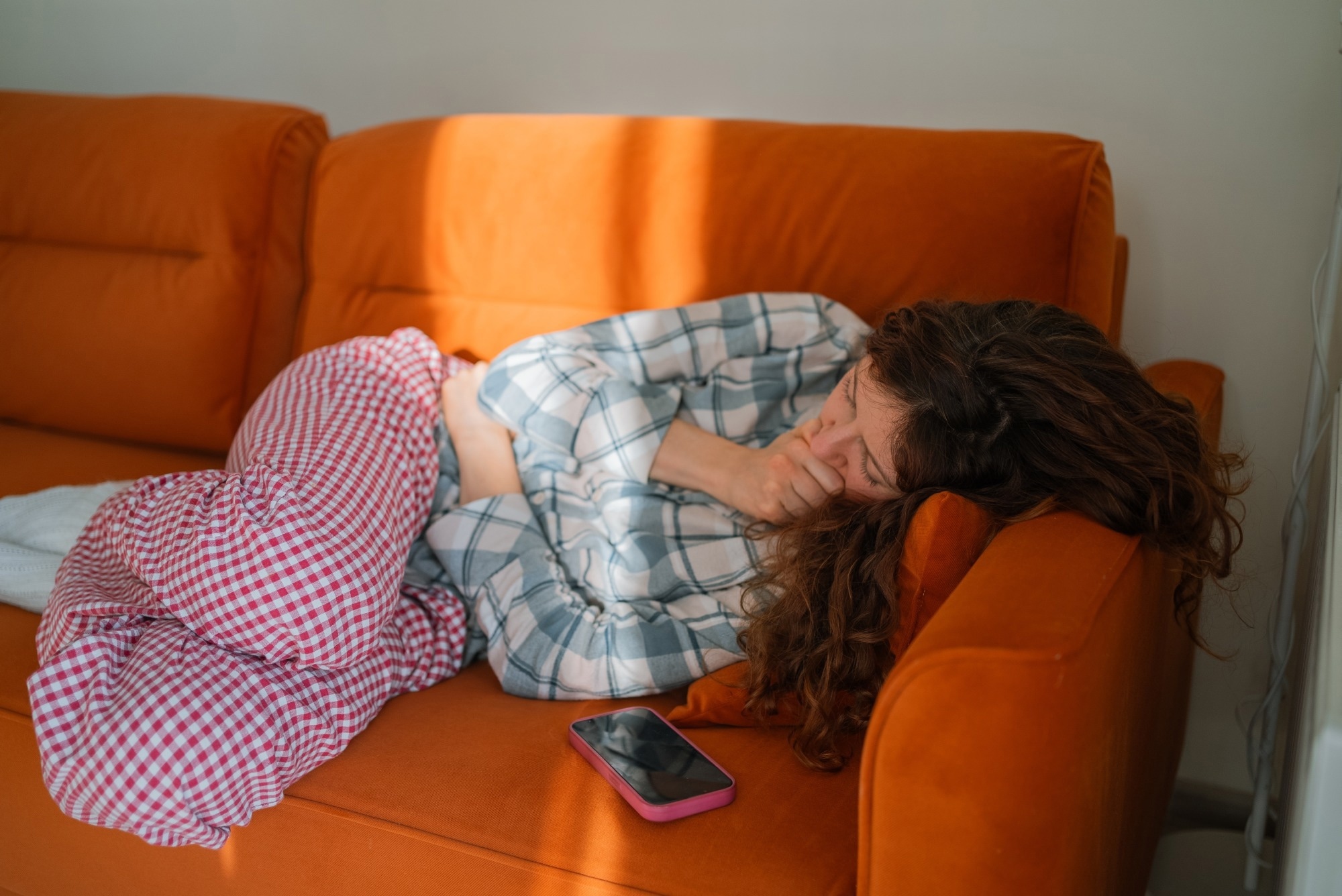
Study: YouTube as a source of (mis)information for morning sickness self-help – A content analysis and literature review of recommendations for nausea and vomiting in pregnancy. Image Credit: Elena Shishkina / Shutterstock
In a recent study published in the journal Midwifery, researchers evaluated the extent to which recommendations were evidence-based and the potential reliability of advice on pregnancy-related nausea and vomiting (NVP) shared on YouTube. They identified 85 commonly cited recommendations, only eight percent of which were supported by evidence. Nearly five percent of the recommendations were potentially harmful.
The findings suggest pregnant women searching online for NVP relief may encounter a wide range of recommendations with varying evidentiary support, some of which may be misleading or unsafe. The results underscore the importance of improved dissemination of evidence-based guidance online and proactive counselling by healthcare professionals.
Pregnancy-Related Nausea and Vomiting and Digital Information-Seeking
Pregnancy-related NVP affects the majority of expectant mothers and is often linked to diminished quality of life. In seeking relief, many women turn to the internet for self-care advice, particularly when they feel their concerns may not always be fully addressed during clinical consultations. While digital platforms have expanded access to health information, they have also amplified exposure to inaccurate or misleading content.
On YouTube, both healthcare professionals (HCPs) and independent creators share educational material and personal experiences. Prior research has identified misinformation related to pregnancy interventions and medications, raising concerns about its influence on maternal decision-making.
Digital Content Evaluation of YouTube NVP Recommendations
Researchers performed an inductive digital content evaluation of pregnancy-related NVP recommendations shared on YouTube, followed by a structured literature review to assess the strength and consistency of evidence supporting online advice.
The team analyzed 45 English-language videos with the highest view counts, published between December 2022 and October 2023, that included direct or indirect self-care recommendations. They excluded videos with unclear audio, those targeting HCPs, focusing on hyperemesis gravidarum, lacking specific recommendations, or addressing non-pregnancy-related symptoms.
Three researchers independently reviewed video transcripts and applied open coding to identify recurring recommendations. They grouped these recommendations according to their proposed biological mechanisms or underlying rationale and refined them through iterative comparison to reduce overlap and consolidate related concepts.
Literature Review and Evidence Classification Methods
The authors searched major peer-reviewed literature databases accessed via a university library system between February and December 2023. They classified each recommendation as effective, ineffective, potentially unsafe, unclear in effectiveness, or not investigated, based on the strength and consistency of available peer-reviewed evidence.
Overview of Identified Recommendations and Video Characteristics
The analysis identified 85 distinct recommendations for managing NVP, most of which appeared in videos uploaded from the United States and India between 2018 and 2020. The videos averaged seven to eight minutes in length and had each garnered more than 200,000 views, underscoring their broad reach. Recommendations were grouped into six categories: pharmacological treatments, herbal and alternative medicine, lifestyle modifications, dietary advice, supplements, and other approaches.
Dietary strategies dominated the video content, with more than 60% of videos advising ginger consumption, frequent small meals, and consultation with an HCP. Other commonly mentioned suggestions included vitamin B6 supplementation, doxylamine-pyridoxine combinations, eating dry foods, avoiding spicy foods, rest, loose clothing, and physical activity.
Evidence-Supported Recommendations and Clinical Consistency
Less than 10% of all recommendations, eight in total, were supported by consistent scientific evidence. These included ginger, vitamin B6, and certain medications such as metoclopramide, ondansetron, diphenhydramine, promethazine, and antacids, the latter particularly beneficial when NVP co-occurred with heartburn or gastroesophageal reflux.
Potentially Unsafe Advice and Research Gaps
Approximately five percent of recommendations were deemed potentially unsafe. Herbal remedies such as chamomile, peppermint, and fennel were considered contraindicated during pregnancy based largely on precautionary evidence suggesting possible adverse pregnancy outcomes, while cannabidiol (CBD) may cross the placental barrier. Nearly half of the identified recommendations showed mixed or limited evidence, and over one-third had not been scientifically investigated, highlighting substantial research gaps.
Approaches such as acupuncture, aromatherapy, physical activity, dietary salt or coconut water intake, and avoidance of strong odors showed mixed findings. Others, including homeopathy, magnesium oil application, relaxation techniques, bananas, carom seeds, ice chips, and sipping very cold beverages, lacked robust clinical evaluation. The findings highlight significant gaps between widely shared advice and established research.
Implications for Maternal Health Information and Future Research
Overall, the findings indicate women seeking relief from morning sickness on YouTube encounter a wide array of recommendations. Fewer than 10% are supported by scientific evidence, nearly 5% may be potentially harmful, and over 1/3 remain unstudied. This imbalance may heighten confusion and anxiety during pregnancy. The authors highlight the need for rigorous research on non-pharmacological and holistic NVP interventions, as well as greater cultural and ethnic diversity in the existing evidence base.
Future studies should expand analyses to other social media platforms to improve generalizability and compare the quality of information across digital sources. Further research should adopt quantitative approaches to assess the prevalence of evidence-based recommendations and examine differences in content between HCPs and non-expert influencers. Investigations should also explore the influence of exposure to unverified online advice on women’s decision-making, emotional well-being, and trust in antenatal healthcare guidance.
Journal reference:
- Geusens, F., Van Dooren, H., De Langhe, H., Ceulemans, M., & Bogaerts, A. (2026). YouTube as a source of (mis)information for morning sickness self-help – A content analysis and literature review of recommendations for nausea and vomiting in pregnancy. Midwifery, 156, 104729. DOI: 10.1016/j.midw.2026.104729, https://www.sciencedirect.com/science/article/pii/S0266613826000331
_which_the_pregnant_woman_in_a_coral_dress_embraces_-_ARegina_be8fb2211c1b4cca93378f2b8fa975cb-80x70.jpg) Fish consumption may help reduce hypertensive disorders of pregnancy
Fish consumption may help reduce hypertensive disorders of pregnancy