Firmer, less-cooked potatoes may offer a simple dietary strategy to reduce blood sugar spikes, but the benefits appear short-lived and population-specific.
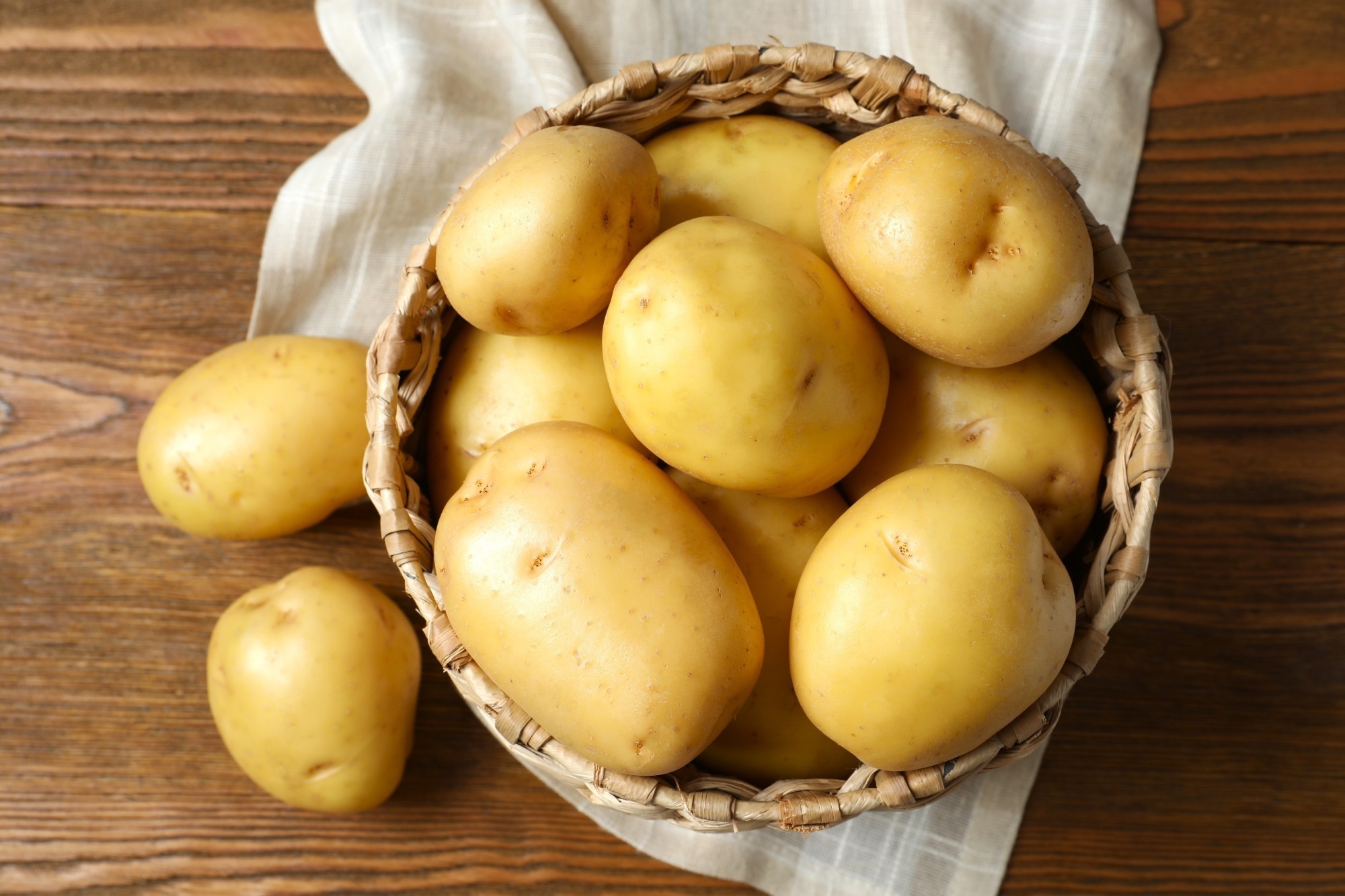 Study: Minimally Cooked Potato Improved Glycemic Response Across Two Meals and Insulin Sensitivity of Rice–Potato Mixed Meals: A Randomized Controlled Acute Trial. Image credit:Sunlight_s/Shutterstock.com
A recent study published in Nutrients examined the relationships among texture, oral processing, and starch digestibility in hard-cooked (HP) and soft-cooked (SP) potato samples. The study further assessed acute postprandial glycemic and insulinemic responses when these potato preparations were co-ingested with rice.
Potato consumption, cooking method, and glycemic outcomes
The global burden of diabetes continues to escalate at an alarming rate. According to current projections, the condition is expected to affect approximately 783 million people worldwide by 2045. Given that dietary carbohydrates are the primary determinant of postprandial glycemia, the strategic selection of starchy foods represents a modifiable, clinically relevant target for glycemic management, particularly in populations with predominantly carbohydrate-based diets.
Potatoes are among the most widely consumed starchy staples globally and provide a cost-effective source of potassium, fiber, vitamin C, and antioxidants. Their relationship with diabetes risk, however, remains contested, with epidemiological studies producing inconsistent findings across both gestational and type 2 diabetes outcomes. These inconsistencies likely stem from how potatoes are cooked and consumed.
The cooking method critically determines potato texture and, consequently, its glycemic properties. Hard-textured potatoes, such as those that are stir-fried, have a reported glycemic index (GI) of approximately 56, compared to approximately 83 for soft-cooked preparations. Hard-cooked potatoes are also a richer source of resistant starch (RS), which reduces postprandial glucose excursions and supports gut health. Additionally, the firmer texture prolongs oral processing, and slower eating with increased chewing has been associated with greater secretion of glucagon-like peptide-1 (GLP-1) and peptide YY and improved insulin sensitivity.
Despite these insights, clinical evidence directly comparing hard and soft-cooked potato substitution in a mixed meal remains limited, particularly regarding whether glycemic benefits persist beyond the index meal through RS-mediated fermentation.
Assessing glycemic responses to potato texture in a randomized crossover trial
The study adopted a randomized crossover design with three treatments: rice as the sole staple (RC); hard-textured potato replacing one-third of available carbohydrates from rice (HP + R); and soft-textured potato replacing one-third of available carbohydrates from rice (SP + R).
RC comprised 90 grams of raw rice, while HP + R and SP + R each comprised 60 grams of raw rice combined with 130 grams of raw potato cooked to firm or soft texture, respectively. The standardized dinner was identical across all groups. Palatability was confirmed via a pre-trial tasting session.
Healthy female university students aged 18 to 27 years with a body mass index (BMI) of 18.5 to 23.9 kg/m² were recruited. Each participant completed all three treatments in a randomized sequence with at least one washout day between sessions. Sessions were scheduled outside of menstrual periods. On the day prior to each trial, participants consumed meals at fixed times, avoided sugar-sweetened beverages and alcohol, and slept before midnight.
Lighter cooking yields superior glycemic and metabolic outcomes
Cooking method was a key determinant of starch digestibility. SP yielded the highest rapidly digestible starch (RDS) while HP had the lowest. HP had the highest resistant starch (RS) and the lowest slowly digestible starch (SDS), indicating reduced glucose availability.
Phenolic content declined with cooking intensity: HP lost 38% relative to raw, compared with 55% for SP, while texture softened progressively from raw to SP, with significant differences across nearly all parameters.
Twenty participants completed the trial without adverse events. Both potato-based meals reduced postprandial blood glucose relative to the rice control, with HP + R achieving a more pronounced and sustained reduction than SP + R.
HP + R produced generally more stable blood glucose than both comparators across several variability measures, whereas SP + R increased glucose variability, and HP + R lowered insulin concentrations for up to two hours after eating compared with RC and was lower than SP + R at early time points (30–60 minutes).
Across key insulin parameters, including the incremental area under the curve for postprandial insulin responses (iAUCins), peak insulin, and postprandial insulin resistance index (HOMA-PP), HP + R showed improvements compared with the rice control and some advantages over SP + R at specific time points. It was the only meal to improve insulin sensitivity relative to the rice control.
At the second meal, SP + R produced higher blood glucose than the control at 90 minutes, while HP + R remained comparable throughout, though overall variability did not differ across groups, indicating no clear statistically significant second-meal benefit for HP + R alone.
Over 540 minutes, HP + R significantly reduced total glucose exposure relative to the control, whereas SP + R failed to replicate this benefit. The study's findings showed correlations between longer oral processing and lower glycemic responses, but do not establish a direct causal effect of eating pace; the authors suggest that starch composition likely played a more dominant role than oral processing.
A parallel pattern emerged for insulin, with iAUCins, peak insulin, and HOMA-PP all correlating negatively with eating pace, suggesting an association rather than confirming that slower eating directly improves insulin sensitivity.
Despite these metabolic differences, satiety, hunger, and food desire did not differ significantly across meal types, indicating that HP + R’s glycemic benefits operated independently of subjective appetite.
Conclusions
This study demonstrates that partially replacing rice with minimally cooked potatoes reduced postprandial glycemic and insulinemic responses in healthy females, likely driven by higher RS content and reduced glucose availability rather than texture or oral processing. However, this effect did not extend to the second meal, suggesting that any fermentation-related mechanisms, such as short-chain fatty acid (SCFA) production, may require more time, although these were not directly measured.
The findings are limited to young, healthy female participants and reflect acute responses to single meals, which may restrict generalizability to other populations, including individuals with diabetes, or to long-term dietary outcomes. Further research is needed on the underlying mechanisms and population generalizability, but these findings offer a new perspective on potato consumption patterns for blood glucose management.
Download your PDF copy by clicking here.
Journal reference:
-
Wei, J., Fan, Z., Deng, Y., Pan, K., Shi, R., Hu, J., & Liu, B. (2026). Minimally Cooked Potato Improved Glycemic Response Across Two Meals and Insulin Sensitivity of Rice–Potato Mixed Meals: A Randomized Controlled Acute Trial. Nutrients. 18(6). DOI https://doi.org/10.3390/nu18060973. https://www.mdpi.com/2072-6643/18/6/973
 Sunlight, blood sugar and diabetes: a new study finds an intriguing connection