Nepal and Afghanistan show how sudden donor withdrawal can disrupt contraception, nutrition, vaccination, primary care, and outbreak control, and why the paper argues that future exits should be governed by clear rules, shared accountability, and protected essential services.
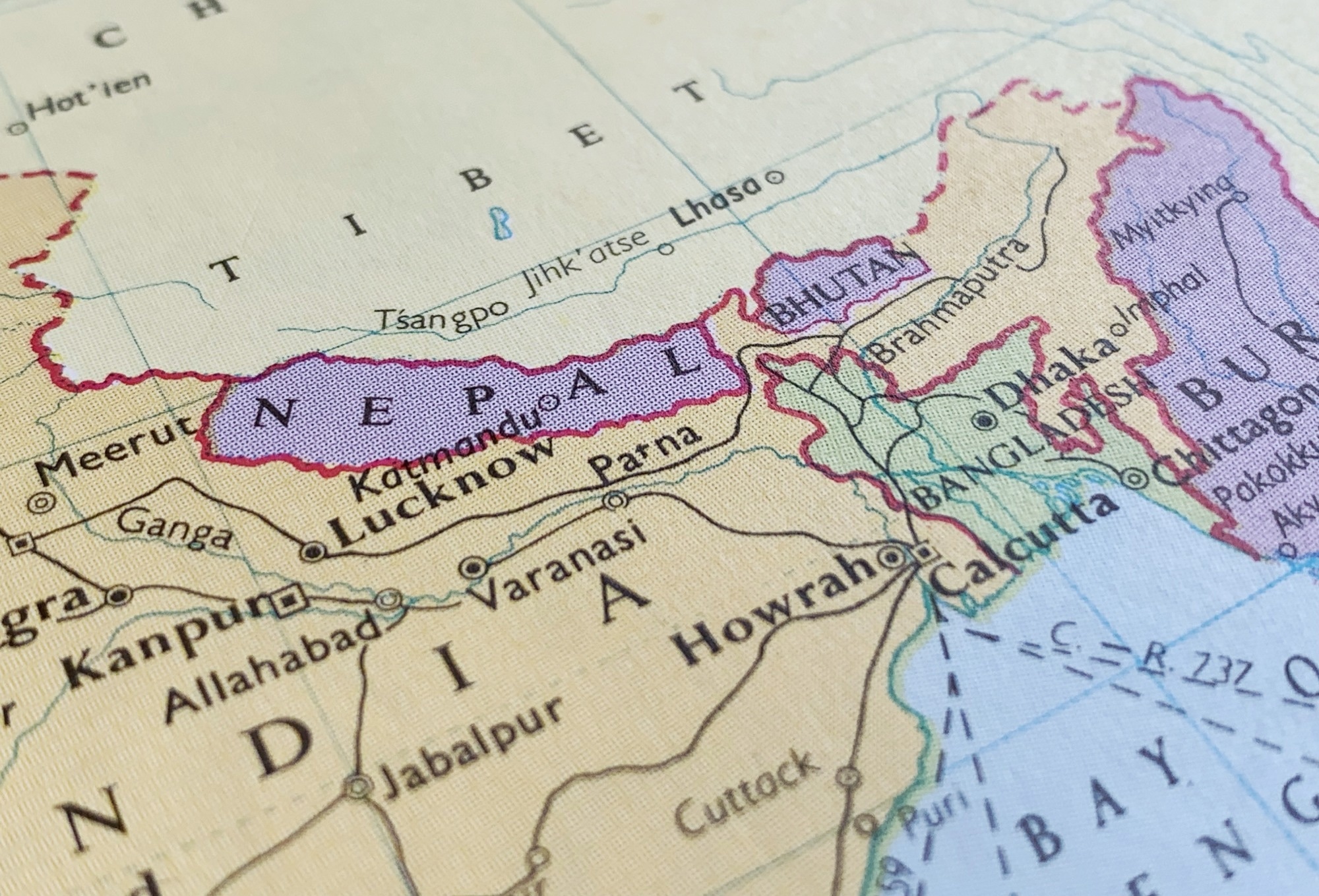
Editorial: Not Every Country Can Absorb a Shock: Unequal Capacity to Withstand World Health Organization Aid Cuts. Image Credit: AustralianCamera / Shutterstock
In a recent perspective published in the journal Public Health Challenges, Nepalese author Animesh Ghimire examined how reductions in external health aid affect vulnerable health systems and proposed governance strategies to minimize disruption.
Declining Global Health Aid and Service Risks
In 2025, the World Health Organization (WHO) warned that external health aid to low- and middle-income countries could fall by up to 40%, raising concerns about the sustainability of essential health services.
Many low- and middle-income countries have immunization, nutrition, and disease control programs that depend heavily on donor support; however, an abrupt funding decline can cause a "shock" to service delivery, supply chains, and workforce stability.
As global funding priorities shift, understanding how systems respond becomes critical. The perspective argues that clearer, fairer transition rules are needed to reduce harm when aid is withdrawn.
Unequal Capacity to Absorb Health System Shocks
Responses to health system funding shocks vary across different countries. In some cases, a country has either sufficient funds or has the infrastructure in place for a robust public services system, such as healthcare. In contrast, many low-income countries are unable to absorb, adapt, or transform in response to funding cuts, so when financial shocks hit them, they experience widespread dislocation and problems across the system.
In practical terms, this means that a single cut in funding can affect medication availability, healthcare, surveillance, and service delivery. This shows how economic shocks are public health crises; they do not occur in isolation; rather, they occur on a continuum and create multiple problems.
Nepal Health System Strain from Aid Withdrawal
Nepal provides a clear example of how aid withdrawal affects multiple health services at once. For years, Nepal relied on the United States Agency for International Development (USAID) to fund basic health services, including nutrition, vaccines, and family planning.
When this support declined in 2025, health facilities reported shortages of contraceptives such as Depo-Provera injections and intrauterine devices. Meanwhile, the price of imported supplies rose due to currency fluctuations, further widening the funding gap. This implied that more people resorted to public facilities that were already under strain.
Nutrition programs were also affected, as child malnutrition and maternal health initiatives that were previously funded faced uncertainty. Although Nepal had reduced child stunting significantly over the past decades, these gains became fragile under funding cuts. Immunization programs that depend on both domestic and international financing have also been impacted, thus jeopardizing efforts to lower child mortality.
These types of interruptions illustrate one common theme: aid withdrawal does not just impact one program; it erodes the entire health care system. The aftereffects of aid withdrawal may include disruptions to vaccine supply, contraceptive access, and maternal care services, with broader consequences for population health.
Afghanistan Health System Collapses Under Funding Cuts
The situation in Afghanistan shows a similar pattern in a more fragile setting, as by March 2025, funding shortages had placed 80% of WHO-supported health facilities at risk of closure by June, with millions potentially losing access to care.
This collapse affected multiple services simultaneously. Primary healthcare clinics shut down, leaving communities without basic treatment for infections and chronic diseases. Nutrition programs are weakened in a country already facing food insecurity. Disease surveillance systems also weakened as WHO-led coordination structures lost staff and logistical support, making it harder to detect outbreaks.
During this period, cases of measles, malaria, and other infectious diseases increased, and without functioning clinics, detecting and responding to them became more difficult. Social factors made things even worse. Restrictions on women’s employment limited access to female healthcare providers. When facilities closed, these barriers intensified, disproportionately affecting women and children.
This perspective highlights the interaction between financial shocks and previously existing vulnerabilities. The withdrawal of assistance causes not only a decline in the level of services but can also rapidly lead to the collapse of the entire system within fragile environments.
Rethinking Health System Resilience Frameworks
While many global health policies focus on "building resilience" by encouraging countries to adapt their systems to funding losses, the reality is that global funding decisions made by international agencies and governments have a significant impact on countries' health outcomes.
In situations where assistance is withdrawn without notice, there will be a group of people who no longer have access to services; this is an ethical dilemma regarding accountability within the global health governance system.
There are foreseeable harms from poorly governed exits, such as missed vaccinations, illnesses left untreated, and reduced continuity of essential care. Understanding how this affects people is critical when trying to create policy.
Transition Discipline Framework for Aid Withdrawal
To address these challenges, “transition discipline” is proposed as a governance framework. It relies on principles like a set grace period, a minimum package of essential services, and a transparent plan.
A grace period allows countries time to manage budgets during funding reductions. A minimum service package protects essential services like vaccines, maternal care, and disease monitoring. A joint transition plan clarifies responsibilities between donors and governments. In real life, this approach could prevent sudden disruptions like vaccine shortages or clinic closures and reduce harm to vulnerable populations.
Implications for Global Health Policy and Governance
The reduction in external health aid exposes critical weaknesses in global health systems, particularly in countries with high donor dependence. The cases of Nepal and Afghanistan show that abrupt funding cuts disrupt multiple services simultaneously, with potentially wide-reaching effects on access to care.
These cases indicate a need to shift away from the current focus on resilience as a narrative and to include the governance of the aid withdrawal process as well. Transition discipline defines a process for transitioning support that provides predictability, transparency, and ethical management of funding reductions.
By developing strong links between funding through donor accountability and planning, global health systems can more effectively protect essential services and reduce avoidable harm during the period of transition from financial assistance.
 World Cup travel and low vaccination fuel Latin American measles outbreaks