A new study suggests that AI-powered retinal imaging may capture systemic aging signals linked to weaker bones, offering a potential low-cost route to identify people who may need formal osteoporosis assessment before fractures occur.
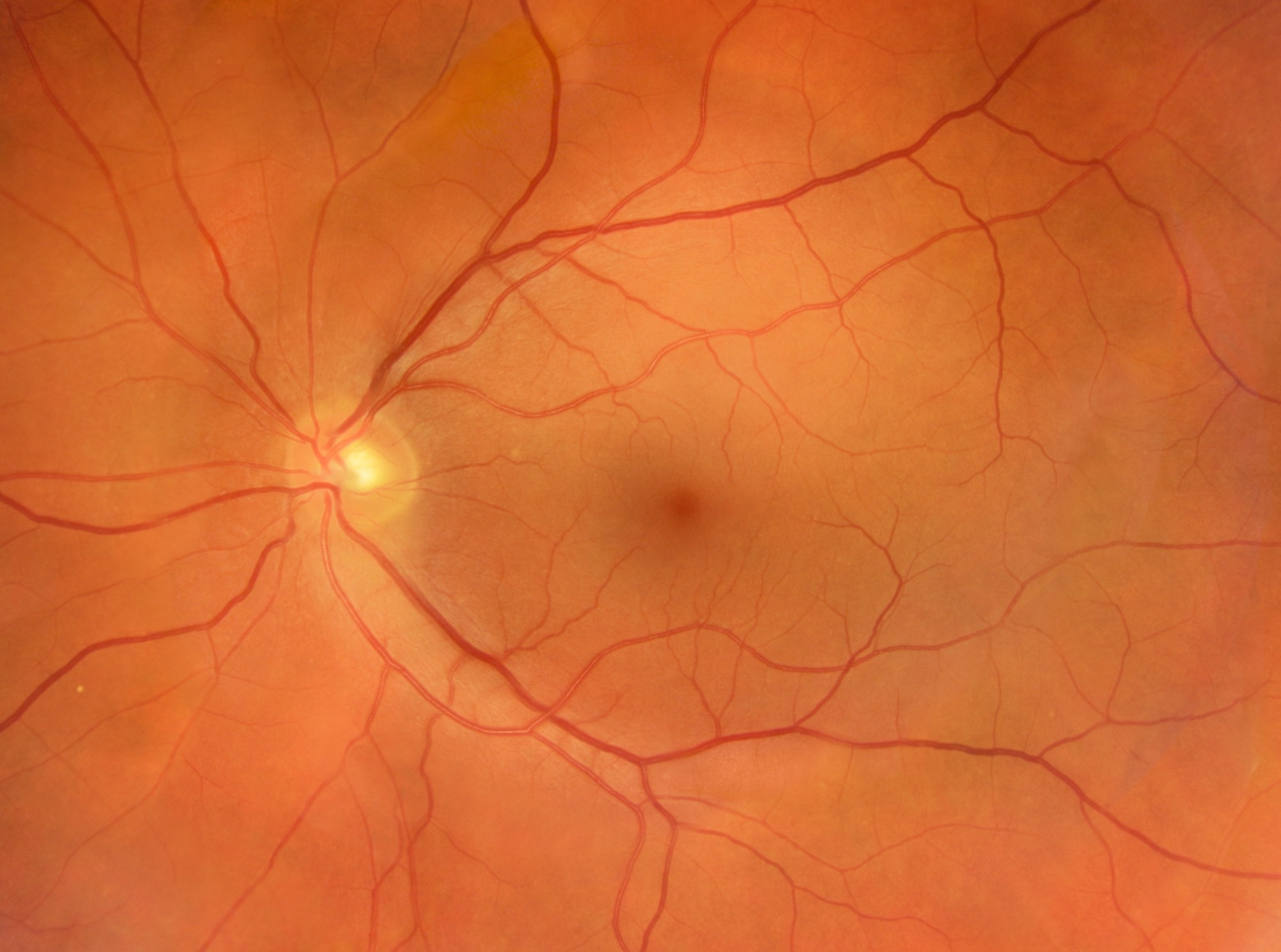
Study: Retinal biological age correlates with bone mineral density and fracture risk score and predicts incident osteoporosis. Image Credit: Steve Bottoms / Shutterstock
In a recent study published in the journal PLOS Digital Health, researchers evaluated whether "RetiAGE," an AI-derived probability score, could help address limitations in current osteoporosis risk-screening approaches. This model uses estimates of retinal biological age as a potential marker of systemic skeletal health.
The model was subsequently used to predict skeletal health in two large, ethnically distinct cohorts: the Singaporean PIONEER study (n = 1,965) and the UK Biobank (n = 43,938). Model output indicated that older retinal biological age is inversely associated with bone mineral density (BMD) and independently predicts incident osteoporosis.
These findings posit RetiAGE as a non-invasive, low-cost candidate for "opportunistic" screening, in which a routine visit to the optometrist could eventually double as an early-warning system for bone health, helping identify people who may warrant formal osteoporosis assessment before a fracture occurs.
Retinal Aging and Osteoporosis Background
Osteoporosis is a systemic skeletal disease characterized by progressively thinning bone tissue, deterioration of bone microarchitecture, a systemic decrease in bone mass, and an escalating risk of life-threatening fractures. Current public health records indicate that osteoporosis affects approximately 19.7% of the global population. However, researchers believe this value might be a severe underestimate of the condition's true prevalence.
The clinical "gold standard" for diagnosis is the precise estimation of bone mineral density (BMD) using Dual-energy X-ray Absorptiometry (DEXA). However, DEXA screening is often restricted to high-risk individuals due to its high cost, limited accessibility, low-dose radiation exposure, and need for specialized equipment and personnel. Scientists posit that this leads to a significant diagnostic gap, in which many patients only discover the condition after a sentinel fracture, while many others remain symptomatically “silent”.
Consequently, a growing number of studies aim to identify alternative, low-cost, and highly accessible screening tools, of which the retina is a strong candidate. The retinal fundus is the only site where microvasculature and neural tissue can be imaged directly and non-invasively. Prior research has linked retinal aging gaps to cardiovascular disease (CVD), Parkinson’s disease (PD), and chronic kidney disease (CKD).
RetiAGE Osteoporosis Study Design
The present study aimed to investigate whether shared biological processes link retinal degeneration with skeletal bone loss, thereby allowing non-invasive evaluation of the former to serve as a predictive proxy for the latter’s systemic state, biological age. Biological aging is a heterogeneous process that captures cellular or tissue degeneration and often deviates from an individual’s chronological, or calendar, age.
The research employed a deep-learning model to derive RetiAGE, a continuous probability score that estimates the likelihood that an individual is biologically older than 65 years. The model was developed using the Visual Geometry Group (VGG16) convolutional neural network (CNN) architecture, trained on 129,236 retinal images from 40,480 participants.
Following model training, RetiAGE was used to analyze data from two distinct populations: cross-sectional data from the PopulatION HEalth and Eye Disease PRofilE in Elderly Singaporeans (PIONEER) study (n = 1,965; mean age = 72.5) and prospective data from the UK Biobank (n = 43,938 participants without baseline osteoporosis; mean age = 56.2; mean follow-up = 12.2 years).
The study’s main outcomes included BMD T-scores and 10-year fracture risk scores calculated via the Fracture Risk Assessment Tool (FRAX). The study also performed a genome-wide association study (GWAS) on 45,496 participants to identify genetic drivers of RetiAGE.
Retinal Age and Bone Health Findings
RetiAGE results indicate that the higher an individual’s retinal biological age score, relative to chronological and clinical risk factors, the weaker their bones tended to be.
In the Singaporean PIONEER study, an elevated RetiAGE score was inversely associated with BMD and T-scores across several femoral and hip regions, with several associations remaining significant after adjustment for osteoporosis risk factors. Furthermore, for every standard deviation (SD) increase in retinal age, the risk score for major osteoporotic fractures rose by 0.48, and hip fractures by 0.29.
In the longitudinal UK Biobank cohort, participants with higher retinal ages were significantly more likely to develop osteoporosis over the next decade, with a hazard ratio (HR) of 1.12 per SD (p < 0.001). When the data were divided into quartiles, those in the highest retinal age group depicted a 40% higher risk of osteoporosis than those in the lowest quartile (p = 0.003).
Furthermore, adding RetiAGE to the traditional Osteoporosis Self-assessment Tool (OST) significantly improved diagnostic performance. The Concordance index (C-index) increased from 0.585 to 0.635, and the Net Reclassification Index (NRI) at 10 years was 2.5%.
AI Retinal Screening Clinical Implications
This study demonstrates that accelerated retinal biological aging is an independent risk marker for reduced bone mineral density and incident osteoporosis across multiple ethnicities. These findings suggest that retinal imaging may offer a scalable, low-cost, and non-invasive method for opportunistic screening for osteoporosis risk in eye-care or primary-care settings, pending further validation.
While DEXA remains the diagnostic standard, AI-driven retinal markers, such as RetiAGE, capture unique systemic aging signals, providing incremental prognostic value beyond traditional demographic risk factors. However, the authors note that RetiAGE was originally developed in a Korean population, was applied without population-specific retraining, and may require further calibration across imaging devices, ethnic groups, and real-world clinical workflows before routine use.
Download your PDF copy by clicking here.
 Study identifies new waste clearance system in the eye