A nationwide study of more than 21,000 users found that NHS England’s Healthy Living platform was linked to better diabetes outcomes after one year, though researchers say boosting engagement and widening access remain key challenges.
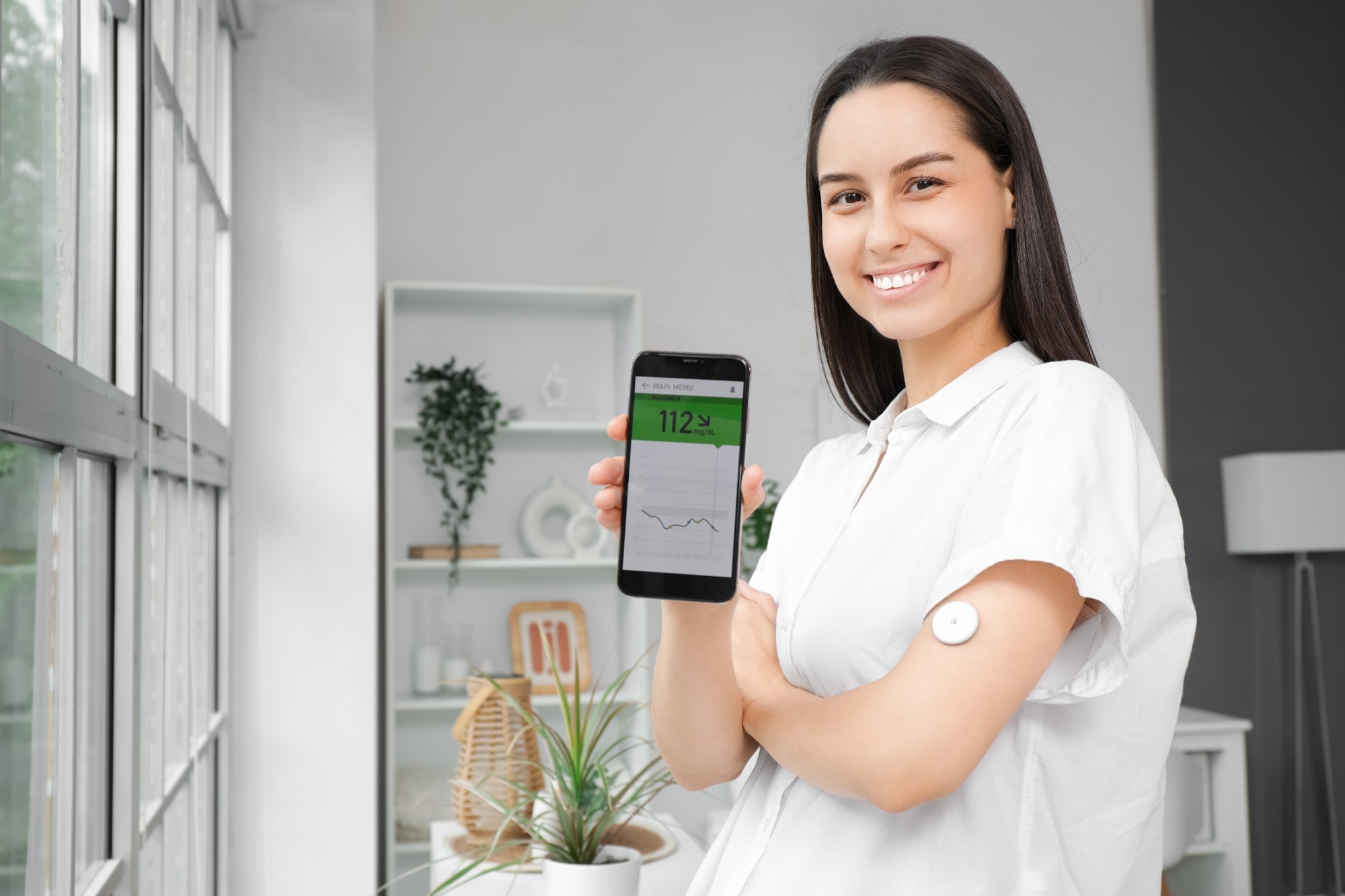 Study: Examining the uptake, retention, and effectiveness of a national online type 2 diabetes self-management intervention in England (Healthy Living): A retrospective cohort study. Image credit: Pixel-Shot/Shutterstock.com
A recent retrospective cohort study found that the National Health Service (NHS) England's Healthy Living program for diabetes self-management is associated with modest health benefits for enrolled patients. The study was published in the journal PLOS One.
NHS builds on HeLP-Diabetes success
Type 2 diabetes (T2D) is a common non-communicable disease (NCD), and its prevalence is rapidly increasing. It is linked to multiple serious complications, including death. Its healthcare costs are also in the billions of pounds in the UK alone.
A self-management approach is associated with better health outcomes. This includes measures such as healthy eating, physical exercise, stress management, regular monitoring, and proper use of prescribed medications. In the UK, the National Institute for Health and Care Excellence (NICE) recommends structured diabetes self-management education programs, including the Diabetes Education and Self-Management for Ongoing and Newly Diagnosed (DESMOND) program.
Digital alternatives could extend the reach of such initiatives and reduce health inequalities. Accordingly, the NHS first introduced HeLP-Diabetes, a web-based program for patients who were referred by general practitioners, and provided a discussion forum. Based on its effectiveness in lowering HbA1c at one year compared with patients receiving usual care, it was followed by the Healthy Living program.
Its full name is Healthy Living for People with Type 2 diabetes (Healthy Living). This online program is focused on Diabetes Self-Management Education and Support (DSMES). Unlike HeLP-Diabetes, Healthy Living is a packaged program with a website that provides extensive educational material divided into:
- The Learn journey section – several modules forming a structured curriculum
- The Find Answers section – various diabetes-related topics without any particular arrangement
- The Tools section – Goals and Tracker tools of various kinds, derived from the HeLP-Diabetes website.
The current study sought to understand the program’s reach, participant engagement, and effectiveness in terms of its association with changes in clinical outcomes at one year.
Thousands joined, but few completed modules
The researchers found that 21,820 people with T2D activated a Healthy Living account. However, only 5% reached the program’s completion threshold, defined as accessing 60% of the Learn Journey within nine months, with most not getting beyond the first part of the first section.
Compared to controls (non-activators), users of this program were more likely to be female; twice as likely to be from the least deprived areas compared to the most deprived, more than twice as likely to be on a non-insulin medication; 65% less likely to be Asian and 44% less likely to be Black than White; and 50% less likely to be current smokers compared to never-smokers.
These differences persisted between those who attended Healthy Living and those who did not, and between those who completed the program and non-completers. The median time spent on the website was seven minutes.
Healthy Living linked to modest clinical gains
The findings showed that at one year, activators had lower glycated hemoglobin (HbA1c), a reduced body mass index (BMI), lower systolic and diastolic blood pressure (BP), and a higher likelihood of completing all eight recommended diabetes care processes. Its use was not associated with any change in insulin use.
A reduction in HbA1c by 3-5 mmol/mol is considered the threshold for clinical significance. The mean reduction in HbA1c in this study was 1.3 mmol/mol, compared to a matched set of controls from the National Diabetes Audit (NDA) database. This corresponds to a 0.1% reduction in Diabetes Control and Complications Trial (DCCT) units.
Similarly, the Healthy Living participants had a BMI reduction of 0.2 kg/m2 on average, a drop in systolic blood pressure of 1.2 mm Hg, and a drop in diastolic blood pressure of 0.6 mm Hg, compared to controls. They were 60% more likely to complete diabetes care processes than controls.
The reduction in HbA1c was smaller with this approach than the mean reduction of 2.6 mmol/mol reported with HeLP-Diabetes. Systolic blood pressure reductions were also smaller. However, reductions in diastolic blood pressure and BMI, and completion of care processes, were higher among Healthy Living participants.
The larger decreases in HbA1c reported with other DSMES interventions might be due to more intensive or personalized input and support, as well as reminders for self-care. The authors suggest that even at this small magnitude, the reduction in HbA1c might be clinically meaningful at the population level, with fewer vascular complications.
Real-world data reveal program performance
These results come from a real-world population using a free online DSMES program and evaluating a range of outcomes. The large real-world NDA and Healthy Living datasets, coupled with robust analytic methods, helped address potential confounding, though residual confounding could still be present.
However, the study still has some limitations. The follow-up period was only one year, which is less than the required duration to assess long-term benefit. The Healthy Living sample for effectiveness analyses was only 25% of the total cohort to match the data coverage period with that of the NDA. The coronavirus disease 2019 (COVID-19) pandemic hindered the timely and widespread uptake of the program by limiting general practice visits and referrals in the first few months.
The effects of medication changes were not addressed. Diabetes complications were not measured.
Stronger engagement may unlock larger improvements
Overall, the findings suggest that at one year, the Healthy Living program was associated with modest improvements in certain diabetes-related clinical outcomes, particularly among those with higher adherence. At the population level, this could potentially contribute to small but significant reductions in micro- and macro-vascular complications of diabetes. It could also reduce workload at the primary care level by helping patients access information about their condition and its management.
Increased long-term engagement and equitable access are areas of focus to improve the program’s public health impact.
Download your PDF copy now!
 Could eating whey protein before meals help reduce blood sugar spikes?