A new in vitro study suggests selected botanical extracts may suppress skin-associated pathogens while supporting a beneficial commensal, pointing to a cautious but promising path for microbiome-targeted skincare.
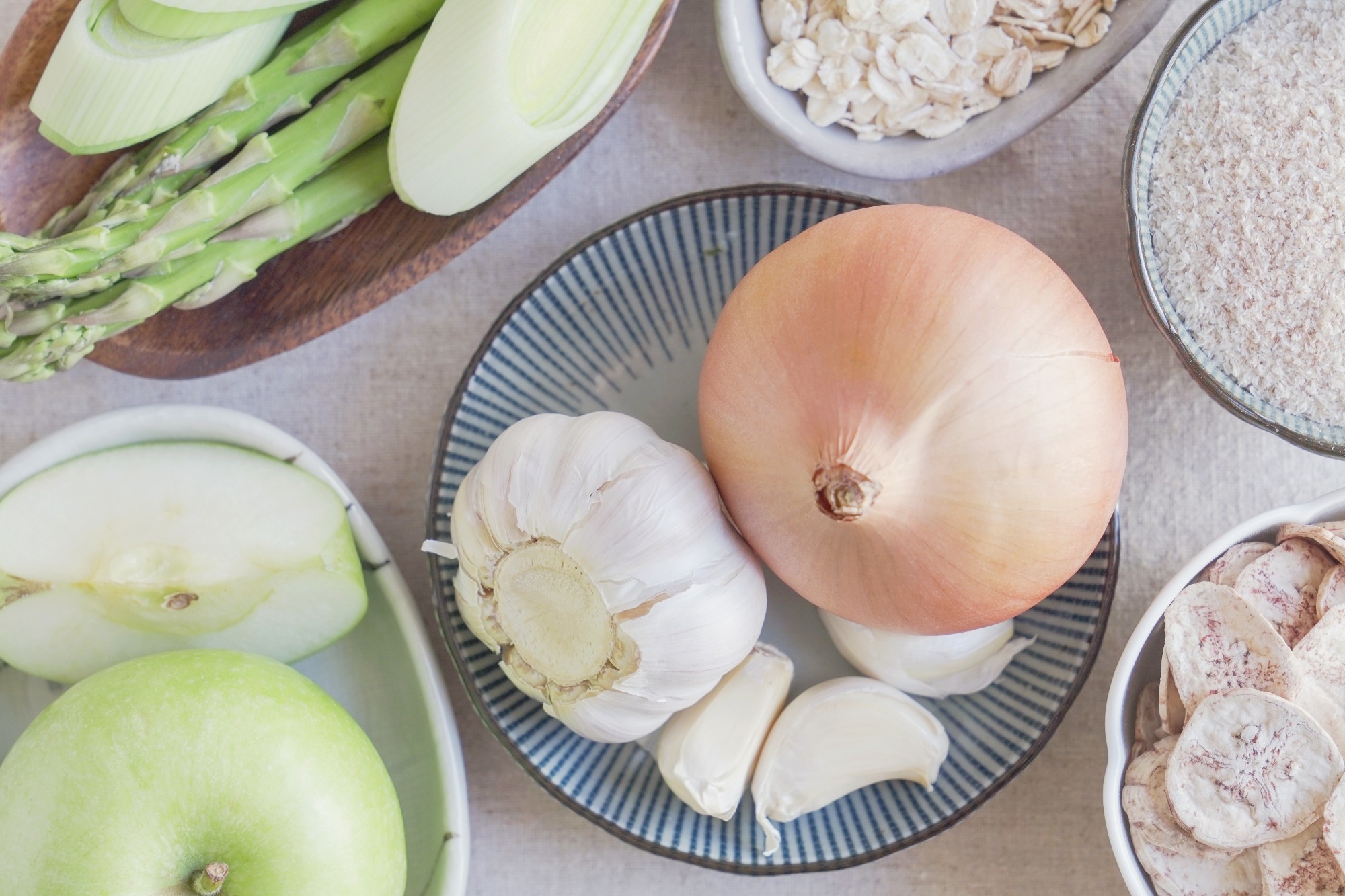
Study: Plant-based prebiotics to modulate skin microbiota: a novel approach for next-generation cosmeceuticals. Image Credit: SewCreamStudio / Shutterstock
In a recent article-in-press in the journal Scientific Reports, researchers report in vitro evidence for a novel ecological strategy for skincare that leverages plant-derived prebiotic candidates to modulate selected skin-associated bacteria in microbiome-targeted formulations.
Unlike conventional antibiotics, which can indiscriminately affect bacteria (resulting in the loss of beneficial microbiome species), the study suggested that specific extracts were effective in suppressing potentially harmful or disease-associated bacteria such as Staphylococcus aureus and acne-associated Cutibacterium acnes while modestly promoting the growth of the beneficial S. epidermidis.
The authors present this dual-action approach as a potential microbiome-friendly strategy that could complement or reduce reliance on broad-spectrum antimicrobials, thereby laying a scientific foundation for next-generation cosmeceuticals that aim to restore cutaneous equilibrium through ecologically informed natural microbial competition.
Want to read later? Download your PDF copy by clicking here.
Background
Decades of dermatological research have established that human skin is a complex ecosystem that harbors approximately 1 million bacteria per square centimeter (cm2). This natural bacterial load is now known to represent an intricate microbiome that has been previously shown to be vital for maintaining the skin barrier and modulating immunity.
Conversely, when this balance is disrupted (“dysbiosis”), the alteration in beneficial bacterial richness can favor the expansion of potentially pathogenic or disease-associated microbes, most commonly Staphylococcus aureus (which can cause skin and soft-tissue infections) and Cutibacterium acnes (a commensal bacterium implicated in acne vulgaris).
Given the wide prevalence of these skin diseases, acne vulgaris is estimated to affect 85% of adolescents and is associated with severe psychological distress in this subpopulation. As a result, topical and systemic treatments are frequently used, including both prescribed and self-selected products.
Current therapies include broad-spectrum topical or systemic antibiotics, retinoids, anti-inflammatory medications, and other antimicrobial agents, which may indiscriminately kill both beneficial and harmful microbes. Antibiotic exposure can disrupt beneficial skin microbiota and has also been shown to contribute to the global challenge of antimicrobial resistance.
For example, methicillin-resistant S. aureus (MRSA) is now reported to cause nearly 46% of staphylococcal skin infections in certain regions. Consequently, recent dermatological research is shifting its focus from broad-spectrum microbial suppression toward ecological restoration using prebiotics, specifically those that promote the growth and recovery of host microorganisms.
About the study
The present study aimed to explore the practicality of this relatively novel approach and inform future research in the field by evaluating the prebiotic potential of eight traditional botanical extracts against key skin bacteria. The study tested the efficacy of these extracts on laboratory cultures of beneficial S. epidermidis, alongside pathogenic S. aureus and C. acnes.
Botanical extracts under investigation were isolated from their respective plants, including Allium cepa (onion), A. sativum (garlic), Linum usitatissimum (flaxseed), Tinospora cordifolia (guduchi), and Curcuma amada (mango ginger), along with Brassica oleracea, Withania somnifera, Emblica officinalis, and Terminalia chebula, using methanolic and petroleum ether extraction protocols, with methanolic extracts emphasized for the desired microbiome-modulating effects.
The study’s experimental design tracked bacterial growth kinetics across assay-specific time points ranging from 15 minutes to 48 hours after the introduction of the extracts into the bacterial cultures. The physical effects of the extracts on the bacterial populations were observed using Field Emission Gun-Scanning Electron Microscopy (FEG-SEM) to capture high-resolution imagery of any cell membrane alterations.
Furthermore, Gas Chromatography-Mass Spectrometry (GC-MS) was used for phytochemical and bacterial metabolomic profiling, thereby enabling the identification of secondary metabolites and bioactive compounds secreted during bacterial fermentation.
Finally, the study provided preliminary in vitro antioxidant and cytocompatibility data by conducting a 2,2-diphenyl-1-picrylhydrazyl (DPPH) scavenging assay to estimate the antioxidant capacity of the botanical extracts under investigation, and a 3-(4,5-dimethylthiazol-2-yl)-2,5-diphenyltetrazolium bromide (MTT) assay to evaluate cytotoxicity on HaCaT human keratinocyte cells in vitro.
Study findings
The study’s analyses supported a potential dual-action performance of botanical extracts, demonstrating that these extracts could modestly promote the commensal strain tested while suppressing the growth of potentially harmful or disease-associated bacteria. Flaxseed and garlic extracts were observed to completely inhibit S. aureus growth within 6 hours of incubation.
Similarly, the addition of mango ginger extract to the C. acnes culture resulted in a nearly complete, 99.9% reduction in viable cells within 15 minutes of incubation (concentration = 0.625 mg/mL).
Onion and guduchi extracts were found to support the growth and proliferation of beneficial S. epidermidis cultures, with onion extract producing the highest increase, 4% at 24 hours (onion extract concentration = 0.625 mg/mL), while guduchi leaf and stem extracts produced smaller increases of about 1% and 2%, respectively.
Ultrastructural analysis by FEG-SEM was consistent with membrane damage, demonstrating that flaxseed and guduchi leaf extracts induced cell shrinkage and lysis in S. aureus, whereas other extracts induced swelling, wall disruption, membrane perforation, or envelope damage in the tested bacterial strains.
Finally, preliminary MTT assay-derived safety evaluations revealed that 10-fold lower concentrations of onion and guduchi stem left human skin cells with no observed cytotoxicity under the tested in vitro conditions. GC-MS profiling revealed that onion-stimulated S. epidermidis cultures showed elevated levels of butyric and succinic acids, short-chain fatty acids (SCFAs) reported to inhibit S. aureus and pathogenic C. acnes phylotypes.
Conclusions
The present study provides early in vitro evidence supporting the benefits of microbiome-targeted skincare formulations as a possible complement to conventional broad-spectrum antibiotics and antimicrobials. These in vitro findings indicate that botanical prebiotics may help inform future approaches to skin dysbiosis by modulating natural ecological competition.
Future research should aim to investigate the optimal methods for translating these botanical formulations into more complex skin models and, eventually, into human clinical trials, thereby enabling safe dosing and precision interventions.
Journal reference:
- Gourh, K. A., & Kelkar Mane, V. (2026). Plant-based prebiotics to modulate skin microbiota: a novel approach for next-generation cosmeceuticals. Scientific Reports, Article in Press. DOI: 10.1038/s41598-026-58189-4. https://www.nature.com/articles/s41598-026-58189-4
 What happens to blood pressure during extreme heat? A 4.2 million-visit study offers a clue