From microbial metabolites and intestinal barriers to immune signaling and the brain, researchers map the complex biological pathways that could link what we eat to how cognition changes with age.
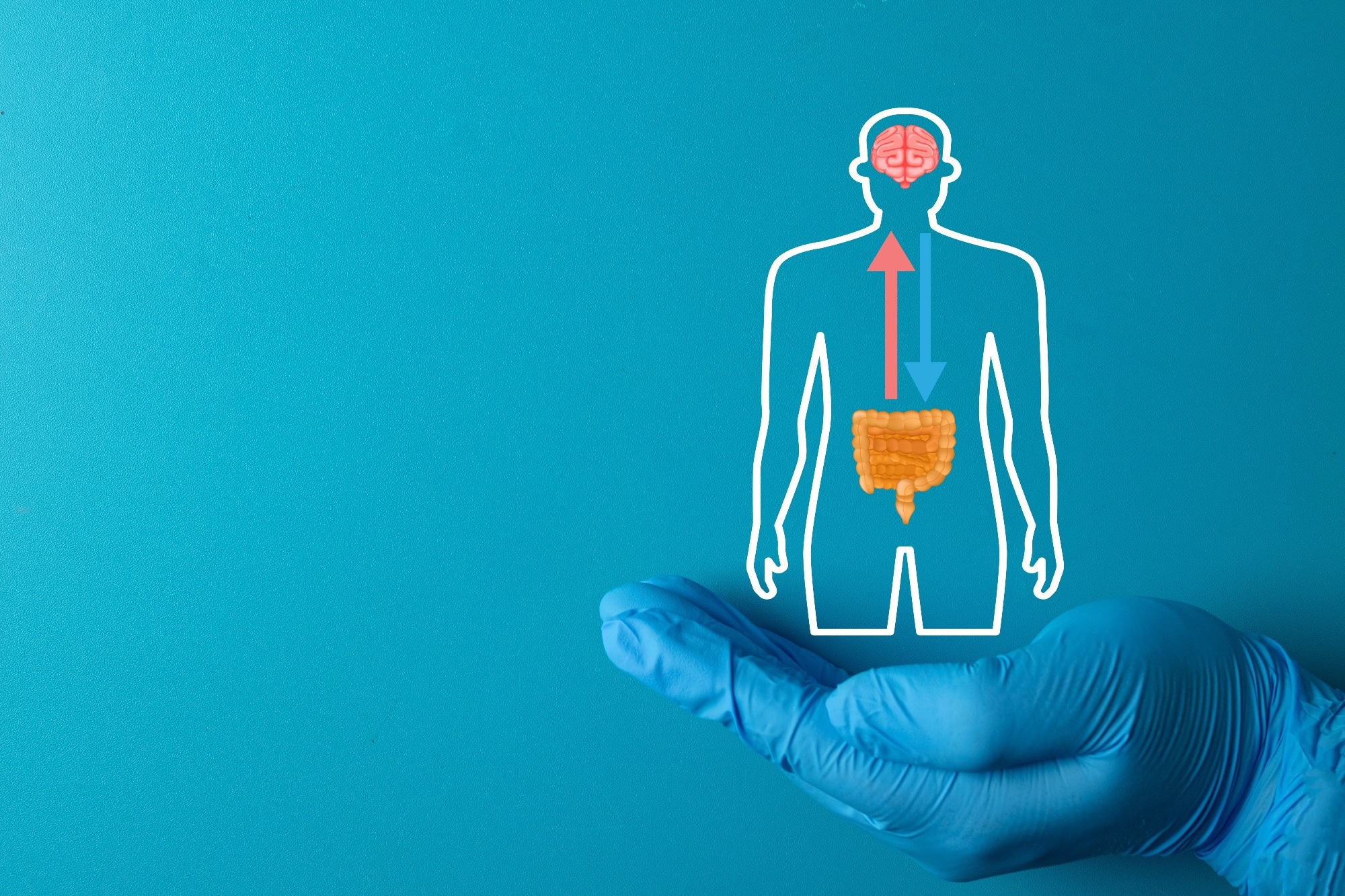
Review: Diet–gut microbiota–immune–brain interactions in aging: mechanistic pathways and clinical implications. Image Credit: Toey Andante / Shutterstock
In a recent review published in the journal Frontiers in Molecular Neuroscience, researchers synthesized evidence on how diet-driven changes in the gut microbiota and microbial metabolites interact with immune and neurobiological pathways relevant to cognitive aging.
Background
In 2020, more than 55 million people were living with dementia, and by 2050, it is estimated to hit nearly 139 million. With aging populations, preserving cognitive health has become an increasingly important public health priority.
The gut microbiota is increasingly recognized as a metabolically active ecosystem that can influence the brain through neural, endocrine, immune, and metabolic pathways. Diet can alter the gut microbiota, thereby affecting microbial metabolites, intestinal barrier function, inflammation, and neurobiology. These processes have been linked to cognitive aging, although substantial uncertainties remain.
Aging-related gut microbiota remodeling
Aging contributes to changes in the gut microbial ecosystem through physiological changes, immune remodeling, lifestyle, dietary habits, and drug use. Changes in microbial composition and function may affect intestinal barrier integrity, immune regulation, and gut-brain communication.
Reduced diversity is most consistently reported among frail, institutionalized, and medically compromised older adults, whereas healthy aging tends to preserve diversity and foster individualized microbial communities.
Declines in butyrate-producing Faecalibacterium and Roseburia, together with Bifidobacterium, have been reported, while frailty and multimorbidity are associated with opportunistic and potentially pro-inflammatory microorganisms.
Microbial metabolism, barrier function, and inflammation
Age-related remodeling also affects microbial metabolic capacity. Reduced metabolic flexibility and altered butyrate-producing pathways may impair intestinal homeostasis, immune regulation, and gut–brain communication.
Short-chain fatty acids (SCFAs), particularly butyrate, support intestinal homeostasis, epithelial barrier integrity, and immune regulation. However, direct evidence that reduced butyrate availability is a primary driver of age-related intestinal permeability in humans remains limited.
Experimental evidence suggests that reduced production of beneficial metabolites may compromise the intestinal barrier and increase susceptibility to chronic low-grade inflammation, known as inflammaging.
Leaky gut may allow microbial products, such as lipopolysaccharide (LPS), to enter the systemic circulation and activate Toll-like receptor 4 (TLR4), thereby promoting the production of inflammatory cytokines, including interleukin-6 (IL-6) and tumor necrosis factor-alpha (TNF-α).
Dietary pathways and microbial metabolites
Diet is an upstream influence on microbial composition and function. Many dietary fibers reach the colon and support Bifidobacterium, Lactobacillus, and butyrate-producing taxa in Lachnospiraceae and Ruminococcaceae.
Polyphenols, which are present in fruits, berries, cocoa, and tea, are transformed by intestinal microbes, while polyphenol-rich foods can selectively support the growth of beneficial microorganisms like Akkermansia muciniphila.
In contrast, Western diets rich in saturated fats have been associated with reduced microbial diversity and expansion of pro-inflammatory species such as Bilophila wadsworthia, intestinal barrier disruption, and metabolic endotoxemia.
Unsaturated fats, particularly omega-3 polyunsaturated fatty acids (PUFAs), have been associated with beneficial shifts in the microbiome and reduced inflammatory responses.
Microbial metabolites provide molecular links between diet and brain function. SCFAs interact with G protein-coupled receptors (GPCRs) such as GPR41 and GPR43. Butyrate inhibits histone deacetylase (HDAC) and may influence pathways that involve brain-derived neurotrophic factor (BDNF).
Tryptophan is metabolized through host-controlled kynurenine and serotonin pathways, while gut microbes convert some dietary tryptophan into indole derivatives. Indole-3-aldehyde (IAld), indole-3-propionic acid (IPA), and indole-3-acetic acid (IAA) act through receptors, including the aryl hydrocarbon receptor (AhR) and the pregnane X receptor (PXR), thereby supporting mucosal and immune signaling.
Bile acids are also modified by microbes into secondary bile acids and signal through the farnesoid X receptor (FXR) and Takeda G protein-coupled receptor 5 (TGR5), linking microbial activity with metabolic, immune, and neurophysiological processes. Of these pathways, SCFAs currently have the strongest mechanistic and translational evidence, whereas direct evidence linking tryptophan-derived metabolites and bile acid signaling to cognitive outcomes in humans remains less developed.
Gut-brain and immune signaling
The gut–brain axis communicates through neural, endocrine, immune, and metabolic pathways. The vagus nerve provides a neural route for gut-derived signals to reach brain circuits via enteroendocrine cells and vagal afferents.
Experimental studies indicate that microbial metabolites can influence neurotransmitter-related pathways, microglial maturation, neuroinflammation, synaptic plasticity, and blood–brain barrier (BBB) integrity.
Germ-free mice exhibit increased BBB permeability and reduced tight junction protein levels, whereas colonization restores barrier integrity. Much of this mechanistic evidence remains preclinical, and comparable causal relationships in humans have not been established.
Experimental findings indicate greater age-related vulnerability: aged animals show more extensive alpha-synuclein gut-to-brain pathology, while microbiota manipulation affects motor deficits and neuroinflammation.
In Alzheimer’s disease models, transfer of healthy microbiota has reduced amyloid and tau pathology and cognitive impairment, although evidence remains largely preclinical.
Clinical evidence and future research
Observational studies associate Mediterranean and Mediterranean–DASH Intervention for Neurodegenerative Delay (MIND) dietary patterns with slower cognitive decline, but causal inference remains limited. Whether these associations are mediated specifically through the microbiome also remains uncertain.
Randomized trials have produced mixed results: the Prevención con Dieta Mediterránea (PREDIMED) study reported improvements in composite cognitive scores, although effects were not consistent across individual cognitive domains and interpretation was limited by aspects of the study design, whereas a 3-year MIND trial found no significant differences in cognition or brain magnetic resonance imaging (MRI) outcomes.
Probiotic and prebiotic trials similarly produced heterogeneous findings, often limited to selected cognitive, stress-related, or affective outcomes. Evidence is limited by methodological differences, short intervention durations, microbiome variability, and a scarcity of longitudinal studies.
Future research should integrate multi-omics measurements, neuroimaging, and microbiome-stratified designs to strengthen causal inference, clarify responder patterns, and examine sex-specific influences.
Conclusions
The review concludes that the gut microbiota links diet with brain function through metabolic, immune, neural, endocrine, and barrier-related pathways. SCFAs, tryptophan-derived metabolites, and bile acids are important signaling mediators, while aging-related microbial remodeling, reduced metabolic capacity, impaired intestinal barrier integrity, and inflammaging may increase vulnerability to neurodegenerative processes. Dietary patterns associated with microbial diversity have been linked to more favorable cognitive trajectories, but intervention findings remain inconsistent.
The authors emphasize that human evidence is largely associative and that clinical translation requires longitudinal, microbiome-stratified research, repeated multi-omics measurements, standardized cognitive assessments, and stronger approaches to evaluating causality.
 Study finds both the liver and brain drive distinct symptoms of rare genetic epilepsy