A sea slug and its sponge prey have revealed a rare cancer-fighting molecule with an unusual six-ring structure, offering fresh clues for how marine chemistry could inspire more stable anticancer drug scaffolds.
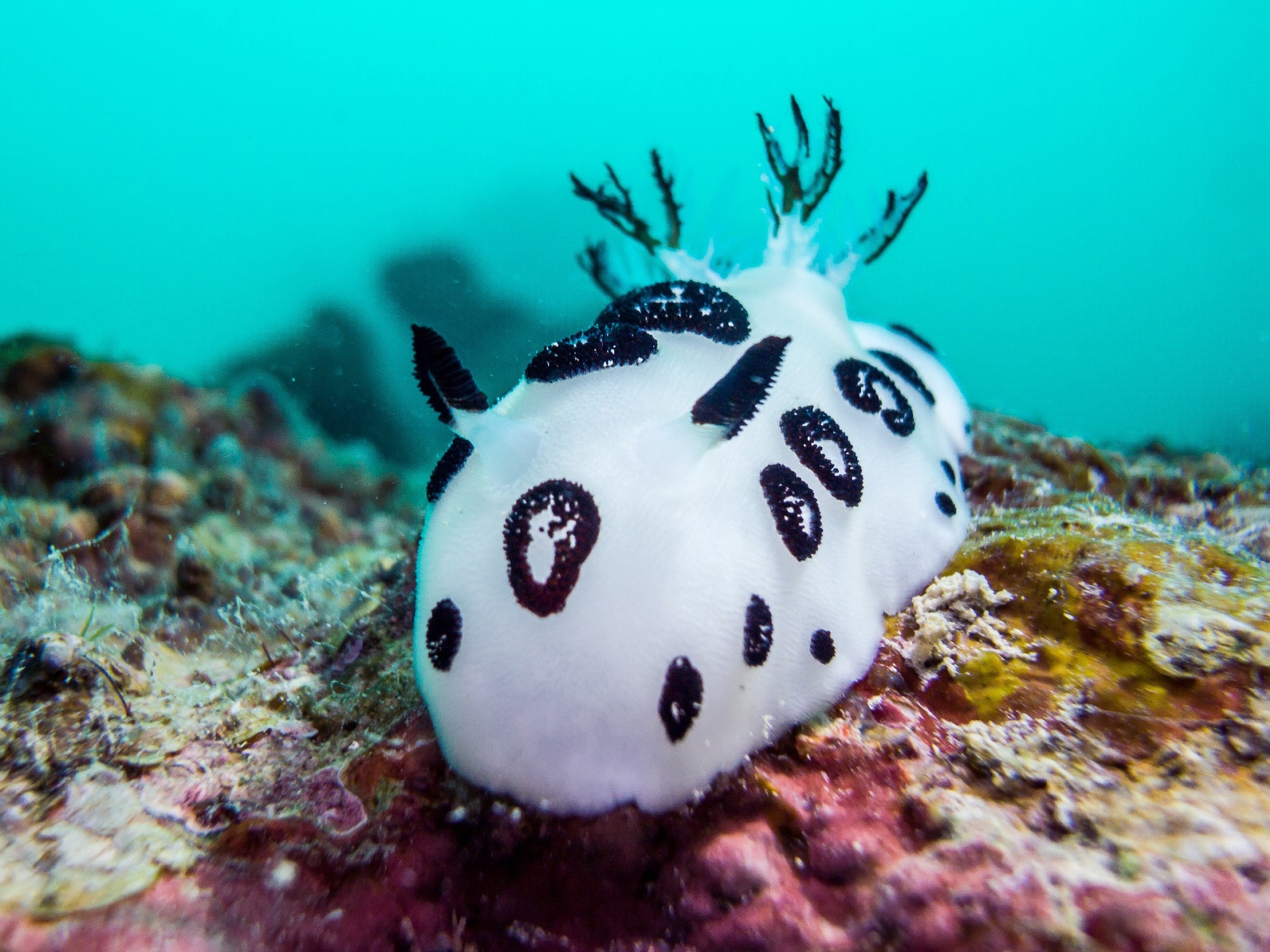
Dotted nudibranch (Jorunna funebris) Study: Jorumycidine, a hexacyclic bis-tetrahydroisoquinoline alkaloid from marine symbiosis reveals new biosynthetic logic for anticancer design. Image Credit: tank200bar / Shutterstock
In a recent study published in the journal Communications Chemistry, a group of researchers identified, characterized, and investigated the biosynthesis of a novel marine-derived alkaloid, jorumycidine, and assessed its anticancer potential.
Marine Natural Products and Drug Discovery Background
Did you know that many anticancer drugs are inspired by natural compounds? New drug candidates are being identified in marine environments, particularly through symbiotic relationships among oceanic species.
The variety of chemical molecules produced by both marine mollusks and their symbiotic microbes provides them with chemical defense against predators and environmental stresses. Among the molecules produced, bis-tetrahydroisoquinoline alkaloids have been identified as highly active against cancer cells; however, little is known about the mechanisms underlying their biosynthesis or the generation of their diverse structures.
An understanding of these biosynthetic and structural processes may result in the identification of more stable and effective drug candidates. Thus, further investigation into the biosynthetic pathways of these drugs and their potential therapeutic uses is needed.
Jorumycidine Study Design and Methods
The study was conducted using specimens of the marine mollusk Jorunna funebris and its associated sponge Haliclona species, collected from Koh Tao Island in southern Thailand, in the Gulf of Thailand.
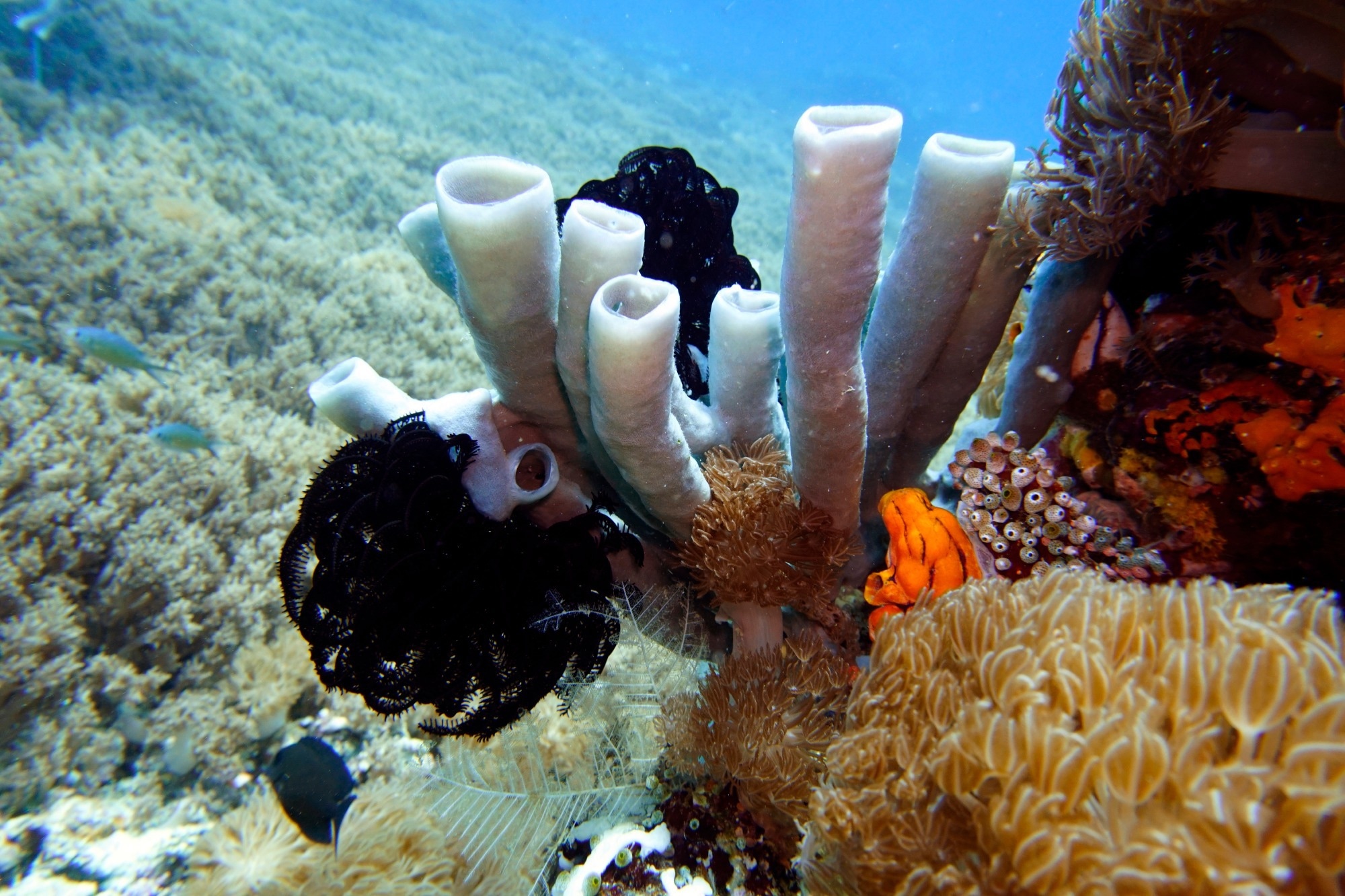
Blue-grey tube sponge (Haliclona fascigera). Image Credit: Bildagentur Zoonar GmbH / Shutterstock
The isolated compounds from these samples were then processed using organic solvent extraction, followed by purification using silica gel chromatography and reverse-phase high-performance liquid chromatography.
Nuclear magnetic resonance spectroscopy and high-resolution mass spectrometry were then used to characterize the compounds, and their molecular composition and structural features were determined using data from both techniques.
To investigate metabolite distribution, liquid chromatography-mass spectrometry coupled with tandem mass spectrometry was employed using diagnostic fragmentation filtering. This enabled the identification and comparison of related compounds across both organisms.
Bioinformatic analyses were conducted to examine the renieramycin biosynthetic gene cluster using sequence alignment tools and phylogenetic methods to identify functional enzyme domains.
The structures of the compounds were determined by nuclear Overhauser effect spectroscopy, electronic circular dichroism (ECD), and computational modeling. The compounds were tested for cytotoxicity against human melanoma, breast cancer, and multiple myeloma cells.
Cell viability for each of the compounds was determined utilizing standard assays (for example, sulforhodamine B and 3-(4,5-dimethylthiazol-2-yl)-5-(3-carboxymethoxyphenyl)-2-(4-sulfophenyl)-2H-tetrazolium (MTS) assays), from which half-maximal inhibitory concentration (IC50) values for each compound were calculated. All experiments were done in triplicate to ensure reproducibility and accuracy.
Jorumycidine Structure and Biosynthesis Findings
The study identified a novel compound named jorumycidine, a bis-tetrahydroisoquinoline alkaloid with an unprecedented hexacyclic structure. Unlike previously known compounds in this class, jorumycidine contains an additional oxazolidine ring, making it structurally unique.
Spectroscopic and mass spectrometric analyses confirmed its molecular composition and revealed features consistent with two quinone rings and multiple functional groups critical for biological activity.
Through a comparative metabolomic analysis, it was found that the mollusk and the sponge shared metabolites that were differentially distributed. The sponge produced mainly renieramycin derivatives and also contained jorumycidine, whereas the mollusk contained derivatives of both renieramycin and jorumycin.
Additionally, this pattern is consistent with the possibility that a metabolic relay occurred between the two organisms and that compounds ingested by the mollusk from the sponge were further chemically or enzymatically modified in its tissues. However, the study did not directly demonstrate this enzymatic transformation, and alternative explanations could not be ruled out. Consistent with the sponge being its likely source, jorumycidine was shown to be present in both organisms.
The gene cluster was reanalyzed and identified as a hybrid nonribosomal peptide synthetase-polyketide synthase system involved in the biosynthesis of these compounds. Specific enzymatic domains were identified that facilitate key steps such as cyclization and incorporation of building blocks.
The formation of the oxazolidine ring was proposed to involve intramolecular reactions following modification of precursor molecules, representing a previously unrecognized biosynthetic mechanism, although the authors noted that alternative mechanistic scenarios remain possible.
Stereochemical studies confirmed the relative and absolute stereochemistry of jorumycidine, which is crucial for biological activity. Computational modeling supported these results, showing strong agreement with experimental data.
Jorumycidine Anticancer Activity and Implications
Through biological testing, it was determined that jorumycidine has a strong anticancer effect, especially against multiple myeloma cells, with a half-maximal inhibitory concentration of 13.8 nanomolar. The activity of jorumycidine is greater than that of jorumycin or renieramycin E, and analogous compounds showed lower activity due to the absence of certain functional groups, further supporting the role of specific structural features in this activity.
Conclusions
This study highlights the discovery of jorumycidine, a structurally unique marine-derived alkaloid with strong anticancer potential. Its hexacyclic framework and stabilized functional groups offer advantages over previously known compounds, addressing limitations related to chemical instability.
Additionally, this study has provided new evidence of how the chemical interactions among marine organisms contribute to the creation of novel bioactive molecules through the use of similar or altered biosynthetic pathways.
As a result, these findings demonstrate that jorumycidine may provide a promising scaffold for future cancer drug development because of its potent activity in cultured cancer cells. Moreover, this study's findings will broaden the literature on marine natural products and encourage more researchers to investigate the ecological relationships among marine organisms as potential sources for new or innovative methods to develop therapies.
Journal reference:
- Nuzzo, G., Quaini, G., Albiani, F., Gallo, C., Landi, S., Carbone, D., Pescitelli, G., Castiglia, D., Manzo, E., d’Ippolito, G., & Fontana, A. (2026). Jorumycidine, a hexacyclic bis-tetrahydroisoquinoline alkaloid from marine symbiosis reveals new biosynthetic logic for anticancer design. Commun Chem. DOI: 10.1038/s42004-026-01988-7, https://www.nature.com/articles/s42004-026-01988-7
 New dual drugs eliminate tumors when combined with immunotherapy