Dentists could soon have access to highly realistic 3D advanced manufactured dental models that better prepare them for complex tooth removal procedures, thanks to a new a $800,000 collaborative research project between Australian medical training device company Fusetec, Adelaide University and the Additive Manufacturing Cooperative Research Centre (AMCRC).
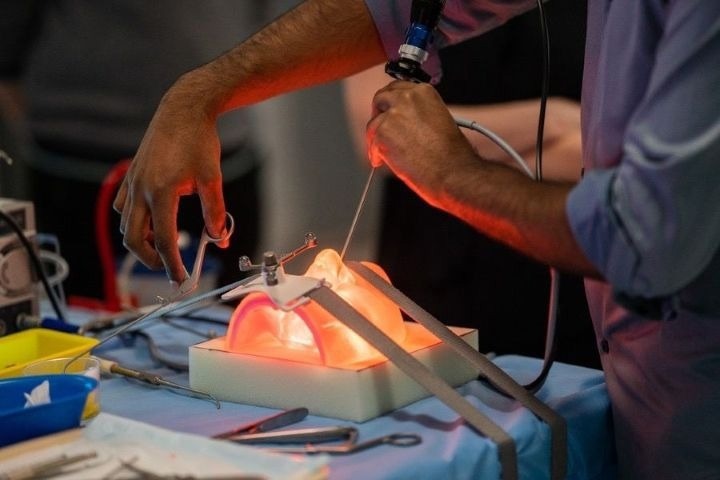 Image Credit: Adelaide University
The 18-month project will develop a new generation of biomimetic dental training models that replicate not only the anatomy of human teeth, jawbone and soft tissue, but also how they respond during surgery.
The models are designed to help clinicians better plan and practice complex procedures such as wisdom tooth removal, improving surgical confidence and ultimately supporting better patient outcomes.
Building on an established collaboration between Fusetec and Adelaide University, the dental project combines world-leading expertise in dental research, biomaterials and advanced manufacturing to accelerate the commercialization of an Australian-made medical training platform.
Fusetec CEO Mark Roe said the project represents an important step in bringing advanced Australian manufacturing innovations into everyday clinical practice.
This collaboration allows us to turn years of research into a commercially viable product with real clinical value, We’re developing dental models that don’t just look like anatomically correct – they respond like real tissue during surgery. That gives clinicians greater confidence when planning procedures while providing a far more realistic training experience.”
Mark Roe, CEO, Fusetec
Ling Yin leads the research in collaboration with the School of Dentistry and Future Industries Institute, said realistic surgical training remained one of the biggest challenges in dentistry.
"Every patient presents differently, yet existing training models cannot accurately replicate the feel and behavior of human dental tissue," Associate Professor Yin said.
"By combining advanced clinical imaging with additive manufacturing, we can create dental models that better mimic real anatomy and help clinicians understand the forces involved in complex tooth removal procedures."
The project will integrate advanced clinical imaging, digital modelling and multi-material additive manufacturing to produce patient-specific, biomimetic dental replicas. Researchers will also develop simulation tools to better understand fracture force thresholds during surgery, supporting safer, more predictable and less invasive clinical practice.
AMCRC Managing Director Simon Marriott said the project demonstrates how industry-led research can create high-value Australian manufacturing opportunities while addressing real healthcare needs.
"The opportunity starts with industry. Fusetec identified a clear clinical challenge and partnered with Adelaide University to develop an advanced manufacturing solution with strong commercial potential," Marriott said.
“Projects like this show how additive manufacturing can help Australian companies develop globally competitive medical technologies that improve healthcare while strengthening sovereign manufacturing capability.”
The project reinforces Australia's growing capability to develop and manufacture advanced medical technologies with export potential, creating new opportunities for Australian innovation in healthcare and additive manufacturing.
 Spermidine boosts key cellular processes linked to aging in early research