Sponsored Content by MerckReviewed by Louis CastelOct 9 2026
Chemistry is undergoing a profound transformation. While many of the fundamental reactions used in laboratories today have existed for decades, the tools available to researchers are changing rapidly.
Advances in electrochemistry, photochemistry, safer reagents, artificial intelligence (AI)-driven catalyst discovery, and targeted protein degradation are expanding what synthetic chemists can achieve while making research safer, faster, and more sustainable.
Together, these developments are reshaping how scientists approach molecular design across pharmaceutical research, materials science, and industrial chemistry. Rather than replacing established synthetic methods, these technologies are creating a more versatile chemistry toolbox capable of addressing increasingly complex scientific challenges.
Electrochemistry returns to the mainstream
Electrochemistry is one of the oldest branches of chemistry, dating back to Michael Faraday's pioneering work in the nineteenth century. Yet after decades of being largely associated with industrial-scale manufacturing, it is experiencing renewed interest as a practical synthetic tool for laboratory research.
Instead of relying on stoichiometric oxidizing or reducing agents, electrochemical reactions use electricity to add or remove electrons from molecules. This enables chemists to precisely control reaction conditions by tuning the applied potential, often achieving transformations that are difficult or impossible using conventional thermal chemistry.
One of electrochemistry's greatest strengths is selectivity. Because only specific functional groups respond to a carefully chosen electrical potential, sensitive molecules can often be modified without affecting the remainder of the structure. This capability has become particularly valuable in pharmaceutical synthesis, where increasingly complex molecules require highly selective reaction pathways.
Electrosynthesis also aligns well with modern sustainability goals. By replacing hazardous oxidants and reductants with electricity, researchers can reduce chemical waste, simplify reaction workflows, and lower energy consumption. The technology is readily scalable and compatible with automation, making it attractive for both early-stage medicinal chemistry and larger-scale manufacturing.
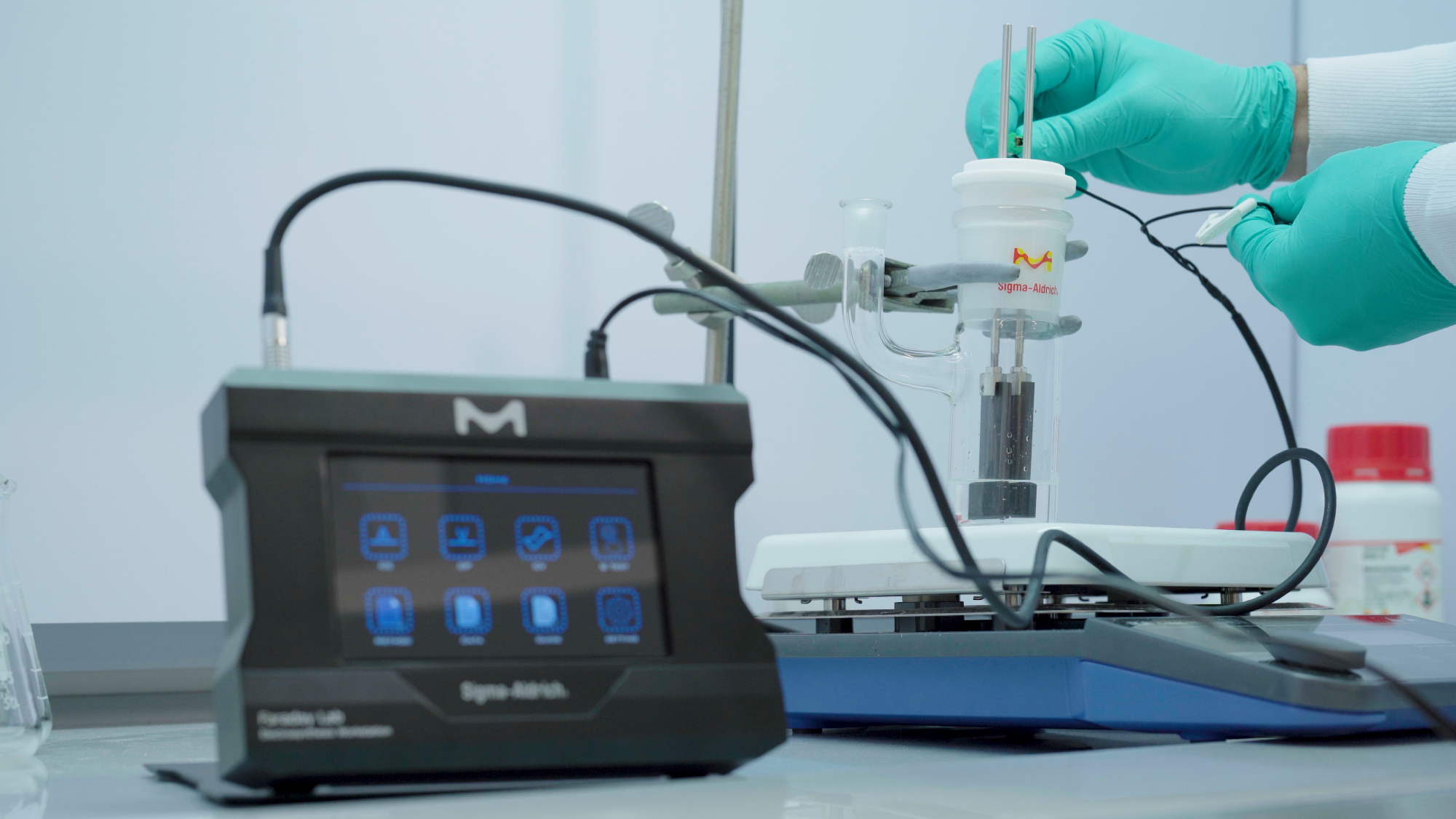
Figure 1: Electrochemical reaction setup with the Faraday Lab electrochemical workstation and Synlectro electrolysis platform. Image Credit: Merck
Photochemistry expands synthetic possibilities
While electrochemistry uses electrical energy to drive reactions, photochemistry harnesses light as the reaction trigger. Advances in LED light sources, reactor design, and photocatalyst development have made photochemical synthesis considerably more accessible than in previous decades.
Modern photochemistry enables highly selective bond activation under relatively mild conditions. Instead of heating an entire reaction mixture, light selectively excites molecules or photocatalysts, opening reaction pathways that are often inaccessible through conventional thermal chemistry.
This expanded reactivity has proven particularly valuable for late-stage functionalization of complex pharmaceutical molecules and for constructing highly functionalized molecular architectures.
The increasing availability of standardized photochemical equipment has also improved reproducibility, allowing more laboratories to integrate light-driven chemistry into routine synthetic workflows while expanding opportunities for reaction discovery and optimization.
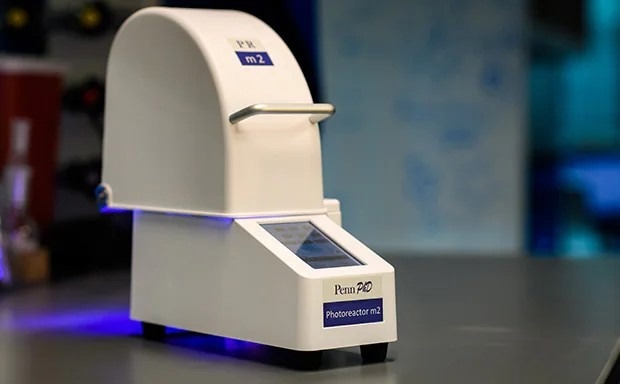
Figure 2: PennPhd photoreactor for light-driven synthetic transformations. Image Credit: Merck
Improving laboratory safety with non-pyrophoric organolithium reagents
Organolithium reagents remain indispensable in synthetic chemistry, but traditional formulations of tert-butyllithium (t-BuLi) and n-butyllithium (n-BuLi) present significant handling hazards because they ignite spontaneously when exposed to air or moisture.
Recent developments have addressed this long-standing challenge through new non-pyrophoric formulations. Rather than using conventional hydrocarbon solvents, these reagents are formulated in poly-α-olefin (PAO)-based systems that greatly reduce ignition risk while preserving the chemical reactivity that synthetic chemists rely upon.
Testing has demonstrated that these safer formulations maintain performance across numerous reaction classes, including C-H lithiation, nucleophilic substitution, halogen exchange, and addition reactions. Importantly, they remain compatible with familiar lithiation additives such as potassium tert-butoxide and TMEDA, allowing laboratories to adopt safer handling practices without substantially changing established synthetic protocols.
This represents an important step toward improving laboratory safety while maintaining the versatility that has made organolithium chemistry indispensable for both academic and industrial research.
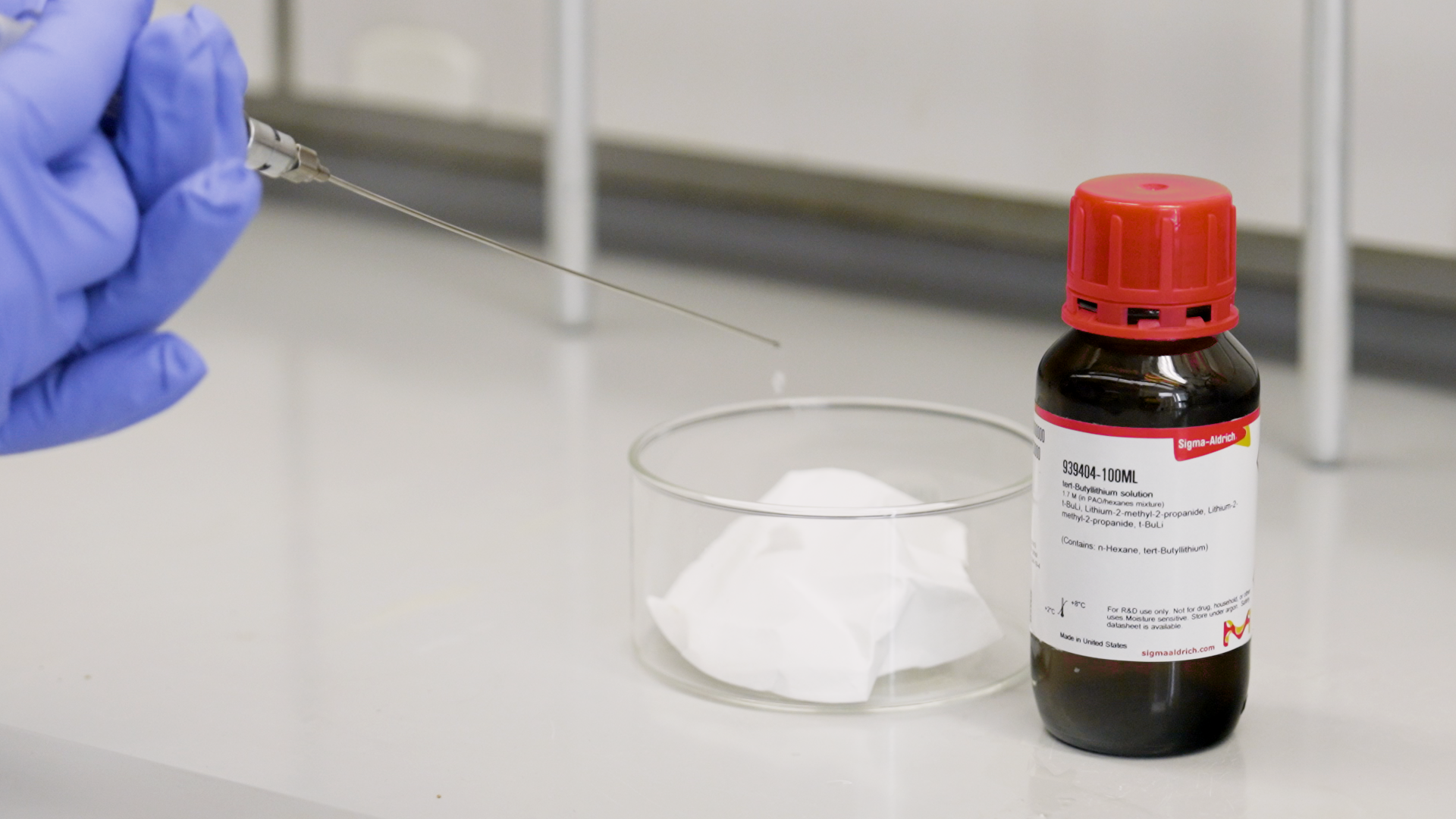
Figure 3: Demonstration of the non-pyrophoric behavior of an organolithium reagent when dispensed onto tissue paper without ignition. Image Credit: Merck
Artificial intelligence accelerates catalyst discovery
Catalysts underpin many of the most important reactions in chemistry, yet identifying optimal catalyst systems has traditionally required extensive experimental screening.
AI is helping transform this process. Modern catalyst screening platforms combine high-throughput experimentation with machine learning algorithms that rapidly analyze reaction outcomes, identify promising trends, and recommend subsequent experiments.
Rather than replacing experimental chemistry, AI enables researchers to explore much larger chemical spaces than would be practical using manual trial-and-error approaches. By prioritizing the most informative experiments, these digital platforms can reduce development timelines while increasing the likelihood of discovering highly efficient catalytic systems.
As these computational tools become increasingly integrated with automated laboratory workflows, they promise to significantly accelerate reaction optimization across pharmaceutical, fine chemical, and materials research.

Figure 4: AI-powered Catalexis software for reaction optimization. Image Credit: Merck
Simplifying PROTAC development
Targeted protein degradation has emerged as one of the most exciting areas of modern drug discovery. Instead of simply inhibiting disease-associated proteins, PROTACs (proteolysis-targeting chimeras) recruit the cell's natural protein degradation machinery to selectively eliminate target proteins.
Despite their therapeutic potential, PROTAC synthesis has often been technically demanding because each molecule requires careful assembly from multiple functional components.
Purpose-designed synthesis kits are helping lower this barrier by providing validated building blocks and standardized workflows that simplify molecule construction. This allows medicinal chemists to evaluate larger numbers of candidate degraders more efficiently, accelerating structure-activity relationship studies and early drug discovery programs.
By reducing synthetic complexity, these tools allow researchers to focus more attention on biological questions while expanding access to targeted protein degradation technologies across a wider range of laboratories.
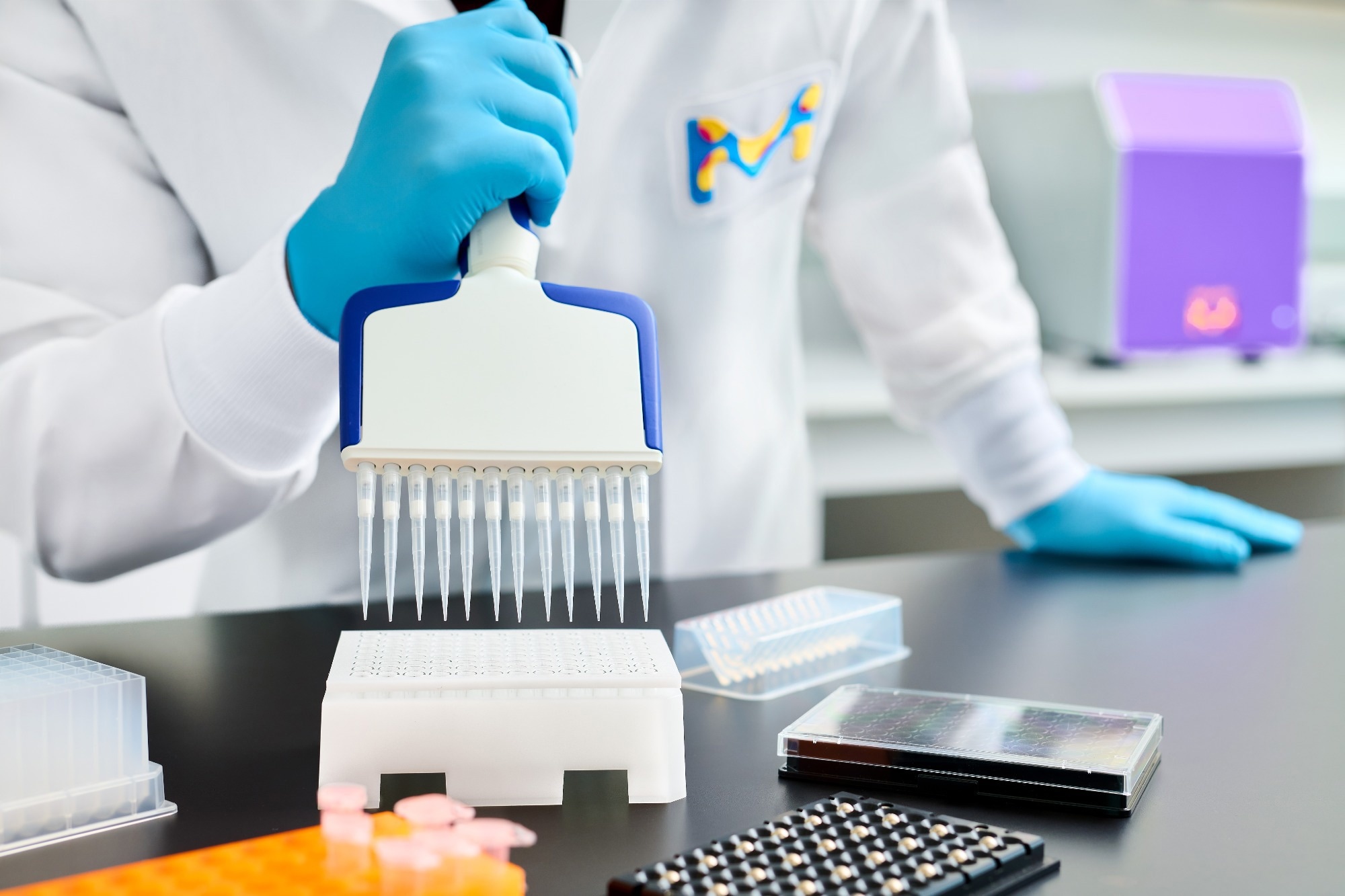
Figure 5: QuicTPD™ screening kit for high-throughput PROTAC development. Image Credit: Merck
Building an integrated chemistry toolbox
Although electrochemistry, photochemistry, safer reagents, AI-driven catalyst discovery, and PROTAC synthesis represent distinct technological advances, they share a common objective: expanding the capabilities of modern chemistry.
Increasingly, researchers are combining these approaches within integrated workflows. AI platforms can help optimize electrochemical or photochemical reactions, while safer reagents reduce operational risk during synthesis. Standardized synthesis tools enable faster preparation of complex molecules for biological evaluation, shortening the path from molecular concept to experimental validation.
Rather than relying on a single breakthrough technology, modern chemistry is progressing through the convergence of multiple complementary innovations.
The future of chemistry
As molecular targets become increasingly sophisticated, chemists require tools that offer greater precision, flexibility, and efficiency than ever before.
Electrochemistry provides sustainable reaction control. Photochemistry unlocks new reaction pathways. Safer reagent formulations improve laboratory practice. Artificial intelligence accelerates optimization. Targeted protein degradation is redefining therapeutic discovery.
Together, these advances demonstrate that the future of chemistry is not driven by one technology alone, but by the integration of complementary innovations that enable researchers to solve increasingly complex scientific problems more safely, efficiently, and sustainably.
About Merck

Our pursuit is progress for people everywhere. That's why we take a closer look at things, ask questions, and think ahead.
We've been around for more than 350 years, yet our majority owners are still the descendants of Friedrich Jacob Merck, the man who founded our company in Darmstadt, Germany in 1668.
From advancing gene-editing technologies and discovering unique ways to treat the most challenging diseases to enabling the intelligence of devices – the company is everywhere.
We are Merck. The only exceptions are the United States and Canada. Here we operate as EMD Serono in the Biopharma business, as MilliporeSigma in the Life Science business, and as EMD Performance Materials in the materials business.
Our life science business
We provide infinite solutions to solve the toughest problems in life science in collaboration with the global scientific community. Our tools, services, and digital platforms empower scientists and engineers at every stage, helping deliver breakthrough therapies more quickly.
Focus areas
With our three business units, we are a leading worldwide supplier of tools, high-grade chemicals, and equipment for academic labs, biotech, and biopharmaceutical manufacturers, as well as the industrial sector.
- Research Solutions provides our academic customers with the chemicals and tools needed to make scientific discovery easier and faster.
- Process Solutions provides drug manufacturers with process development expertise and technologies, such as continuous bioprocessing.
- Applied Solutions offers both testing kits and services to ensure that our food is safe to eat and our water is clean to drink.
Sponsored Content Policy: News-Medical.net publishes articles and related content that may be derived from sources where we have existing commercial relationships, provided such content adds value to the core editorial ethos of News-Medical.net, which is to educate and inform site visitors interested in medical research, science, medical devices and treatments.